
Collared bears, walk-in hunting and LQP geese

August 22, 2011 at 12:54AM
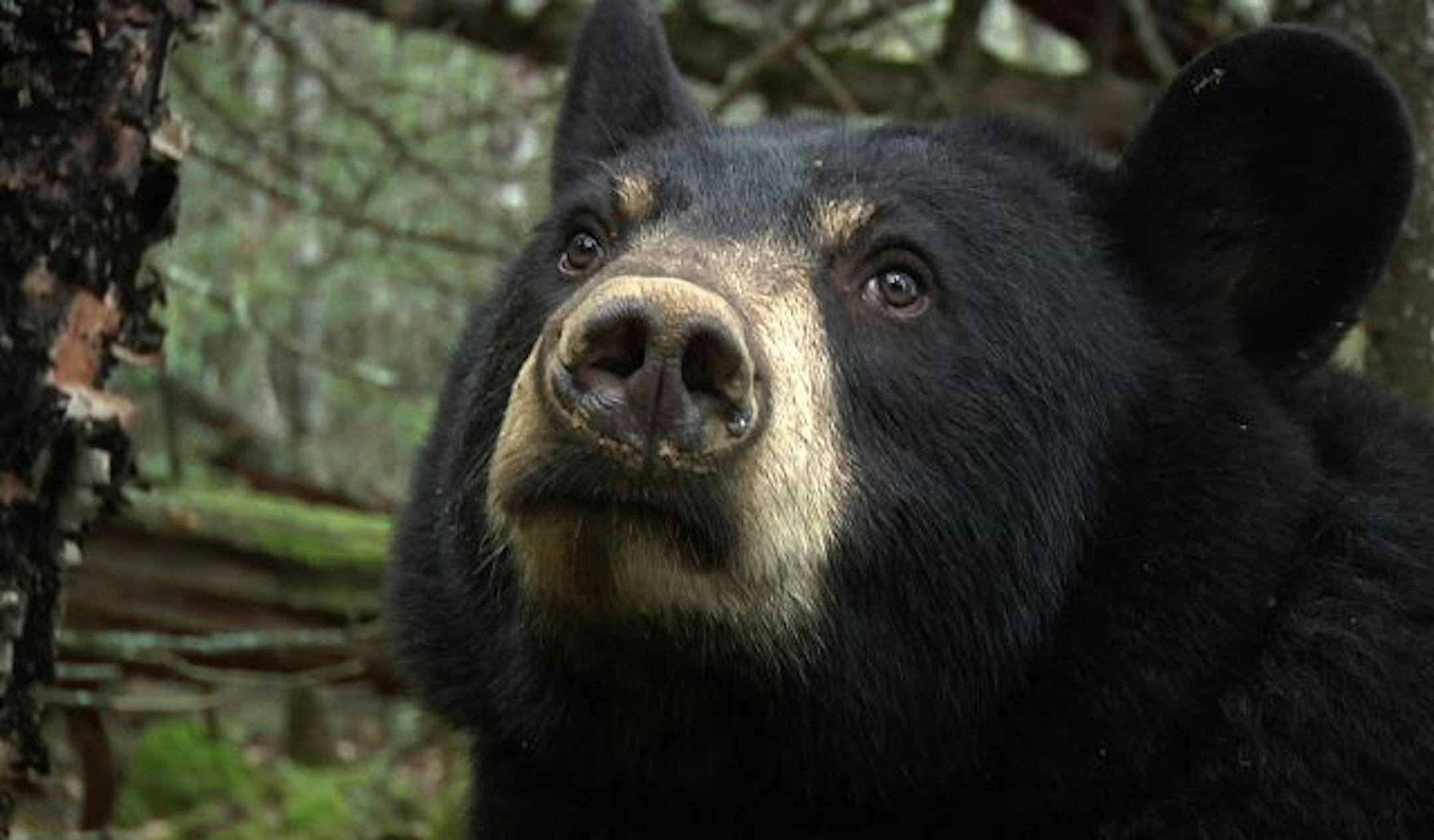
Black bear
Black bear (Associated Press/The Minnesota Star Tribune)

Minnesota's bear hunting season opens Sept. 1, and officials again are asking hunters to avoid shooting radio-collared research bears.

But again it's not illegal to shoot one, either intentionally or accidentally.

Last year, the killing of a radio-collared bear near Ely, Minn., sparked outrage and anti-hunting sentiment, even though the animal was legally taken during the bear hunting season.

And Department of Natural Resources Commissioner Tom Landwehr riled some bear supporters when he decided against banning hunters from shooting research bears, even those with radio collars and brightly colored ribbons.

The Legislature also considered taking some action but eventually opted not to.

At least four radio-collared bears were killed by hunters last year, two collared by the DNR and two collared by Ely bear researcher Lynn Rogers.

This year, the DNR is monitoring about 35 radio-collared black bears, most of them in northwestern Minnesota, especially near Thief Lake Wildlife Management Area and the Agassiz National Wildlife Refuge. Additional radio-collared bears reside in and around the Chippewa National Forest, Camp Ripley, Cloquet Forestry Station and Voyageurs National Park.

And Rogers has collared bears between Ely and Tower near the Eagles Nest chain of lakes in northern St. Louis County.

"Hunters near these areas should be especially vigilant for these valuable research bears," said Dave Garshelis, DNR bear research biologist. "These animals provide long-term data on reproduction and habitat use that is invaluable for bear management across the state."

"We're asking that if hunters see ear tags or a collar on a bear, they refrain from shooting it," Garshelis said. "Researchers have invested an enormous amount of time and expense in these individuals."

Many of the collars have global positioning units that collect and store data, which is downloaded by DNR researchers when they visit the bears in their dens. Long-term records of individual bears have been the cornerstone of information that helps the DNR monitor and manage the bear population, Garshelis said.

Officials realize a hunter may not be able to see a radio collar or ear tags in some situations. That's why killing a bear with a radio collar is legal unless the bear is accompanied by a researcher who has identified the bear to the hunter as a research animal.

Any hunters who do shoot collared bears should call the DNR Wildlife Research office in Grand Rapids at 218-327-4146 or 218-327-4133.

The bear season runs through Oct. 16. Photos of some collared research bears are available on the DNR website at mndnr.gov/bear.

Walk-in program hits 9,751 acresA surge in last-minute signups has boosted the amount of land enrolled in Minnesota's new walk-in hunting program to 9,751 acres.

That means the DNR came within a whisker of getting the 10,000 acres it had hoped to have enrolled for the first year of the three-year pilot program, which pays landowners to provide public hunting access.

"We'll start putting signs up Monday," said Marthbeth Block, walk-in coordinator. Hunters can't access the lands until the signs are up, she said. That won't be done by Sept. 1, the mourning dove season opener.

"We're shooting to have them all signed by the waterfowl opener," Block said. The lands are in 21 counties of southwestern Minnesota.

She said the program has been well received by landowners.

The DNR wants to enroll 25,000 acres by 2012 and 50,000 acres by 2013. Only walk-in hunting traffic is allowed on enrolled acres, which are not open to trapping, trap shooting, dog training or activities other than hunting. No vehicle traffic is allowed. Parking is along roads or in designated parking areas.

Lac qui Parle huntGoose hunters can apply, beginning Monday, to reserve a blind in the controlled zone at the Lac qui Parle Wildlife Management Area. Applications postmarked between Aug. 22 and Sept. 14, will be processed on a first-come, first-served basis. Reservations to hunt in the controlled zone only will be accepted for hunting dates from Oct. 20 to Nov. 30.

To apply, hunters must submit a standard 31/2-inch by 51/2-inch postcard with their full name and address. They also must list their first and second choice of hunting dates. The limit is one postcard per hunter. Send postcards to: Controlled Hunt, Lac qui Parle Wildlife Management Area, 14047 20th St. NW, Watson, MN, 56295.

Successful applicants will receive notification by mail designating the date of their hunt. Hunters may bring one or two guests. All hunters in the Lac qui Parle controlled hunting zone who are 18 and older will be charged a $3 fee on the day of their hunt, to partially cover controlled hunt expenses.

The DNR will assign goose-hunting stations during a drawing on the morning of the hunt.

The regular Canada goose season will be 85 days at Lac qui Parle starting Sept. 24, and follow the same split season closures as the regular waterfowl season. Before Oct. 20, the Lac qui Parle State Game Refuge will be closed to waterfowl hunting. From Thursday, Dec. 1, until the end of the goose season, hunters still can use designated hunting blinds, but access will be on a first-come, first-served basis.

For more information, call the Lac qui Parle headquarters at 320-734-4451.

about the writer

about the writer

DOUG SMITH, Star Tribune