

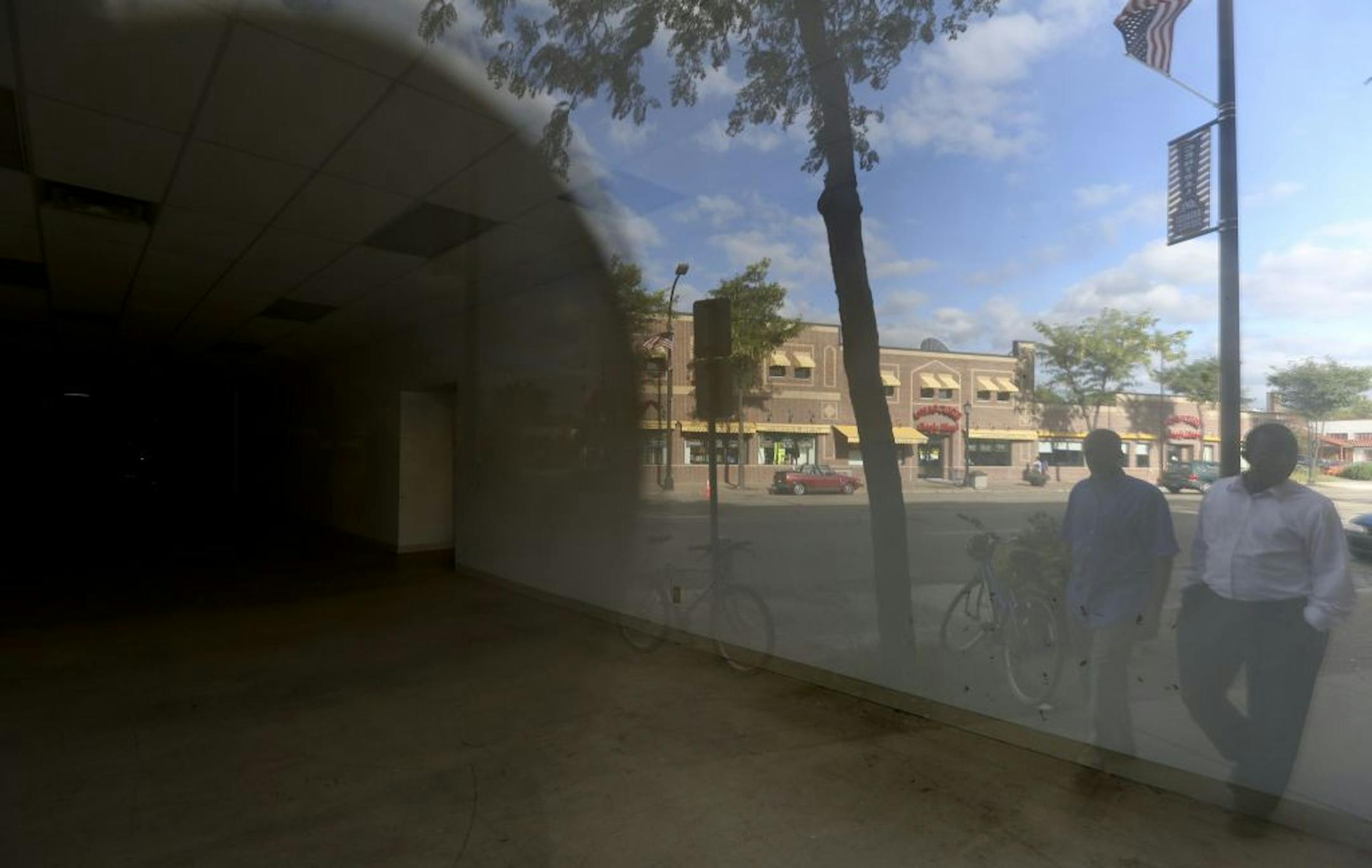
The intersection of Central and Lowry in northeast Minneapolis also marks a crossroads of past and present.
There's the bowling supply store in the front of the three-story aluminum-clad Masonic hall, trophies shining in the window. Next door at Two Amigos Bazar, you can dispatch money to Latin America or buy Latino tunes. One storefront down, there's Sen Yai Sen Lek, a family-owned place where you can sit down or take out a bowl of spicy Thai noodles.
Up and down Central, Northeast's commercial artery has remained an immigrant-dominated marketplace, even as ethnicities change and the taste for kielbasa gives way to the smell of fresh pita or halal meats. Yet as a number of storefronts have gone vacant, neighbors are banding together in a unique effort to keep the avenue vibrant.
The leaders of the fledgling Northeast Investment Cooperative plan to pool the capital of Northeasters, leverage it with bank or other co-op financing, buy and rehab some of the avenue's most shopworn storefronts and populate them with promising entrepreneurs as tenants and potential future owners.
This pooling of capital through a co-op toward community development is an idea pioneered on the plains of Alberta to reinvigorate the business community of a flagging hamlet and tried only once elsewhere in the United States, for recycling battered housing in Milwaukee.
The Northeasters' sales pitch so far has attracted 52 people who have committed $1,000 each for a share of the co-op, but it's also unfamiliar enough that lenders are likely to be cautious in supplementing that with loans.
"There's no track record for this model," said Kevin Edberg, executive director of the nonprofit Cooperative Development Services, which is assisting the co-op with business planning.
The avenue saw its heyday in the first half of the 20th century, when grocery stores, clothing stores, cafes and other businesses thrived along major streetcar lines. But suburban growth after World War II took its toll.


