

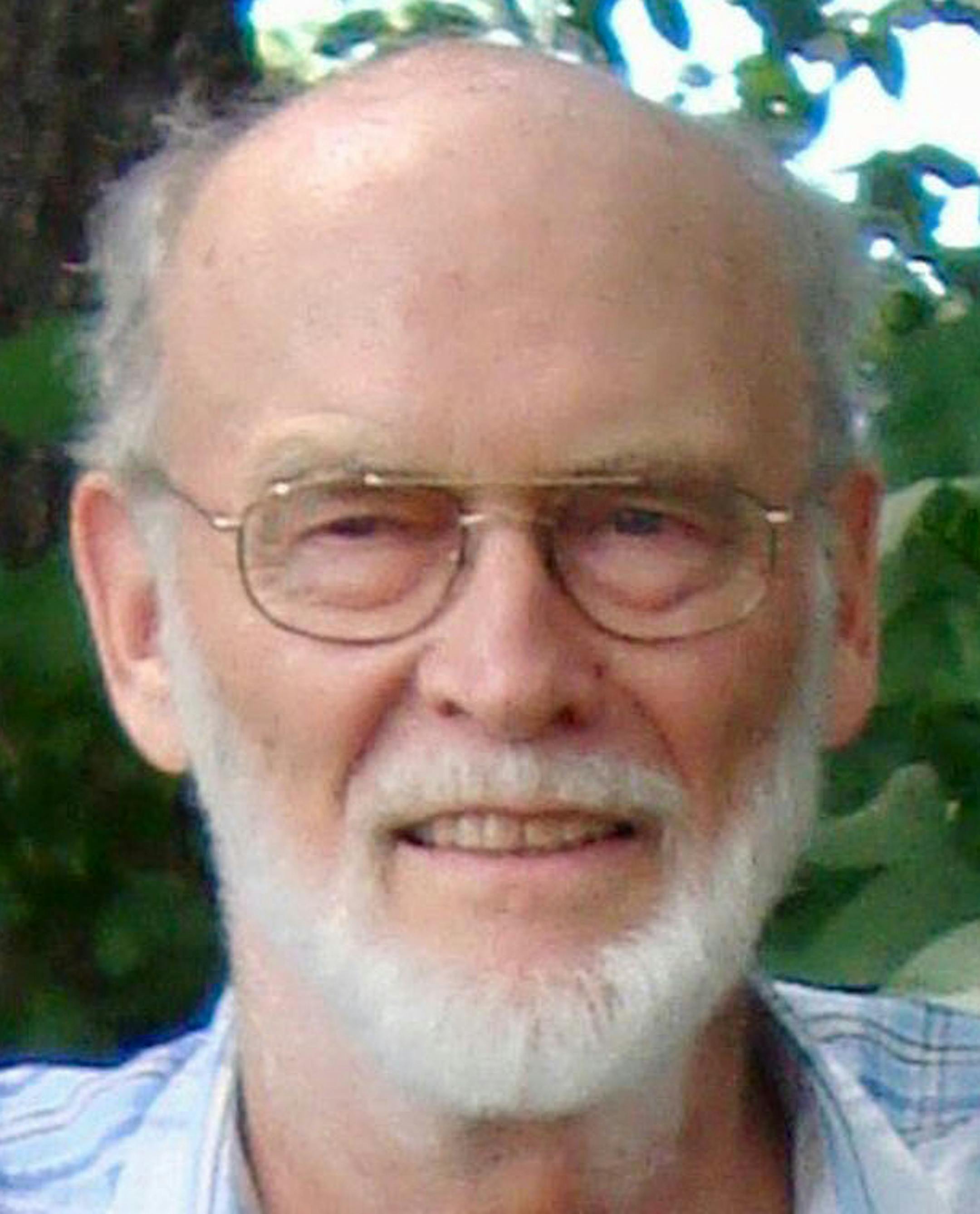
Len Anderson grew up on a hardscrabble Swedish farmstead near Aitkin where he harvested wild rice, hunted waterfowl and grew to appreciate the surrounding wetlands.
While a biology teacher at Cloquet High School, he inspired thousands of students, started a water-quality testing program called River Watch and was a mentor to many.
And when he and his wife moved to a wooded 100 acres on the Fond du Lac reservation near Cloquet, they raised horses, cows, pigs and goats. He built an earth-sheltered house in a sugar bush and taught their three kids to appreciate the rhythms of nature and mysteries of life.
So when Anderson caught wind of a plan to build a coal-fired power plant on the wild banks of the nearby St. Louis River, he was horrified by the prospect of what the emissions might do to the plants and animals in the surrounding watershed. By researching laws and science related to the matter, he made the case that it was the wrong place for a power plant and helped thwart its construction.
Later, when the power company decided to divest itself of some of its land holdings, he helped lead an effort to get the state to buy that land, permanently protecting 26,000 acres and a stretch of the St. Louis River from all forms of development.
Anderson lived for two decades with a rare bone marrow and blood disease called myelodysplastic syndrome. He died on July 22 at age 77.
Leonard "Len" Anderson was born May 13, 1940, in St. Paul and was raised near rural Aitkin in an unincorporated town called Glory. After graduating from Aitkin High School in 1958, he was a reservist in the U.S. Coast Guard. Anderson met and married Bethel Cottrell in St. Paul, got a undergraduate degree from Bethel College and a master's degree in degree in freshwater and terrestrial biology from St. Mary's University in Winona. He taught briefly at Sibley High School in West St. Paul, at the Berlin American High School in West Germany, and in the late 1960s, he became a science teacher at Cloquet High School. After he retired in 1998, Anderson taught part-time at the Fond du Lac Tribal and Community College.
His brother-in-law Joel Roberts said that Anderson was expert at helping educate anyone who would listen about the perils of pollution. "He got a lot of us more actively involved," Roberts said.


