

Eating meat is bad for the planet, right? That hamburger you're contemplating for lunch comes from a cow that, most likely, was raised within the industrial agriculture system. Which means it was fed huge amounts of corn.
Cows are less efficient than chickens or pigs at converting corn (or other feed) into body weight. The industrial agriculture system employs 55 calories of fossil-fuel energy to produce one calorie of beef. Meanwhile, livestock production is responsible for much of the carbon footprint of global agriculture, which accounts for at least 25 percent of humanity's annual greenhouse gas emissions.
Despite this, agriculture is invariably overlooked in climate policy discussions. In his 50-minute speech on climate change last week, President Obama did not even mention agriculture except for a reference to how farmers will have to adapt to more extreme weather.
No one has been more influential in popularizing the environmental critique of industrial agriculture than Michael Pollan. His 2006 bestseller, "The Omnivore's Dilemma," revealed how corporate profits, misguided government policies and an emphasis on convenience have given Americans food that is cheap but alarmingly unhealthy for those who eat it, not to mention for the soil, air and water relied upon to produce it.
These days, however, Pollan is delivering a deeper yet more upbeat message, one he shared in an interview while promoting his new book, "Cooked: A Natural History of Transformation." Now, Pollan is suggesting radical new ways to make agriculture work for both people and the planet.
"Technology" is central to Pollan's vision, but why call even seemingly old-school methods "technology"? Because, Pollan says, "technology has so much glamour in our culture, and people only want to pay for technology."
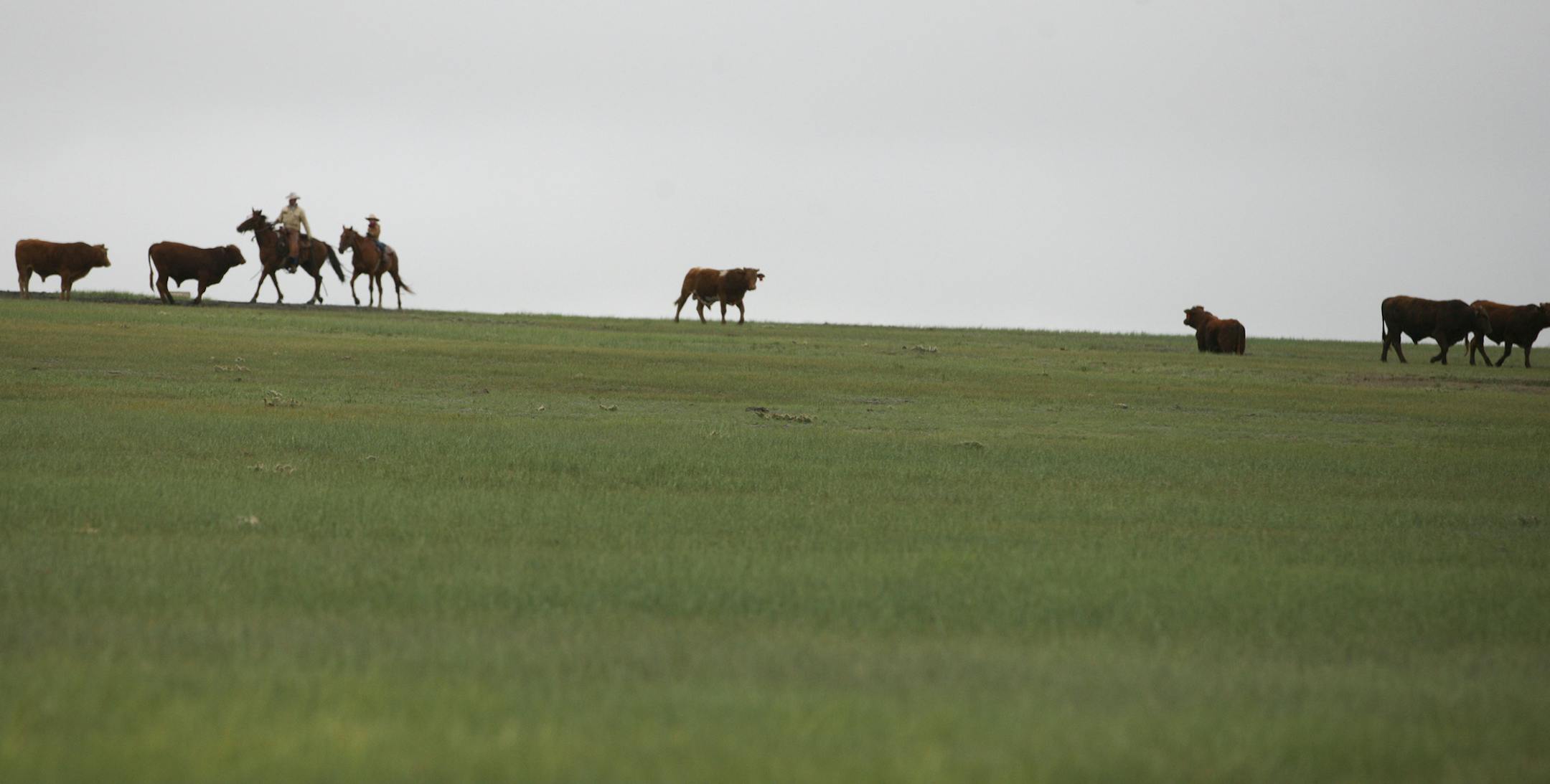
With the right kind of technology, Pollan believes, eating meat can actually be good for the planet. That's right: Raising livestock, if done properly, can reduce global warming. That's just one element of a paradigm shift that Pollan and other experts are promoting. They believe that new agricultural methods wouldn't just reduce the volume of heat-trapping gases emitted by our civilization — they would also draw down the total amount of those gases that are already in the atmosphere.
"Depending on how you farm, your farm is either sequestering or releasing carbon," says Pollan. Currently, the vast majority of farms, in the United States and around the world, are releasing carbon — mainly through fertilizer and fossil-fuel applications but also by plowing before planting. "As soon as you plow, you're releasing carbon," Pollan says, because exposing soil allows the carbon stored there to escape into the atmosphere.


