

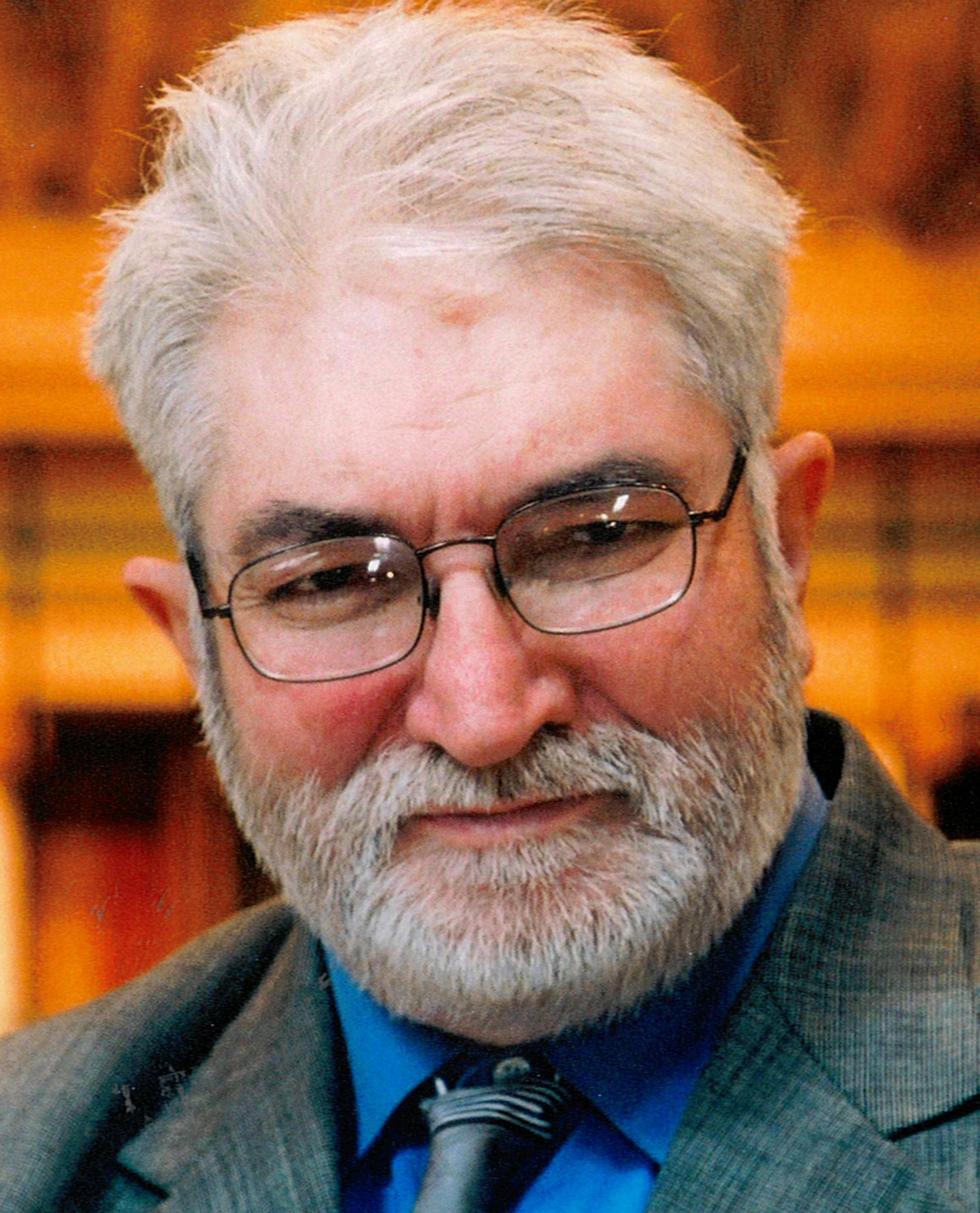
Decades before the word "retarded" was widely considered an offensive term, 23-year-old Clifford Poetz urged federal lawmakers to stop using the label he felt was misleading, restrictive and dehumanizing to people with developmental disabilities like himself.
"It must have taken incredible courage to stand up to such prejudice and discrimination to become one of the very earliest and most effective self-advocates for rights, dignity and opportunity for individuals with developmental disabilities," Poetz's longtime friend Charlie Lakin said.
Poetz, a lifelong champion and pioneer for Minnesotans with disabilities, died March 25 at age 71.
A 1972 Minneapolis Tribune article about young Poetz, who had cerebral palsy, bears the headline: "Retarded wish society would learn faster." The story, which describes Poetz's desire to see more handicapped people involved in conversations about their rights and well-being, caught the attention of U.S. Sen. Edward Kennedy.
A telegram arrived asking Poetz to travel from Minneapolis to Washington, D.C., to speak at a hearing on the Developmental Disabilities Assistance and Bill of Rights Act in early 1973. He was the first person with a developmental disability to testify before a congressional subcommittee.
"Nothing got in his way. He was going to make a difference," Larry Poetz said of his younger brother. "It's kind of ironic that out of our family's five kids, he was the one with the disability and he accomplished the most."
Poetz grew up in St. Bonifacius, Minn., and Watertown, Minn., and at age 21 moved to Minneapolis to live in a congregate care residence.
He quickly helped form a group that traveled around the Midwest sharing personal stories and advocating for more agency for people with disabilities, touching on issues such as jobs, wages, marriage and housing.


