![Brian Kelbing, who is resident manager of the Park Village Mobile Home Park with his wife, accesses damage to their garage, totally destroyed by a tornado that tore through the Park Village Mobile Home Park in Litchfield around 5 p.m. the night before. His home, which also serves as the mobile home park office, was minimally damaged. ] (Leila Navidi/Star Tribune) leila.navidi@startribune.com BACKGROUND INFORMATION: The aftermath, seen on Tuesday, July 12, 2016, of four tornadoes that touched dow](https://arc.stimg.co/startribunemedia/FTIZ247BKNCWNHXJ5UVTYK6H2I.jpg?&w=1080)
Summer is over, but the cleanup from this summer's storms goes on.
Week after week, storm after storm, the state was walloped by tornadoes, floods, high winds and torrential rains. As damage estimates roll in from communities across Minnesota, the state has steered millions of dollars to communities with washed-out roads, battered public infrastructure and big repair bills.
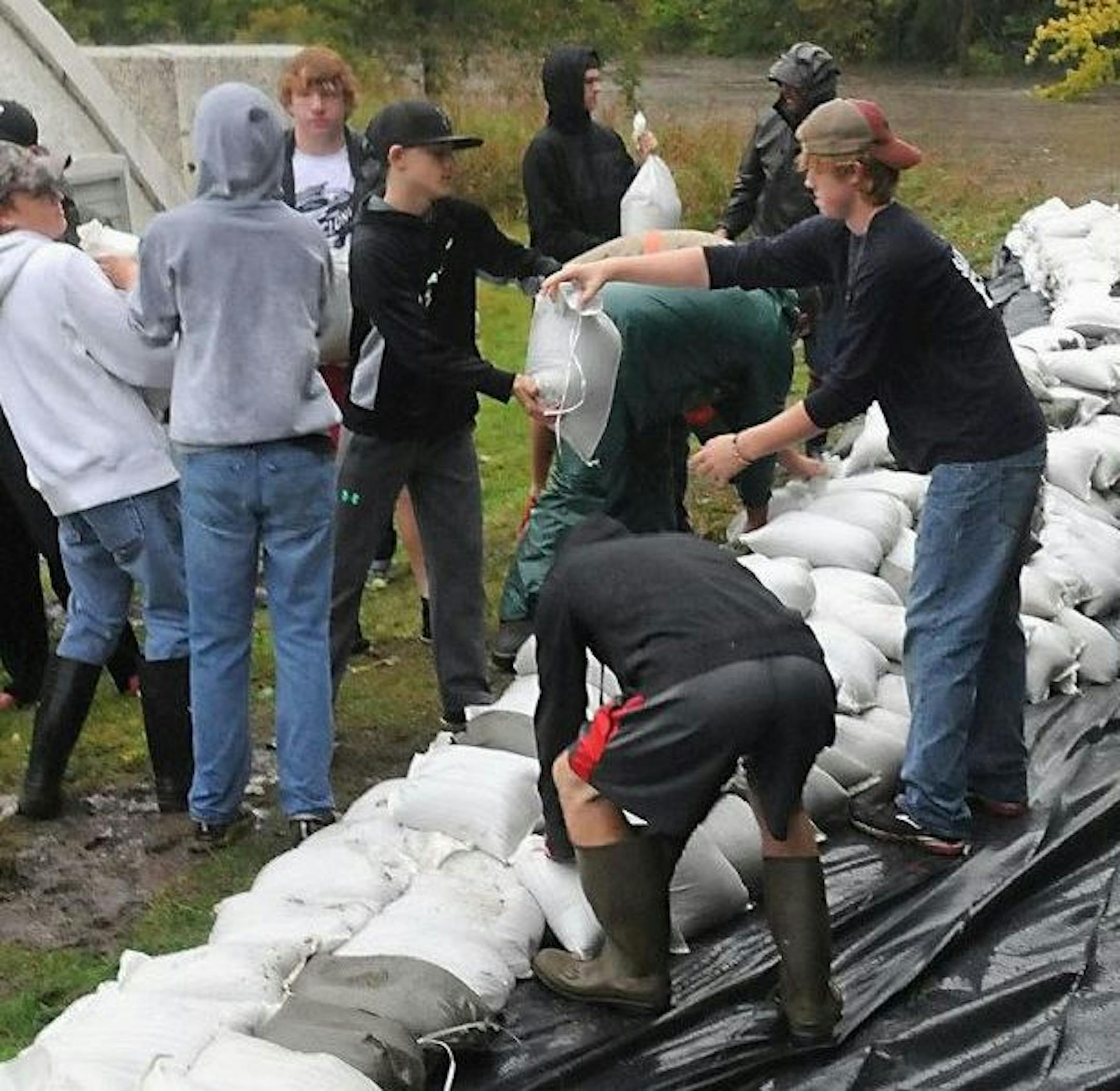
In Waseca, where September flash floods washed out county roads, submerged cars, swamped basements and left the city ice rink soaking in half a foot of water, damage assessment teams were out last week with inspectors from the Federal Emergency Management Agency, trying to determine whether the damage was grounds for a federal disaster declaration, and the federal aid that comes with it. They found residents struggling to repair furnaces and water heaters in their flooded basements, with winter approaching.
"We met people who have to make a choice between [repairing] a water heater or the furnace," said Waseca City Manager Danny Lenz, who expects the storm damage to run to millions of dollars for the community and its residents. "We don't want a flood crisis to turn into a public health crisis."
Already, Minnesota has steered an estimated $9.75 million from its disaster contingency account to help 22 counties and five tribal nations recover from this summer's monster storms. Four more counties and another tribe have requested state aid for more recent storms.
Minnesota Homeland Security and Emergency Management has teamed up with FEMA to assess 10 counties swamped by torrential rains in September. The damage from those storms was so severe, the region could qualify for federal disaster assistance. Blue Earth, Fillmore, Freeborn, Goodhue, Houston, Le Sueur, Rice, Sibley, Steele and Waseca are all in line for possible federal disaster aid.
Elsewhere in the state, the cleanup continues long after the skies clear.
The 960 residents of Watkins have cleared away most of the debris from the tornadoes that tore through their town and neighboring Litchfield in mid-July. But residents are still rushing to repair their damaged homes and businesses before the snow flies. City Clerk Deb Kramer said the community suffered at least $80,000 in damage to its public infrastructure, including roads torn up by the heavy trucks that moved in to help clear downed trees and other storm damage.