

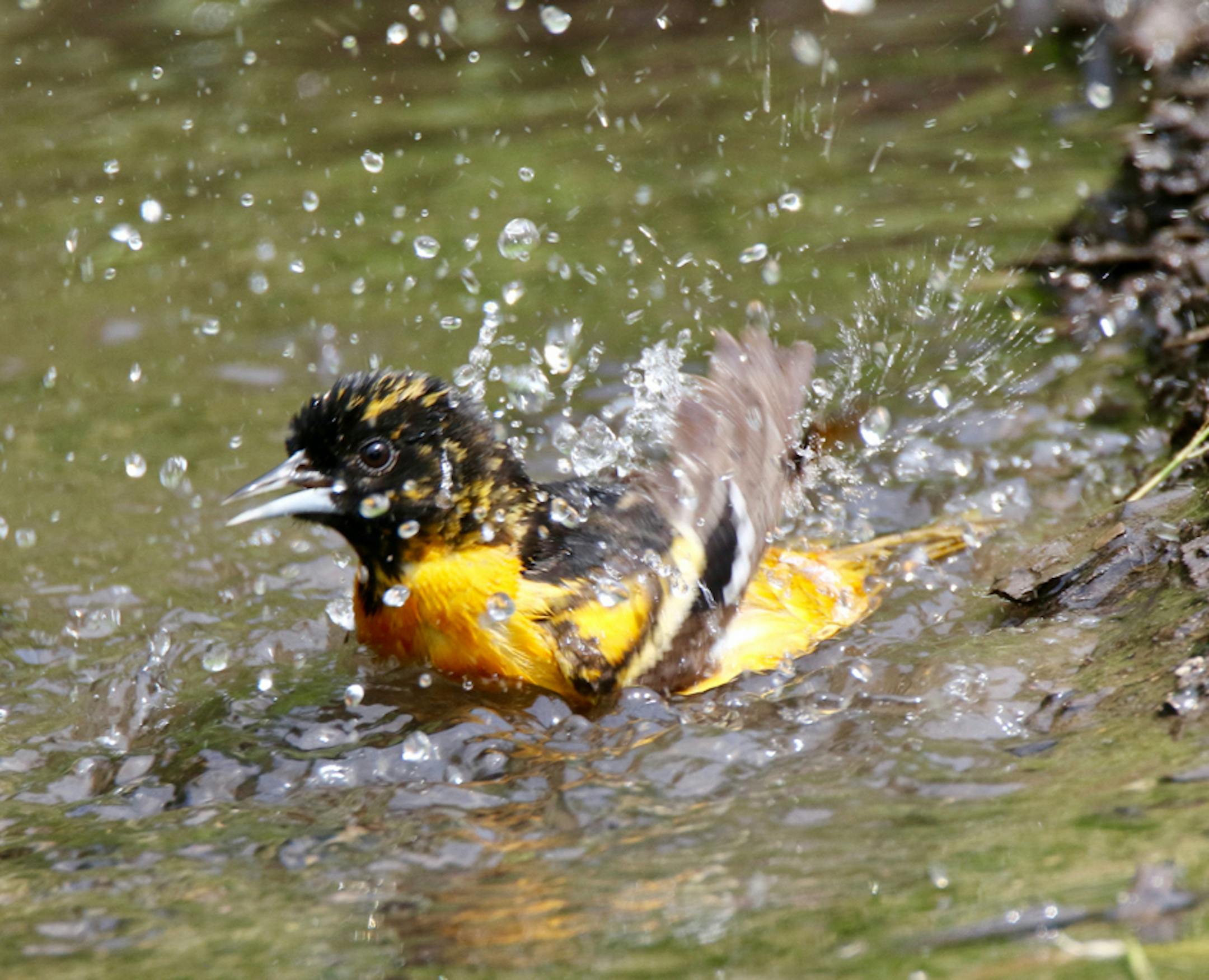
Some people have the mistaken idea that birds are dirty, vermin-ridden creatures, a view that's very wide of the mark. I can't quite fathom where this odd notion comes from, unless it's based on the fact that birds spend their lives in the outdoors.
The truth is that birds are highly groomed, taking top marks for personal hygiene in the animal kingdom. They work very hard on self-maintenance and it could be said that unless illness or injury impairs their ability to preen, birds are just about as clean as cats.
This isn't a matter of personal preference: Birds keep their feathers and beaks in good condition because doing so can make the difference between life and death. They're hard-wired to spend time grooming feathers and honing beaks on a daily basis, and they do so several times each day.
Feathers are a miraculous body covering, keeping rain out and warmth in, protecting from sunlight and most parasites, and are the key to the ability to fly. But they require steady work to comb, straighten and zip each feather's tiny structures together.
If you've watched a bird sitting on a branch after visiting your birdbath, you've seen how time-consuming this can be. An individual wing feather may have 1 million tiny, interlocking elements, and all must be realigned on a regular basis. Run a finger along a dropped feather's vane and microscopic hooks detach from each other, making the feather ragged. Run your fingers back up and the hooks re-engage and smooth out. This is what a bird is doing as it pulls each feather through its beak, closing any gaps that might interfere with flight or weatherproofing.
As part of this grooming process, they nibble or pluck any dirt away and pull out any parasites they find. In warmer weather, many birds will "sunbathe" on the ground, with wings outstretched. This seems to cause any parasites to move around, making it easier for a bird to pluck them out.
"External parasites are a natural occurrence in wild birds, hence they spend a good amount of time preening their feathers," says Leslie Reed, senior veterinarian and director of veterinary education at the Wildlife Rehabilitation Center of Minnesota in Roseville.
Most birds finish a preening session by using their beak to remove waxy oil from a preen gland near the tail and spread it on their feathers. This keeps feathers flexible and may prevent the growth of harmful bacteria and fungi.

