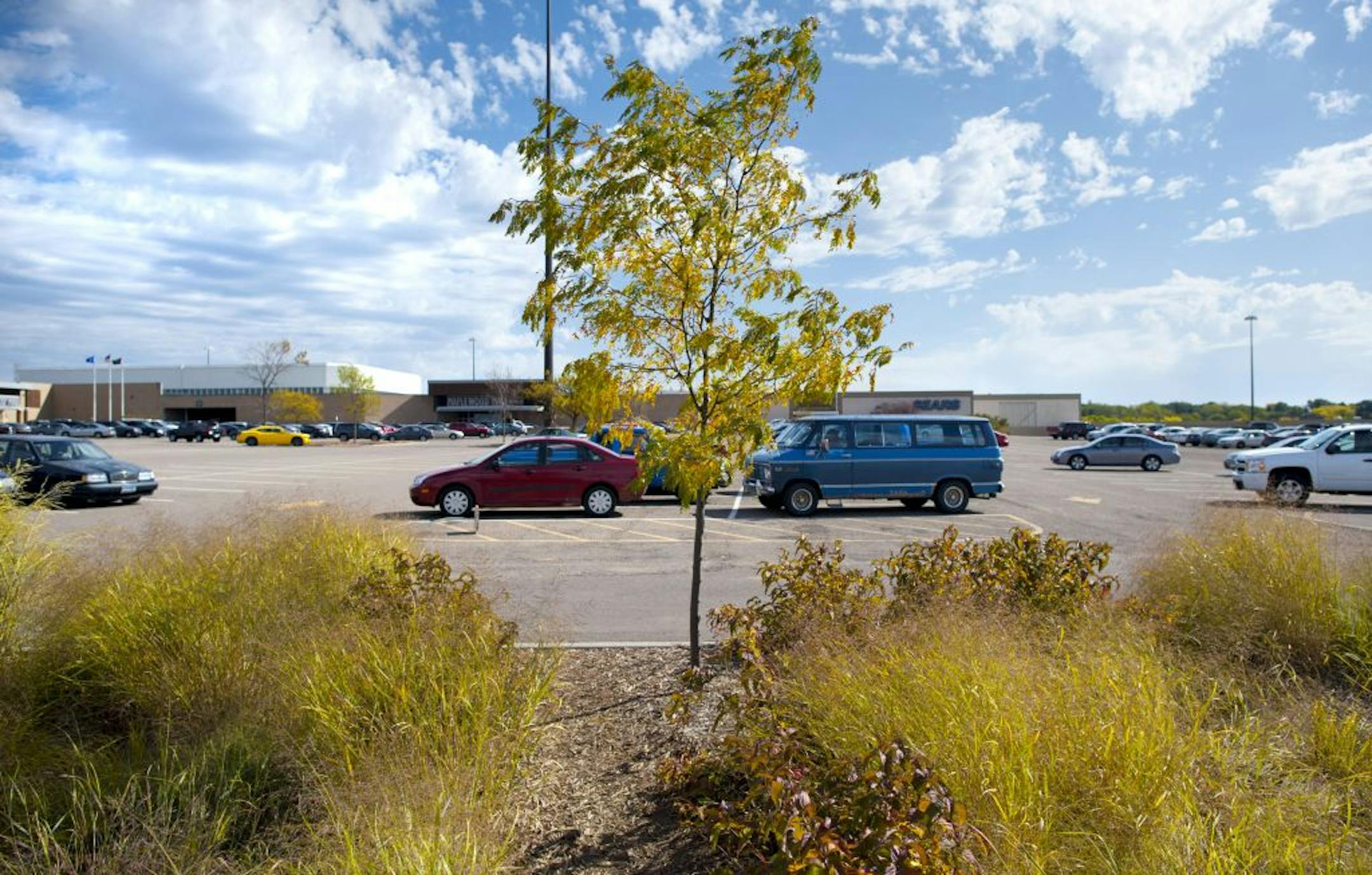
When pollution control officials realized that minerals were seeping into Maplewood's Kohlman Lake, it wasn't difficult to figure out why: the parking lots nearby were laden with phosphorus and sediment.
Whenever it rained, the minerals washed off the impervious surfaces into storm sewers, through Kohlman Creek and into the 74-acre lake. The phosphorus caused it to turn green with algae, and the Minnesota Pollution Control Agency deemed Kohlman Lake impaired.
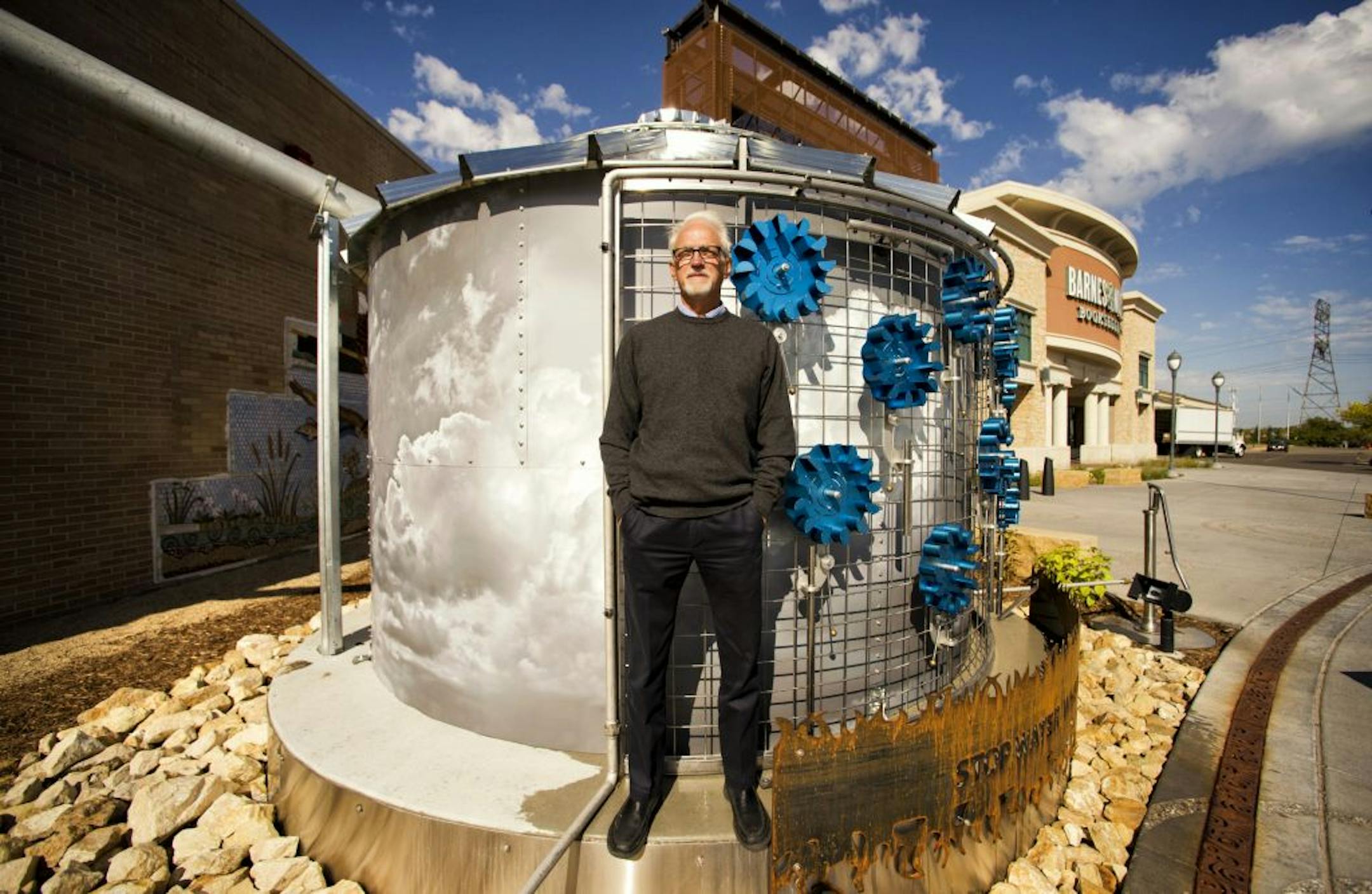
By far, the 70-acre Maplewood Mall lot posed a major problem. But it also presented an opportunity. Planners with the Ramsey-Washington Metro Watershed District saw it as a chance to demonstrate how a state-of-the-art retrofitting with tree trenches, rain gardens, porous pavements and other kinds of low-impact storm-water management techniques could transform a commercial parking lot into an environmental asset.
At a ribbon-cutting for the $3 million project last weekend, Cliff Aichinger, the watershed district's administrator, said the effort is being touted as a national model for shopping centers and other commercial buildings as a way to help improve water quality for the public and to score environmental points with tenants and customers.
"The mix of features it has -- especially the tree trenches, which are fairly new -- makes it unique in the country," he said. "These kind of trenches have primarily been done in Stockholm, Sweden, and so is an imported technology."
The idea, he said, is to eliminate as much as 50 pounds of phosphorus per year and reduce the amount of sediment that flows into the lake by as much as 5 tons annually, partly by filtering storm water through rock-filled trenches dug beneath the surface of the lot.
The trenches support the growth of trees -- some 200 of them. Under the system, the trees are rooted in a rock medium that allows room for their roots to grow. A series of swales, catch basins and drains direct runoff water into the trenches, where the phosphorus is absorbed by the trees.
The rock layers also help clean the water before it reaches an under-drain that connects to the storm-sewer system and ultimately to the watershed.