

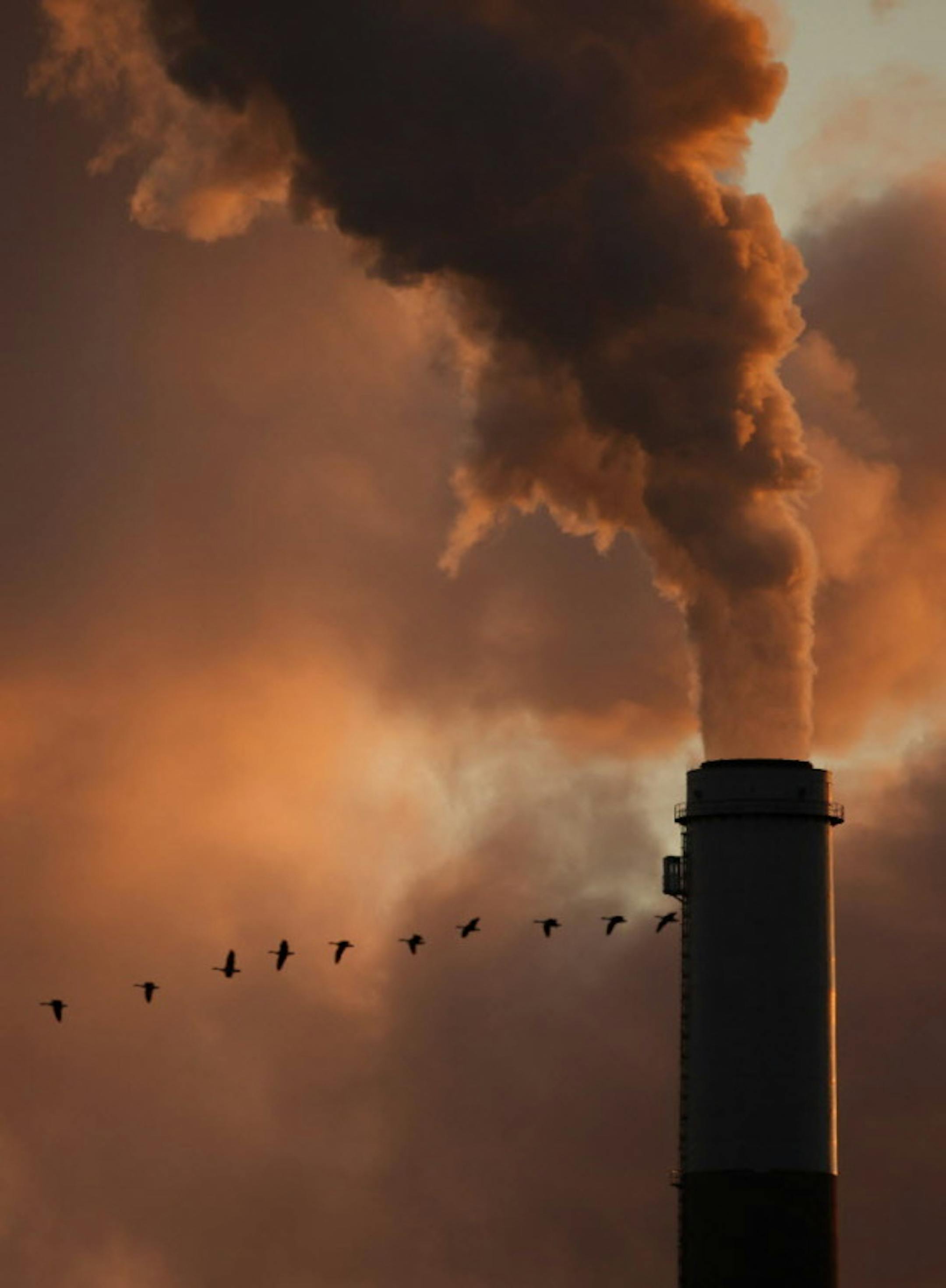
2,900 fewer tons of air pollution -- sulfur dioxide and nitrogen oxide -- from one utility just north of La Crosse, Wis. will mean cleaner air for people living east of Alma, Wis., thanks to a deal between Dairyland Cooperative, the EPA and the Sierra Club.
Dairyland Cooperative provides electricity to 25 member distribution cooperatives and 15 municipal utilities in Wisconsin, Minnesota, Iowa and Illinois. The agreement states that the company will put on $150 million in pollution control technologies at three of its coal fired plants in Alma and Genoa. The utility will also permanently retire three additional old coal-fired units at the Alma plant, which have been out of operation since last year, and it will pay a civil penalty of $950,000.

But the biggest piece of change, $5 million, will go to a combination of renewable energy, energy efficiency and public land improvement projects. Most will be spent on solar energy installations in Wisconsin.
Shahla M. Werner, executive director of the Wisconsin branch of the Sierra Club, said that the investment in alternative energy is the most significant part of the deal. Compared to Minnesota, Wisconsin has a much lower goal set for renewable energy sources, 10 percent compared to 25 percent, so utilities have no incentive to reduce their reliance on fossil fuels, she said. Forcing that sort of investment through a settlement agreement is a critical tool in the current political climate in Wisconsin, she said.
The Sierra Club sued the utility in 2010 for exceeding emissions standards and other violations of the Clean Air Act. The EPA made similar allegations in 2012, though the cooperative was already implementing changes to cut emissions, it said in a release. In 2011, it decided to mothball the old generators, and even earlier it was installing pollution control equipment. But as part of the agreement it will do more, it said.
It denied wrong doing, and said it agreed to the settlement and the penalty in order to avoid expensive litigation.


