In 1934 Roger Tory Peterson, with manuscript and watercolor paintings in hand, went looking for a publisher for the bird identification book he had created.
He knocked on doors. No. No. No. No.
Then he found Houghton Mifflin Harcourt, a publisher willing to take a chance on his idea. That was 85 years ago, and HMH surely hasn't regretted saying yes a single day since.
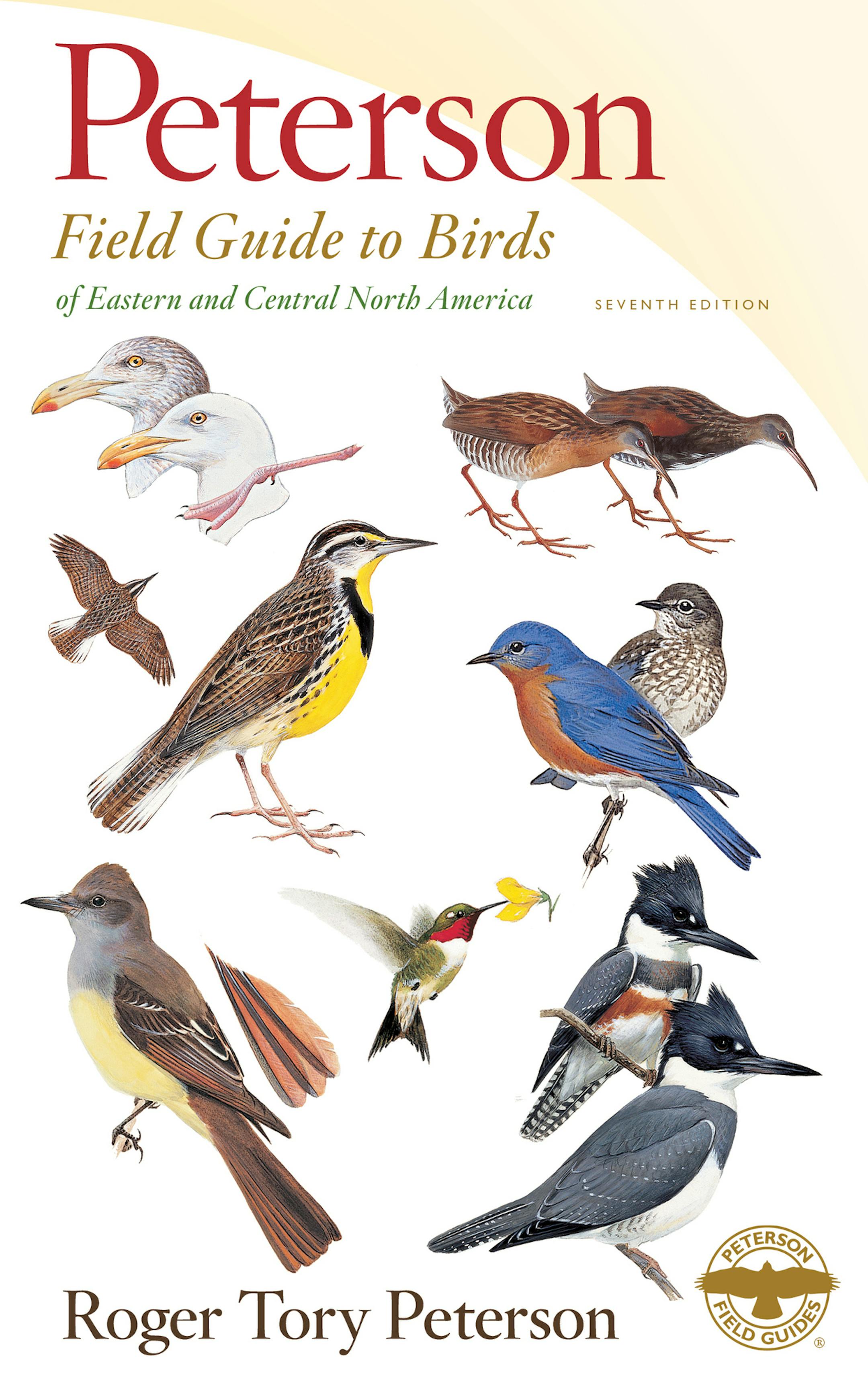
The seventh edition of the "Peterson Field Guide to Birds of Eastern North America" was published recently, with its companion for birds of western North America.
Hundreds of thousands of Peterson's books are in use today. We have four; my oldest copy, printed in 1961, was the 28th revised and enlarged edition of the second revision of the original. I've had it rebound once; I wore the binding ragged.
The amazing part is that while changes aimed at improvement have been made, the newest books look like old friends. The artwork in the new books follows the Peterson style perfectly. The illustrations are larger, the colors brighter, the style comfortably familiar.
All the best parts continue. Those little arrows that guide you to the telling identification details on each bird? They're still there, just like Peterson drew them in the 1930s. (Peterson, by the way, borrowed the idea from fellow ornithologist Ludlow Griscom, known as the father of modern bird-watching.)
Peterson did not paint the illustrations for the newest editions. He died in 1996. An artist named Michael DiGiorgio gets credit for the new work, and credit for capturing Peterson's style perfectly.