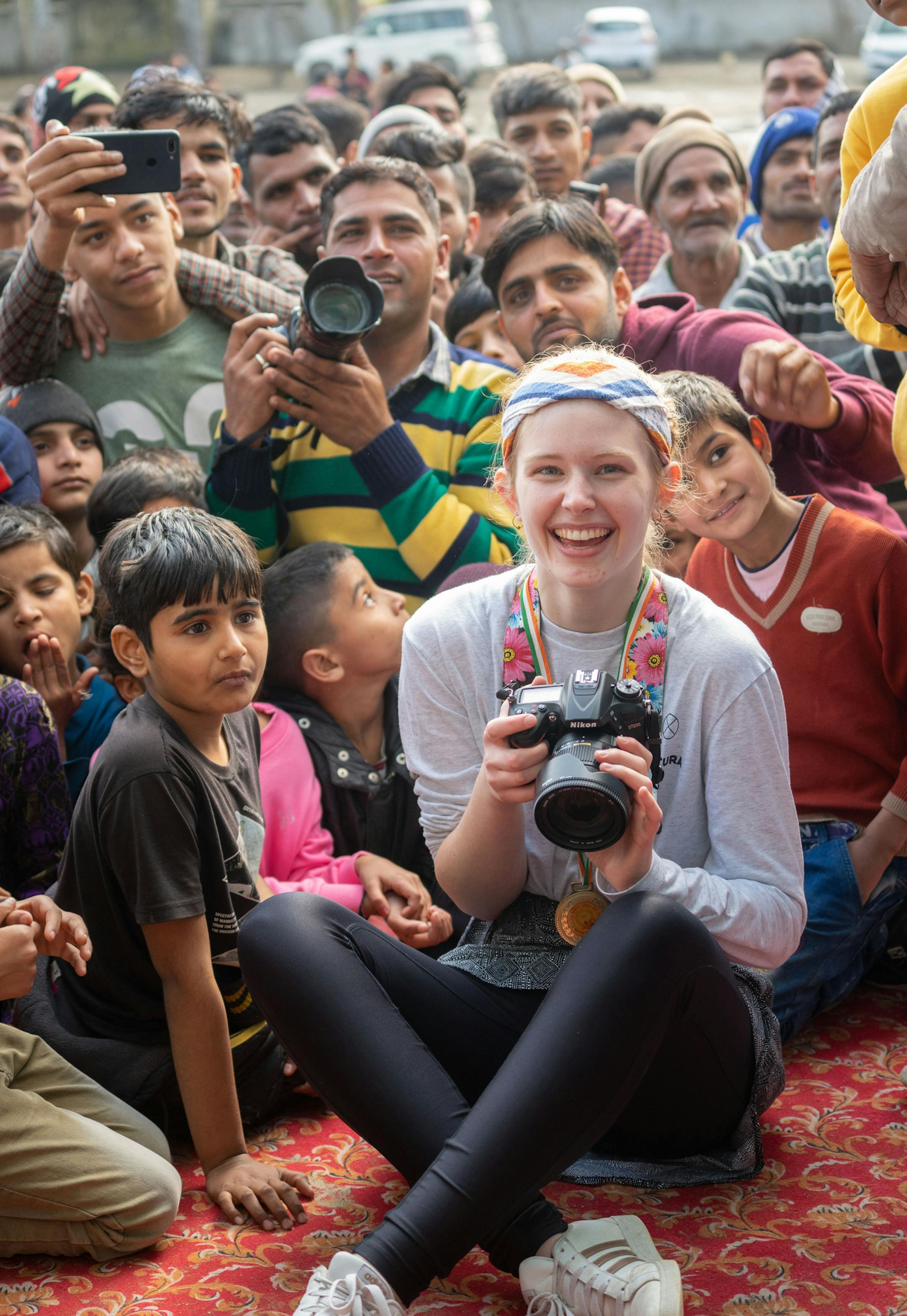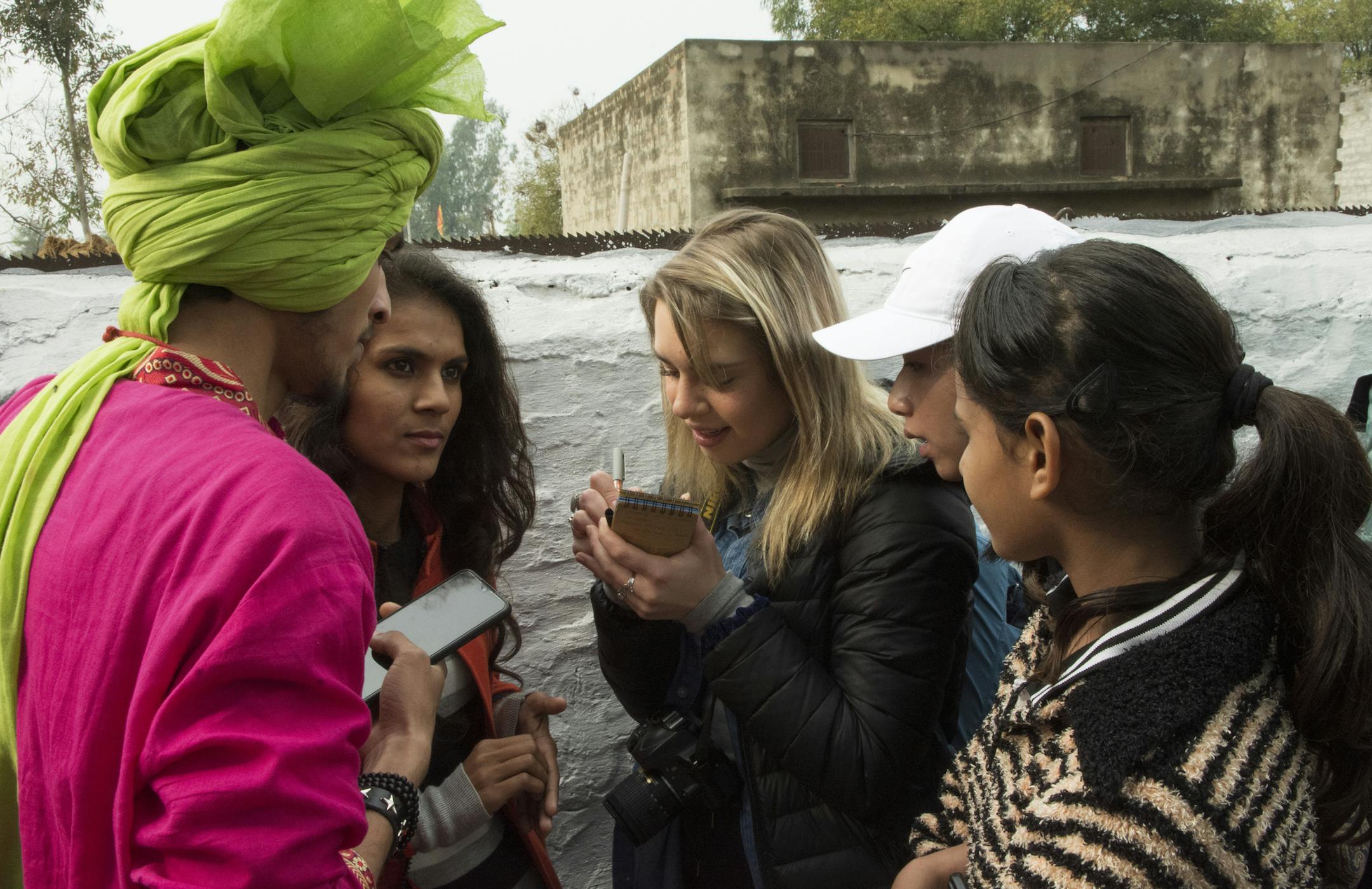
Twenty Bethel University journalism students went on a class trip to India last January to build their skills in social justice journalism. They had no idea how much they'd be applying what they learned when they returned to the Twin Cities — and how much the experience would change them a full year later.
"I've been trying to see those who are marginalized, and to see those who are oppressed," said Will Jacott. The 22-year-old Bethel senior majoring in graphic design was among students on the trip who later pushed the university's student newspaper to cover the protests that followed the killing of George Floyd while in police custody, and other social unrest here.
"I'm blessed to be super privileged, and I think it's important to share my voice and share my resources with those who are."
Molly Korzenowski, a 21-year-old senior, said the trip "really brought your attention to inequalities in your own country and even your own family."
The three-week trip was part of an unusual January-term course at Bethel, where the goal was to produce a print magazine and web publication telling stories about life in rural India. While the students started with a day of sightseeing in Delhi — visiting the Taj Mahal and Gandhi's tomb — they spent the bulk of their time in Haryana, a state some 80 miles northeast of the Indian capital.
"It was really going into a space where very few journalists have been," said Scott Winter, an associate professor of English and journalism at Bethel who led the trip. "They didn't do it like CNN — you know, 'helicopter journalism,' just coming down for a day to look at the destruction and leaving. It was three weeks of finding out who these people are, not just what their tragic circumstances were."
The 20-hour flight and five-hour drive into the countryside took the student reporters well out of their comfort zones. "A lot of these kids come from very staunch, evangelical families — in the best of ways," said Winter. "They had never encountered being the only white person. Most had never encountered and seen an entirely different culture."
To help the students get their bearings, they worked in teams of four which were matched with journalism students from colleges in India who served as translators and guides to local customs.