

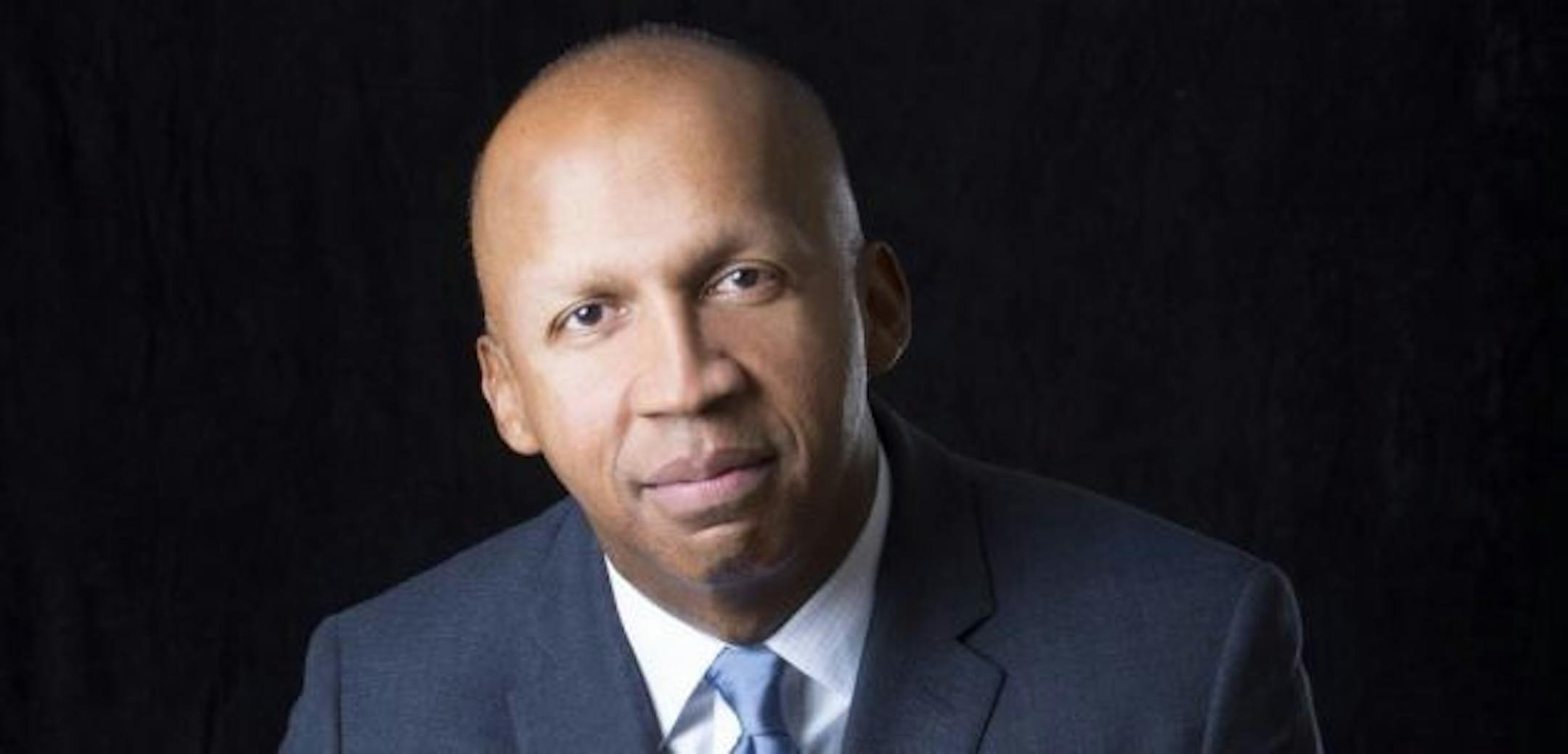
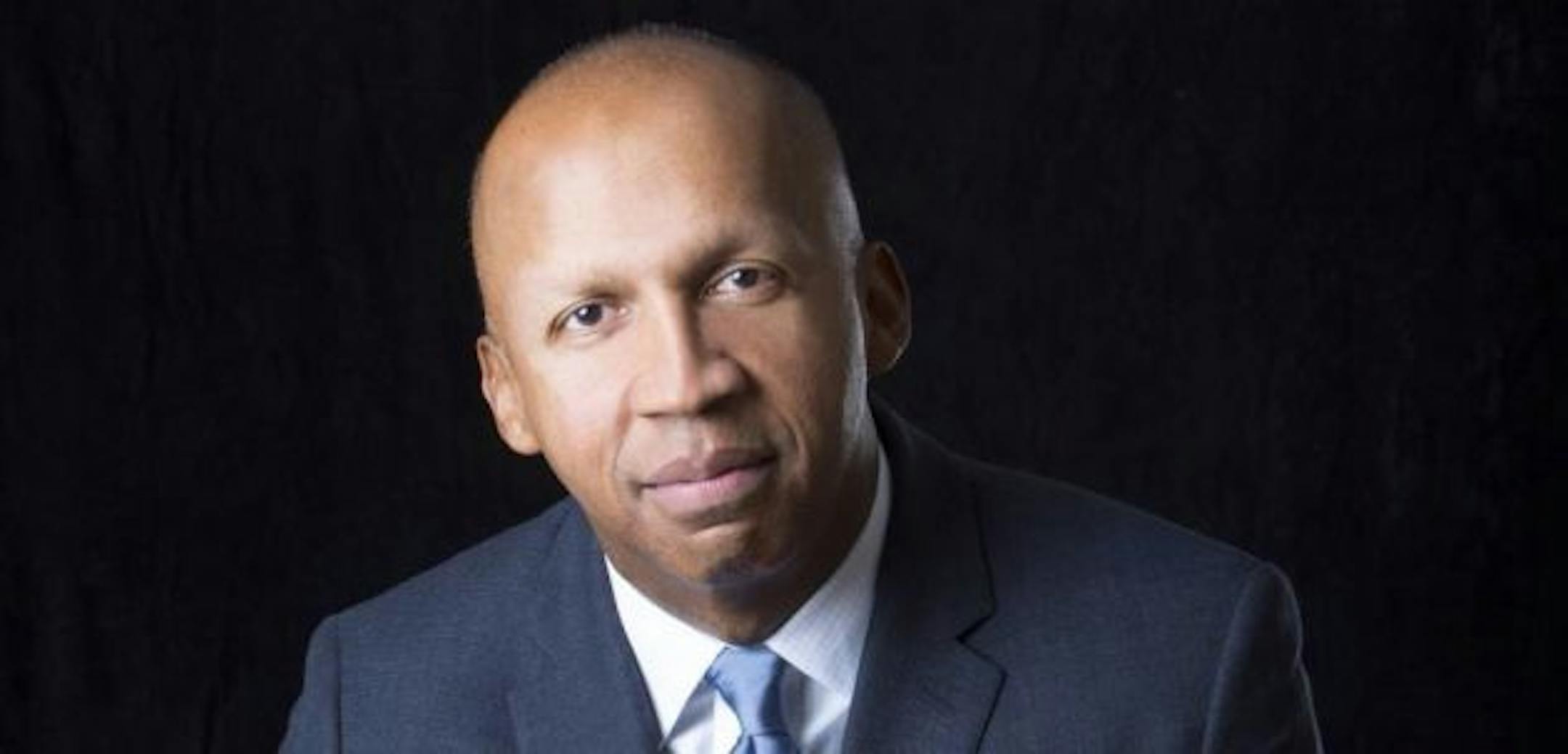
Bryan Stevenson, above, founded the Equal Justice Initiative, the nonprofit behind Alabama's new National Memorial for Peace and Justice. (Courtesy Minneapolis Institute of Art.)
Museums and cultural spaces have the power to change the stories we tell ourselves about the United States, Bryan Stevenson argued during a talk Friday in Minneapolis.
And he would know.
Stevenson founded the Equal Justice Initiative -- the nonprofit behind the new National Memorial for Peace and Justice in Montgomery, Ala., which insists that the country grapple with its ugly history of white supremacy, including the lynching of thousands of black people.
His talk was held at the Minneapolis Institute of Art as part of its exhibit "Art and Healing: In the Moment," inspired by Philando Castile, a 32-year-old black man who was fatally shot by a police officer in 2016.
"I was thrilled to hear about the Castile exhibit," Stevenson told the sold-out crowd. "I think cultural spaces in this country have often been complicit in creating the barriers to equality and justice...
"So when we open up our doors and begin to recognize our power to be contributors to the narrative change that we so desperately need in this country, amazing things begin to happen," he continued. "And I'm really thrilled that has happened in this space."
Once referred to by Archbishop Desmond Tutu as "America's Nelson Mandela," Stevenson is a civil-rights lawyer, acclaimed author of "Just Mercy" and an in-demand speaker. Minneapolis was one of his three stops on Friday. (He flew to Detroit first, Atlanta after.)


