1:17
1:17The vitriol directed at Amy Senser peppers social media and news websites, ranging from the opinions of those who have already convicted her to comments that are outright sinister.
"Rope. Tree. No admission fee," one anonymous observer wrote.
Online rants are at the heart of a motion requesting a change of venue for her April 23 trial for criminal vehicular homicide. Her attorney, Eric Nelson, wants the trial moved to Kandiyohi County, about 90 miles west of the Twin Cities.
Nelson, who said a venue change could delay the trial, argues that online "mob mentality" and comments by Hennepin County Attorney Mike Freeman have created a prejudicial environment that would prevent Senser from receiving a fair trial in Hennepin County. Nelson's concerns stretch beyond the courtroom. "If you read through the comments on the blogs and if you were to see some of the e-mails and correspondence that I get, I have absolutely no doubt that there is a risk for her safety," Nelson said. He and his client have reported some of the comments to law enforcement authorities, he said.
One online comment read, "Bang. Bang. Bang." Others listed Senser's home address.
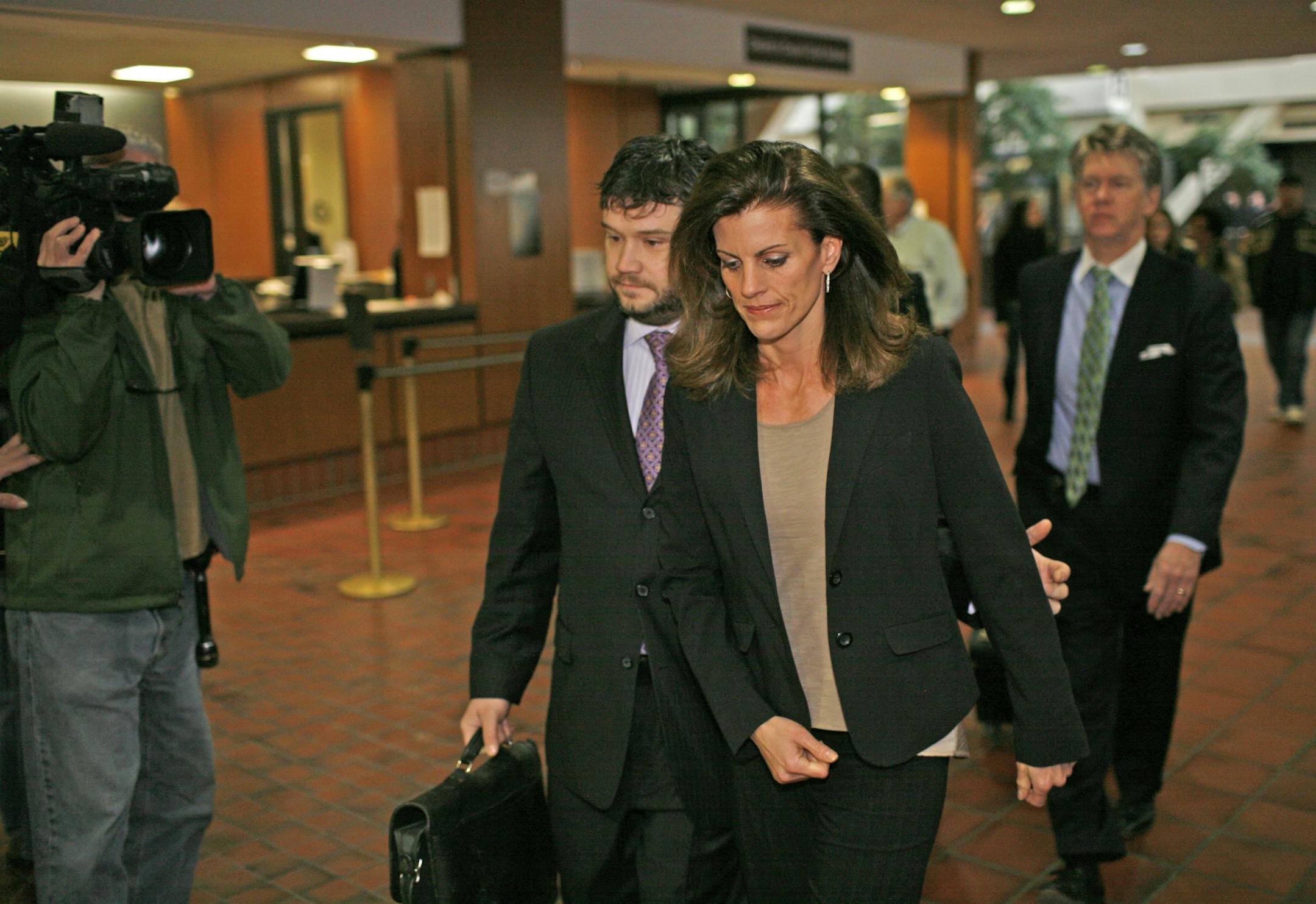
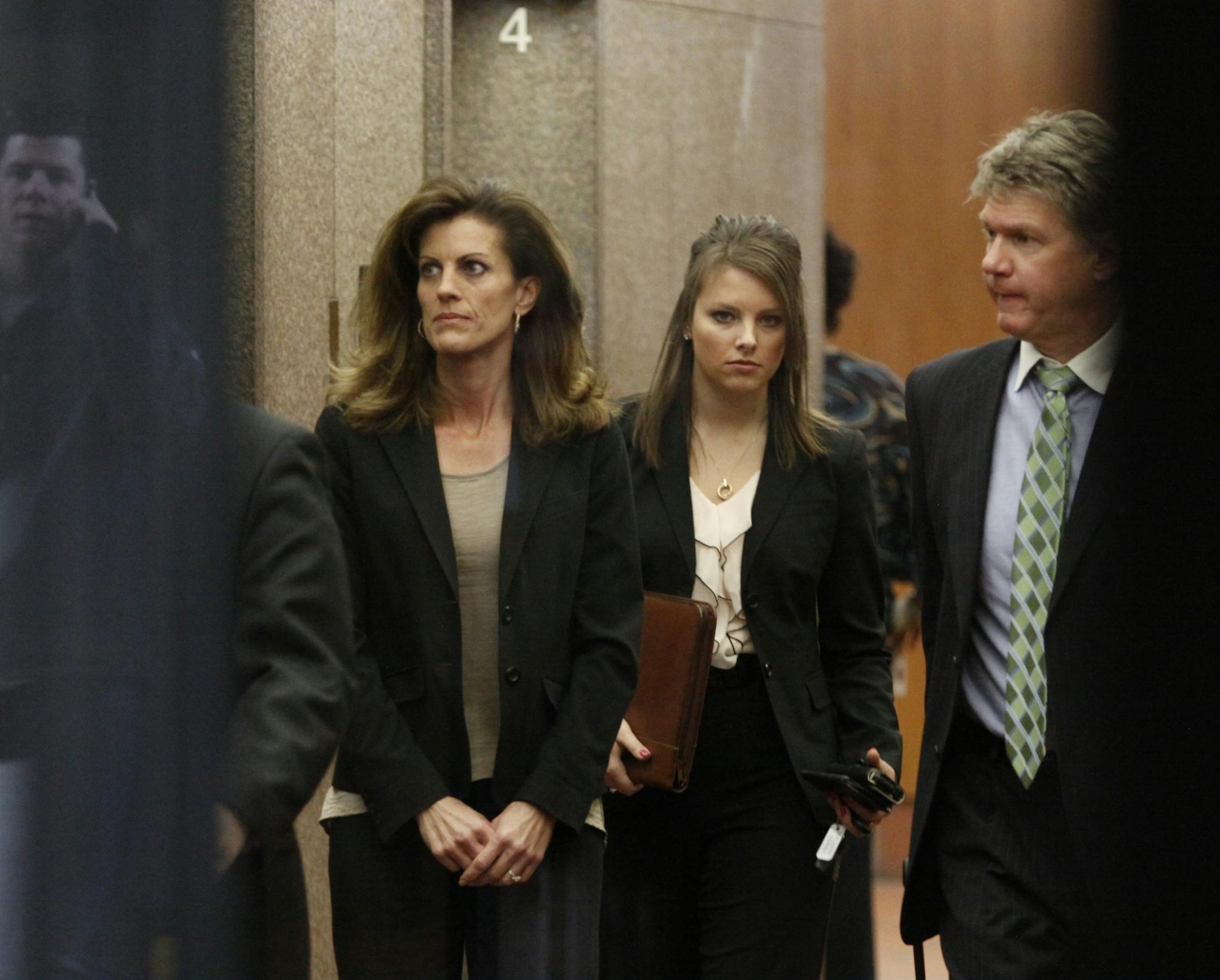
Nelson made the request on the same day Senser, the wife of former Vikings star Joe Senser, appeared in court, when District Judge Daniel Mabley refused to dismiss the charges. Nelson had argued that there isn't enough evidence to prove Senser knew she struck a person when she hit Anousone Phanthavong with her Mercedes-Benz SUV Aug. 23 on an exit ramp of Interstate 94 in Minneapolis. Phanthavong, 38, died at the scene.
Mabley said prosecutors have enough evidence to justify going before a jury. As a result, Senser pleaded not guilty to both felony counts during the brief court appearance. She will return to court April 16.
Nelson proposed moving the trial to Willmar, in Kandiyohi County, because it's outside the Twin Cities media ring and is "isolated enough, geographically speaking." However, he said, in the age of Facebook and Twitter, he's unsure how effective a change of venue could be. He cited the case of Donald Blom, tried in 2000 for the death of 19-year-old Katie Poirier. Blom was granted a change of venue because of intimidating bumper stickers and signs displayed at the courthouse before his trial.