1:44
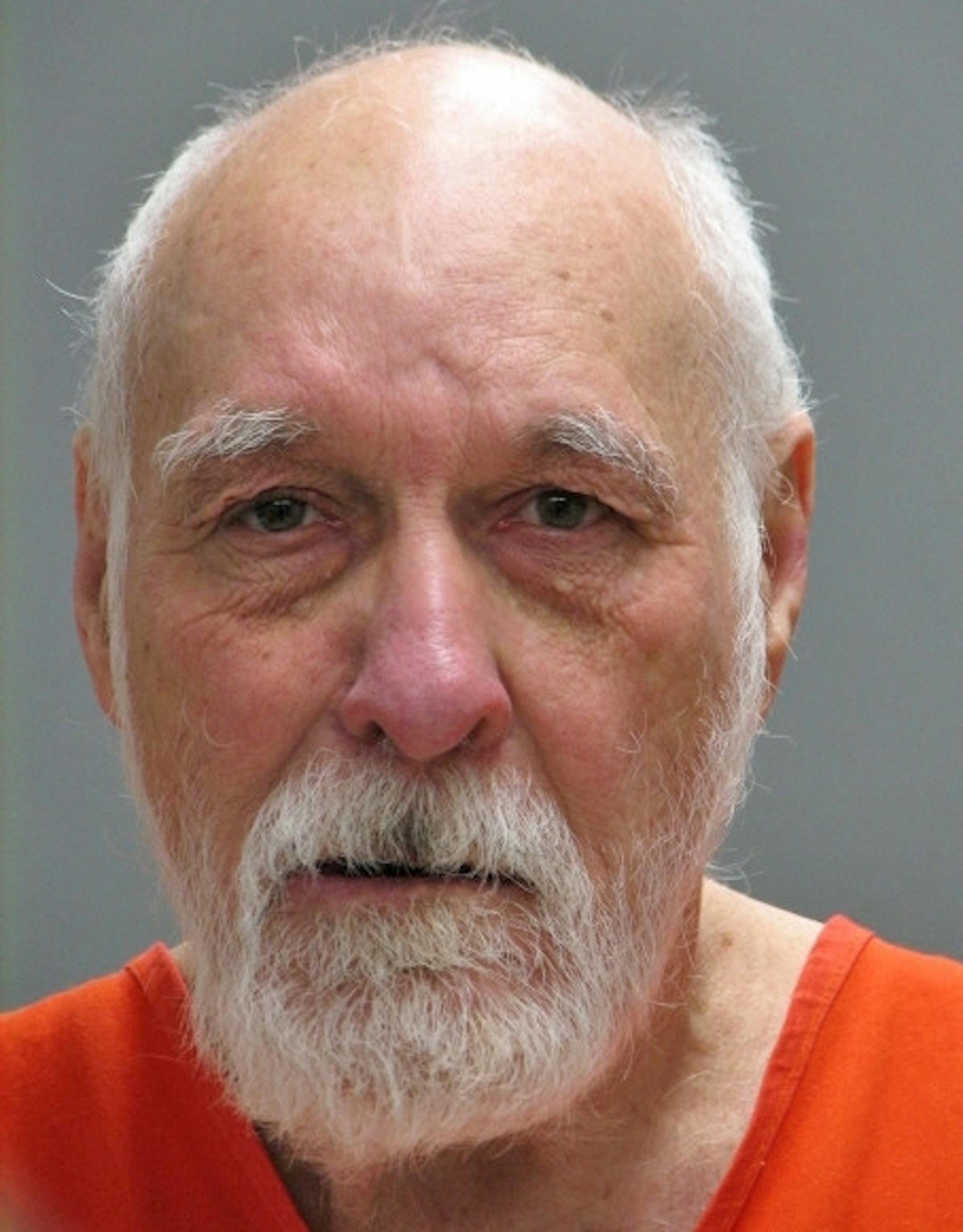
1:44A group dedicated to freeing innocent prisoners is casting new doubt on the guilt of a drifter convicted decades ago in a serial killer case that had gripped Minneapolis.
The Minnesota Innocence Project said new DNA testing in the high-profile murders of three American Indian women in the 1980s found no link to the convicted man, Billy Glaze, who is serving three life sentences for the crimes. The tests of 39 items found at the murder scenes, including bodily fluids, clothing and other items, instead implicate another man — a convicted Minnesota rapist, the attorneys contend.
They are seeking a new trial for Glaze in court papers filed Tuesday. They would not identify the newly implicated suspect, though they said they have provided Hennepin County prosecutors with test results.
Deputy Hennepin County Attorney Dave Brown said authorities were still reviewing the voluminous filing from the Innocence Project attorneys, but his office has been communicating with the group.
"There's nothing that we've seen through the years, as we've reviewed these claims, that suggests to us that anyone other than Billy Glaze is the one that did these brutal sexual mutilations and murders," Brown said. "On the other hand, we'll take a careful look at their claims."
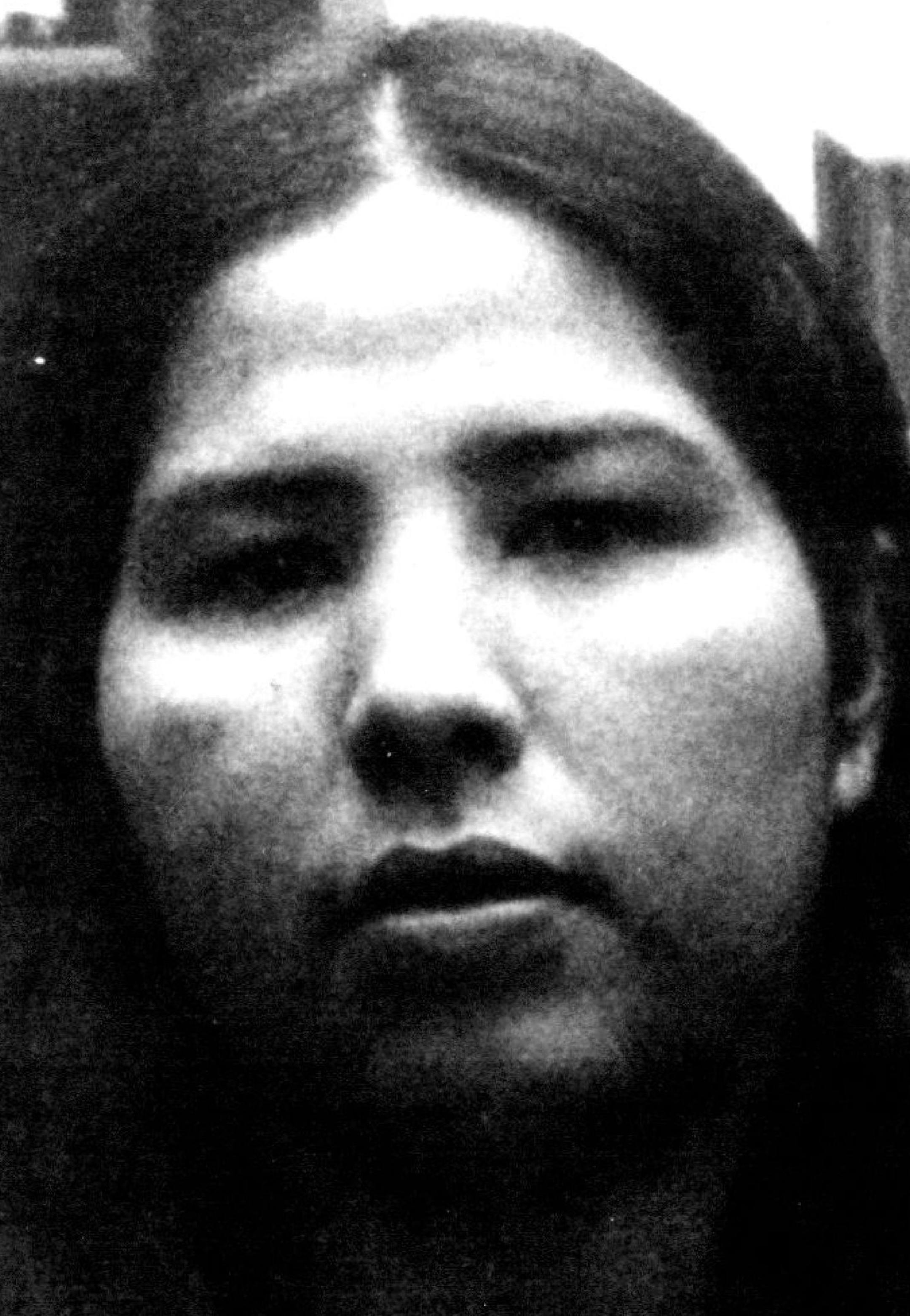
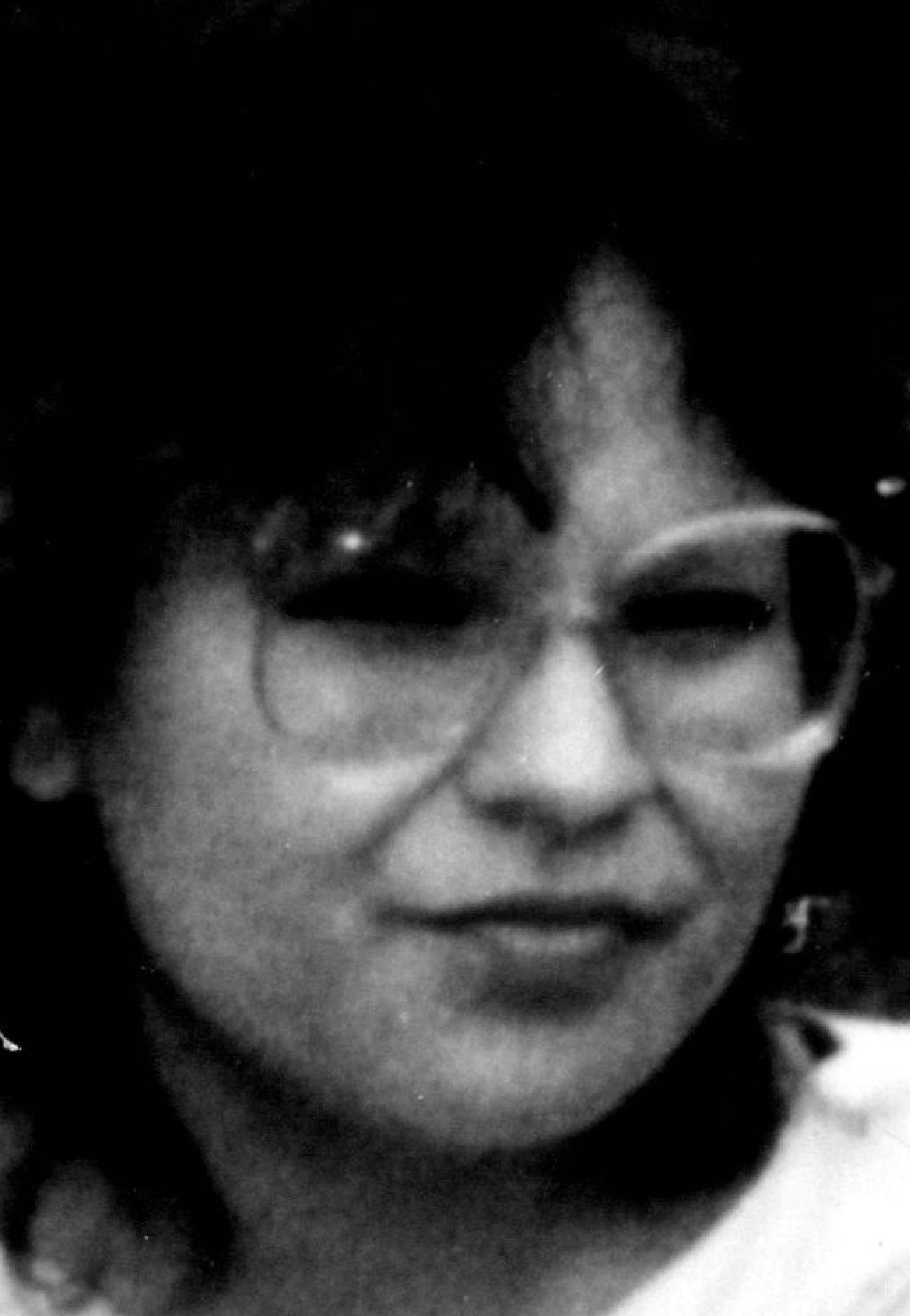
Glaze, now 70, has spent more than 25 years behind bars in connection with the murders. A jury found him guilty of first- and second-degree murder in the bludgeoning deaths of Kathy Bullman, 19, Angeline Whitebird-Sweet, 26, and Angela Green, 21. All three were found nude or mostly nude with their bodies positioned in ways that suggested a serial killer. The cases prompted intense media attention and public outcry, including allegations that police hadn't been aggressive in investigating crimes against Indians.
Gladys Genschow, Whitebird-Sweet's older sister, said she was shocked to learn Tuesday night that Glaze's conviction is being questioned after all these years. "I thought they had him," she said.
But if the evidence shows he didn't murder the three women, Genschow said she is glad they are reopening the case. "They need to find the right person," she said. But reopening the case will reopen painful memories. "I would lay awake at night, and I could hear my mother crying," Genschow said, explaining she would have to tell her mother, who is now 79 and has suffered several strokes, about the latest development.