

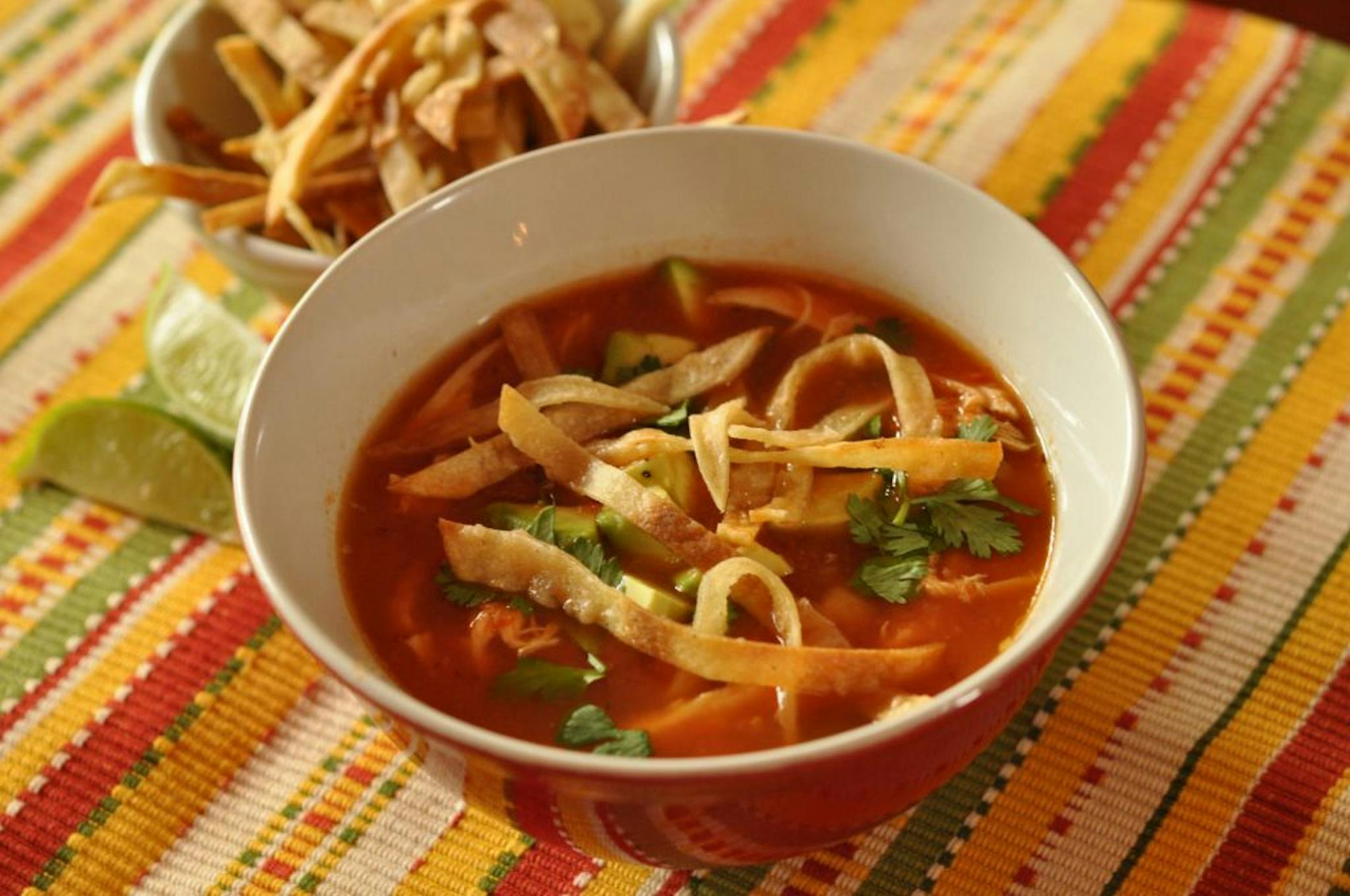
Before my husband and I had kids, spicy food was part of our daily lives. We ate habanero-laden salsas, incendiary curries and hot chili on a daily basis. Yes, we were chile addicts.
Then we had kids.
For some reason I just assumed that I shouldn't give my young kids anything spicy to eat. Surely their inexperienced palates wouldn't be able to tolerate anything but the tamest of food. So, as a consequence of not wanting to cook two different meals, one for the kids and a different one for the grownups, my husband and I found ourselves eating food that had a somewhat "beige" quality.
Not in color -- there were plenty of colorful foods on the plate -- but in flavor. We began to forgo the pinch of red chile flakes in our pasta sauce, the Sichuan chiles in our stir-fries, the roasted poblanos in our quesadillas. Instead we opted for a less enthusiastically flavored version of our favorite dishes.
A cultural difference
Then I interviewed Madhur Jaffrey, world-famous Indian cookbook author, for a magazine article I was writing on how different food cultures cool off their palates after eating spicy foods. She was perplexed by my premise.
"We do eat yogurt-based dishes, which are cooling, but we do it because they make for a nice contrast, not because we need to cool off from the chile peppers." When asked what she ate as a child, when the adults were eating all those intensely flavored Indian dishes (aka, The Good Stuff), she simply said, "We ate them, too."
Of course they did. Why wouldn't they? Cultures all over the world eat dishes that include spicy ingredients and they're not all making pasta with butter for their kids while they eat their penne with arrabiata sauce (which means "angry" in Italian, due to the heat of the red peppers).


