

As bracing as the below-zero temps whisking in 2018 was the geopolitical forecast from the Eurasia Group, a global political risk research and consulting firm.
Belying buoyant equity markets, the world is facing a geopolitical backdrop that is "radically destabilizing," Eurasia Group President Ian Bremmer said during a call to unveil the group's analysis of "Top Risks for 2018."
A decade ago, Bremmer remembered, a somewhat cohesive, coordinated global response kept the Great Recession from becoming a depression. "Now we're in a geopolitical recession that's every bit as important for the world — and the response from the United States is: 'It's basically not my problem.' "
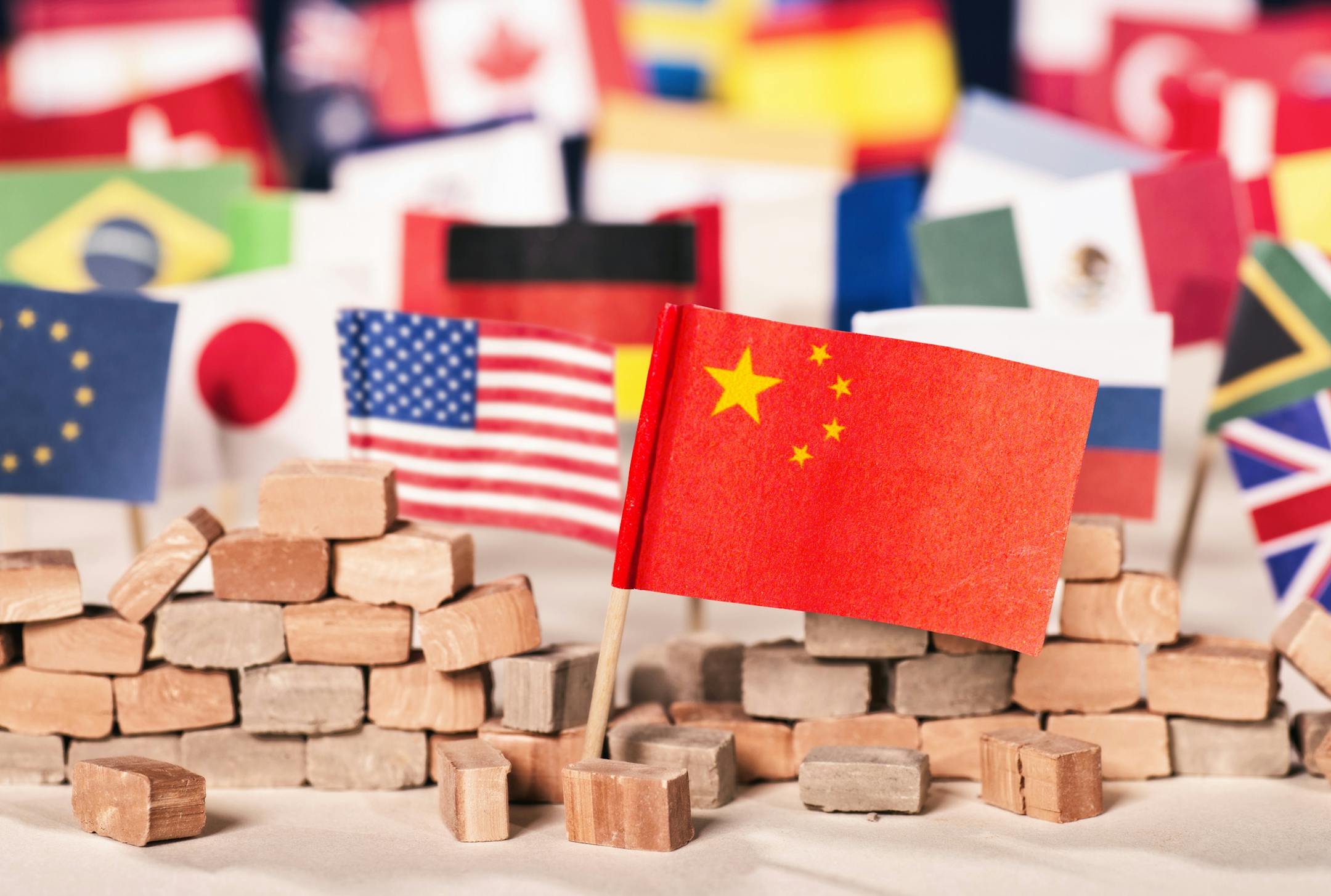
The forecasting firm saw it coming last year when it named an "independent America" as its top 2017 risk. The void left by this disengagement did not go unfilled, and in fact the Eurasia Group deemed this year's top risk as "China loves a vacuum."
"Until last year, China had avoided talk of global leadership," the Eurasia Group said in its analysis. "Its diplomatic rhetoric was seldom ideological, let alone evangelical, but in 2017, Beijing publicly shifted its official strategy. China is no longer biding its time. [Chinese President] Xi has now consolidated enough domestic power to redefine China's external environment and set new rules within it. He benefits from lucky timing: Trump has renounced the U.S. commitment to Washington-led multilateralism and generated much uncertainty about the future U.S. role in Asia, creating a power vacuum that China can now begin to fill."
The uncertain sound from the Trump administration's trumpet could exacerbate several of the Eurasia Group's other threats, including, starkly, "accidents," which could occur against a "less resilient backdrop." And then there's the "global tech cold war," which pits an independent, industry-centric U.S. approach against a statist China chasing key economic and security-related technologies to develop and dominate, such as artificial intelligence. Also, reaction to China could play prominently into "protectionism 2.0," which ranked seventh on this year's risk list.
The Eurasia Group isn't alone in invoking China as a challenge to the established order.
Stratfor, another geopolitical forecasting firm, lists the "deepening collaboration between China and Russia" as well as "the next phase of China's reform agenda" as two of its top six risks for 2018. Meanwhile, "China's ambitions abroad," "North Korea's nuclear ambitions" and "Trump's efforts to transform trade" — all of which involve or revolve around China — were three of the seven "foreign policy stories to watch in 2018," according to the recently released list from the Council on Foreign Relations.


