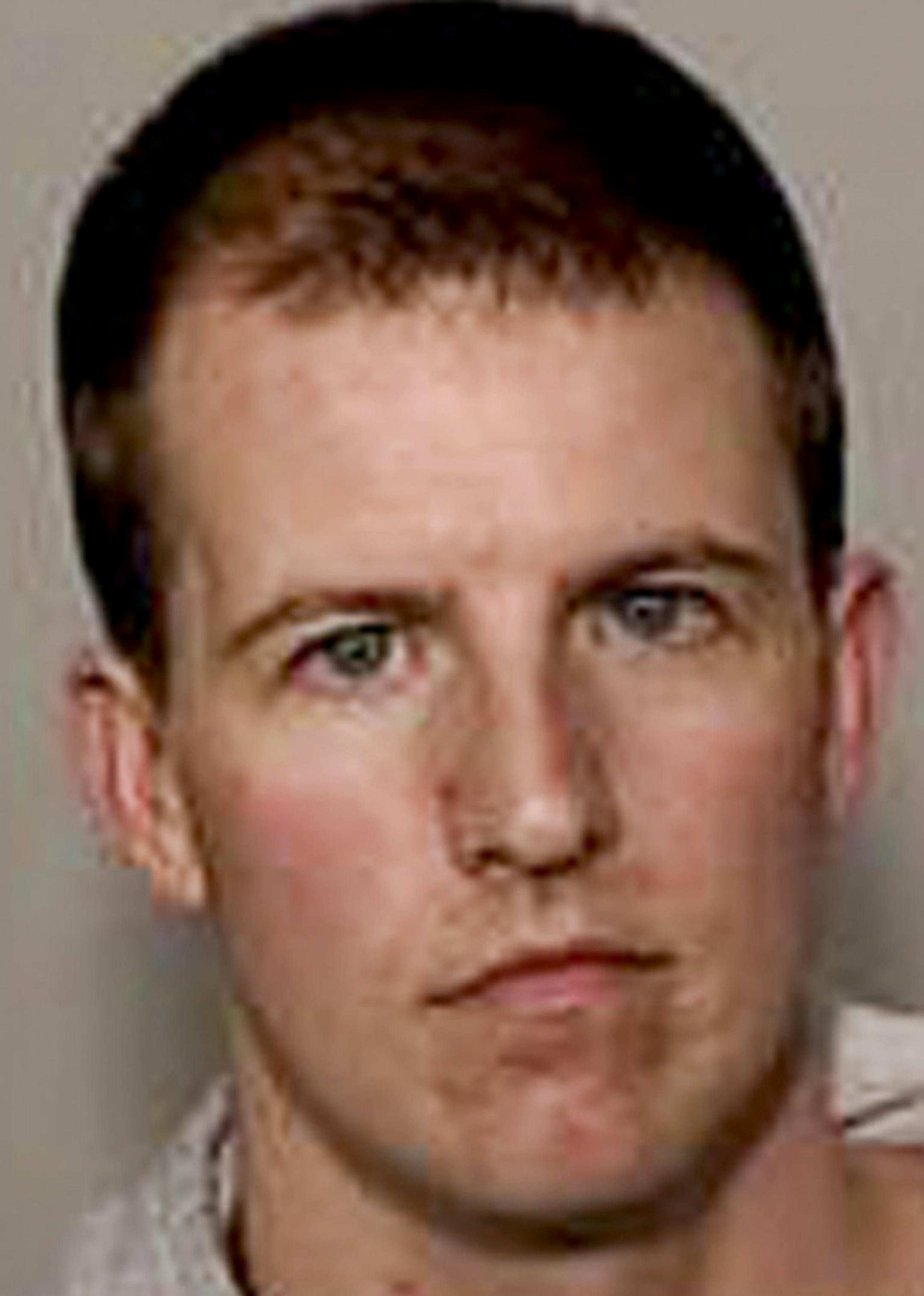
One of Bradley Schnickel's victims threatened suicide. Another became a recluse. After a year in therapy, a third says, "I still do not trust … anyone."
But when Schnickel, 33, the former Minneapolis police officer who lured adolescent girls into sexual encounters using social media, was sentenced Monday in Anoka County, none of 18 alleged victims chose to read victim-impact statements. Victims' and relatives' faces dropped in disappointment when Schnickel received 30 months in prison, not the nearly 12 years the prosecution sought. But prosecutors knew that had victims spoken out in court, there still were no guarantees.
With cases of child pornography, sexual assault, solicitation through electronic media and other forms of child endangerment becoming increasingly prevalent, prosecutors often face a deeply difficult decision — whether to have young victims testify or give impact statements, considering the effects not just in the court, but on the children. Many times, it's no easier even after consulting the children, their families and, in some instances, therapists and speech pathologists.
"These kids have been violated by people they trust," said Leah Emmans, a Sherburne County prosecutor who deals with child victims regularly, some as young as 4. "It's important that the pain in their voices be heard by a judge or jury."
Sometimes, she concedes, it's not possible or practical.
In Schnickel's case, there was no trial; he pleaded guilty in February to three counts of criminal or attempted criminal sexual conduct and two counts of electronic solicitation of a minor. Authorities said he had had sex with two girls, ages 16 and 14.
Prosecutor Paul Young said Tuesday that victims had been prepared to testify had there been a trial, but at Monday's sentencing, it was Young who was asked by girls and their families to read impact statements in the courtroom.
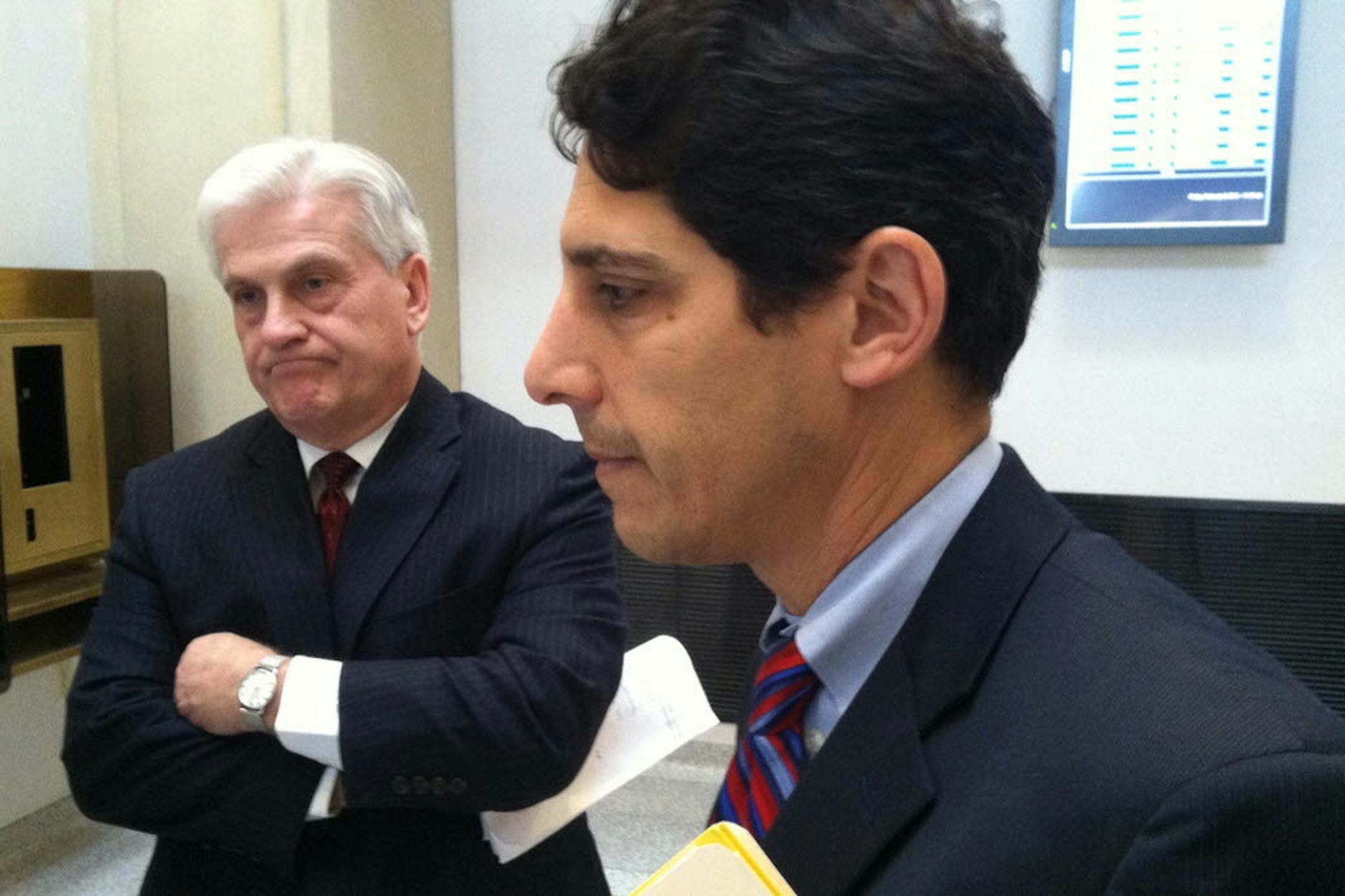
Anoka County Attorney Tony Palumbo said Tuesday that it shouldn't matter who reads a victim-impact statement. "What is most important is the message to a judge about the severity of the impact on the victim," said Palumbo, who was in the courtroom Monday. But, he added, "The effectiveness of how that message is delivered can vary."