

WASHINGTON – The Supreme Court on Monday struck down a Louisiana law that could have left the state with a single abortion clinic, dashing the hopes of conservatives who were counting on President Donald Trump's appointments to lead the court to sustain restrictions on abortion rights and, eventually, to overrule Roe v. Wade.
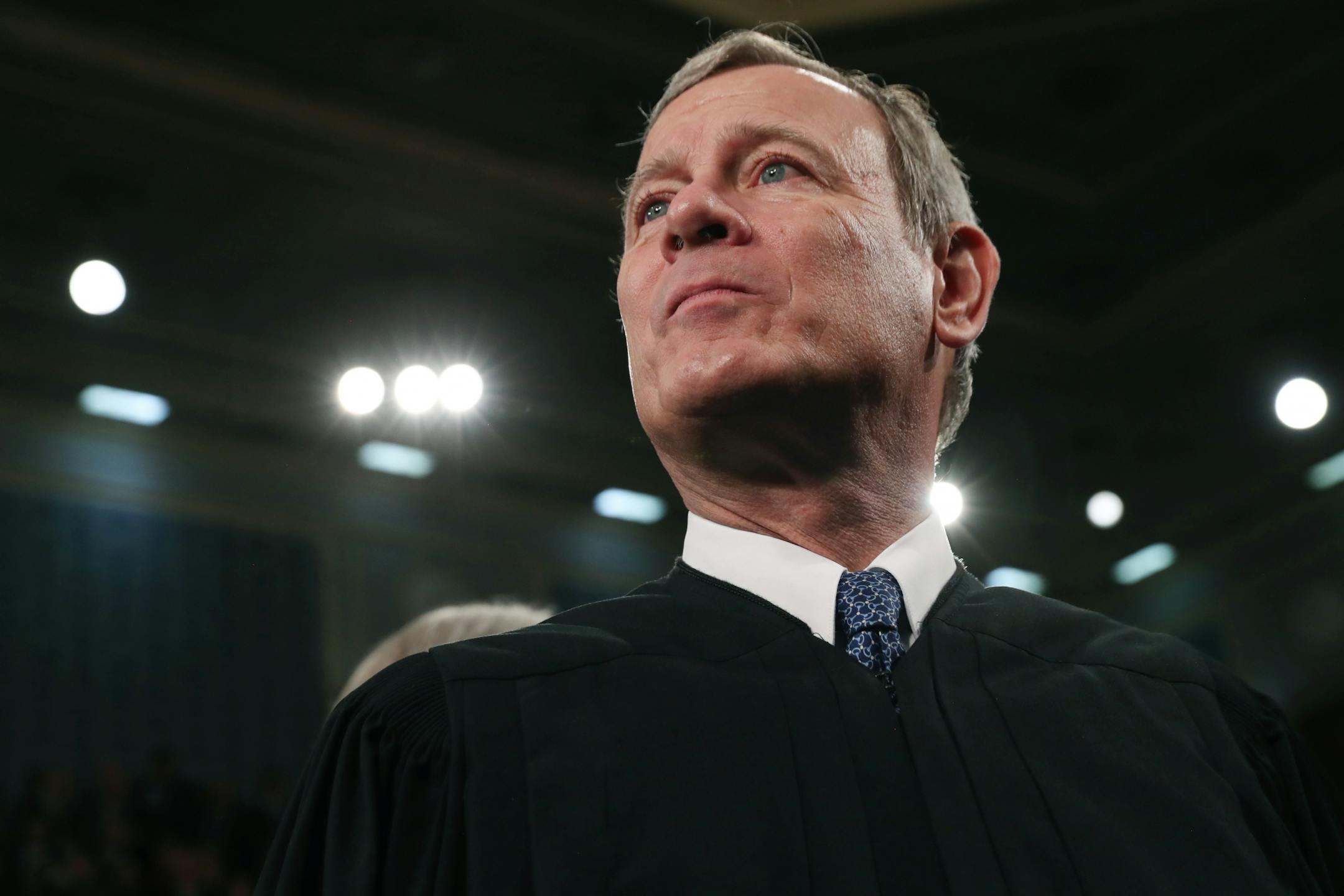
Instead, conservatives suffered a setback, and from an unlikely source. Chief Justice John Roberts added his crucial fifth vote to those of the court's four-member liberal wing, saying that respect for precedent compelled him to do so, even though he had voted to uphold an essentially identical Texas law in a 2016 dissent.
In the past two weeks, Roberts has voted with the court's liberal wing in three major cases — on job discrimination against lesbian, gay, bisexual and transgender workers; on a program protecting young immigrants known as Dreamers, and now on abortion. While the chief justice has on occasion disappointed his usual conservative allies, notably on the Affordable Care Act and adding a citizenship question to the census, nothing in his 15-year tenure compares to the recent run of liberal votes in major cases.
Justice Stephen Breyer, writing for the four other justices in the majority, said the Louisiana law was "almost word-for-word identical" to the one from Texas that the Supreme Court struck down in the 2016 decision.
In both cases, Breyer wrote, the laws put an undue burden on the constitutional right to the procedure.
The court's decision to revisit the issue of admissions privileges worried proponents of abortion rights given Roberts' support for the Texas law. Since that ruling, Justice Anthony Kennedy, who voted to overturn the law, was replaced by the more conservative Justice Brett Kavanaugh. In the end, Roberts' commitment to precedent sank the Louisiana law.
"I joined the dissent in Whole Woman's Health (the Texas case)," he wrote Monday, "and continue to believe that the case was wrongly decided. The question today, however, is not whether Whole Woman's Health was right or wrong, but whether to adhere to it in deciding the present case.
"The Louisiana law imposes a burden on access to abortion just as severe as that imposed by the Texas law, for the same reasons," the chief justice wrote. "Therefore Louisiana's law cannot stand under our precedents."

