CHICAGO – For people who don't live in the South Side neighborhood of Washington Park, there is no reason to take the train to the Garfield station.
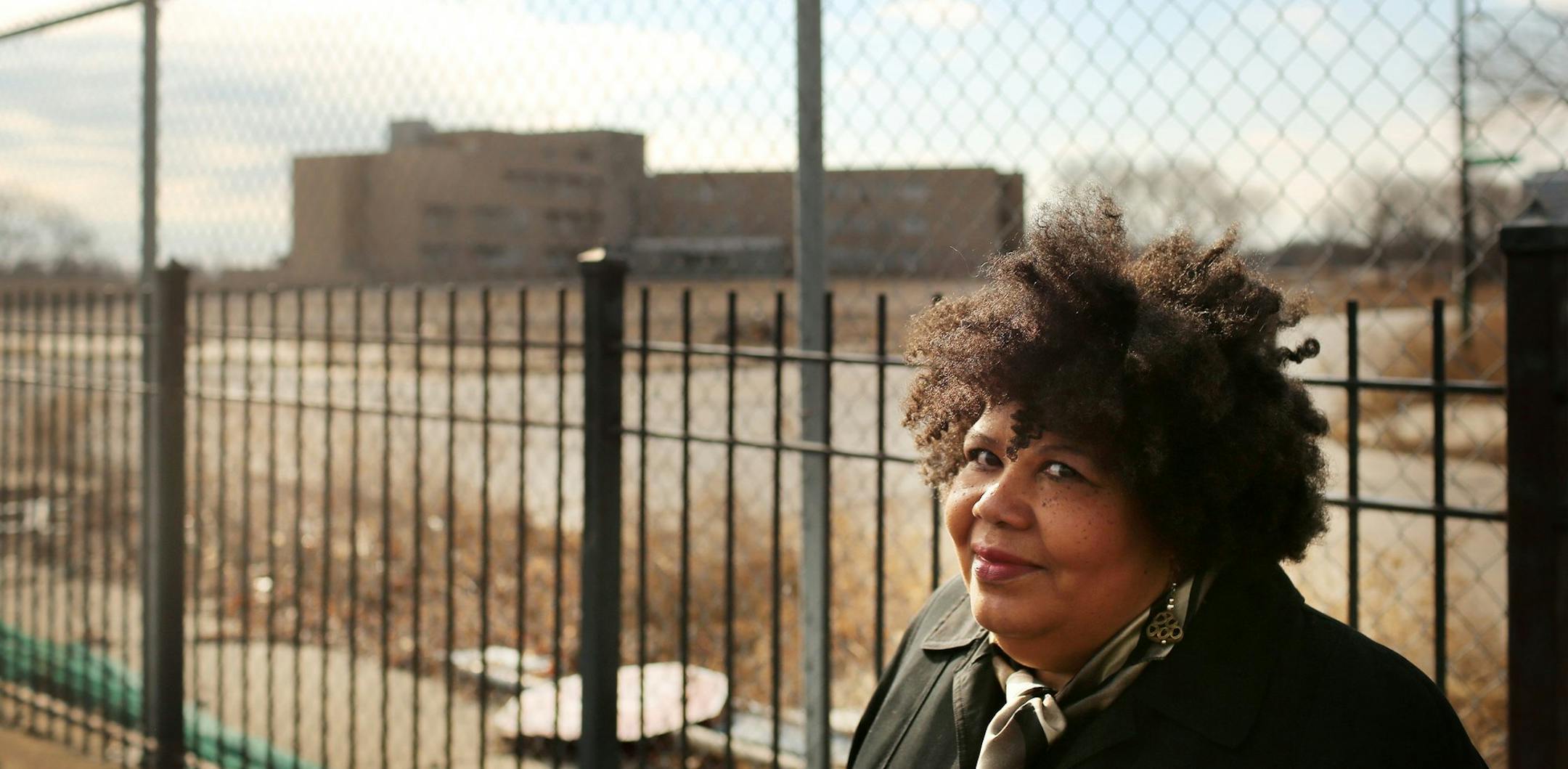
Though barely a mile from the stately University of Chicago campus, the desolate block of East Garfield Boulevard between Martin Luther King Drive and Prairie Avenue has little to offer, mostly one shuttered storefront after another and remnants of broken signage from businesses that once beckoned customers.
But it's possible that the landscape could change. Washington Park residents are pinning their hopes on President Obama — that he will select the university to host his presidential library and that the university will build it on the swath of vacant, city-owned land adjacent to the tracks.
While the site for the library will not be announced until early 2015, Chicago is considered by some observers to be the front-runner, partly because of the president and First Lady Michelle Obama's personal and political ties to the city. Bids also are expected from Honolulu and New York.
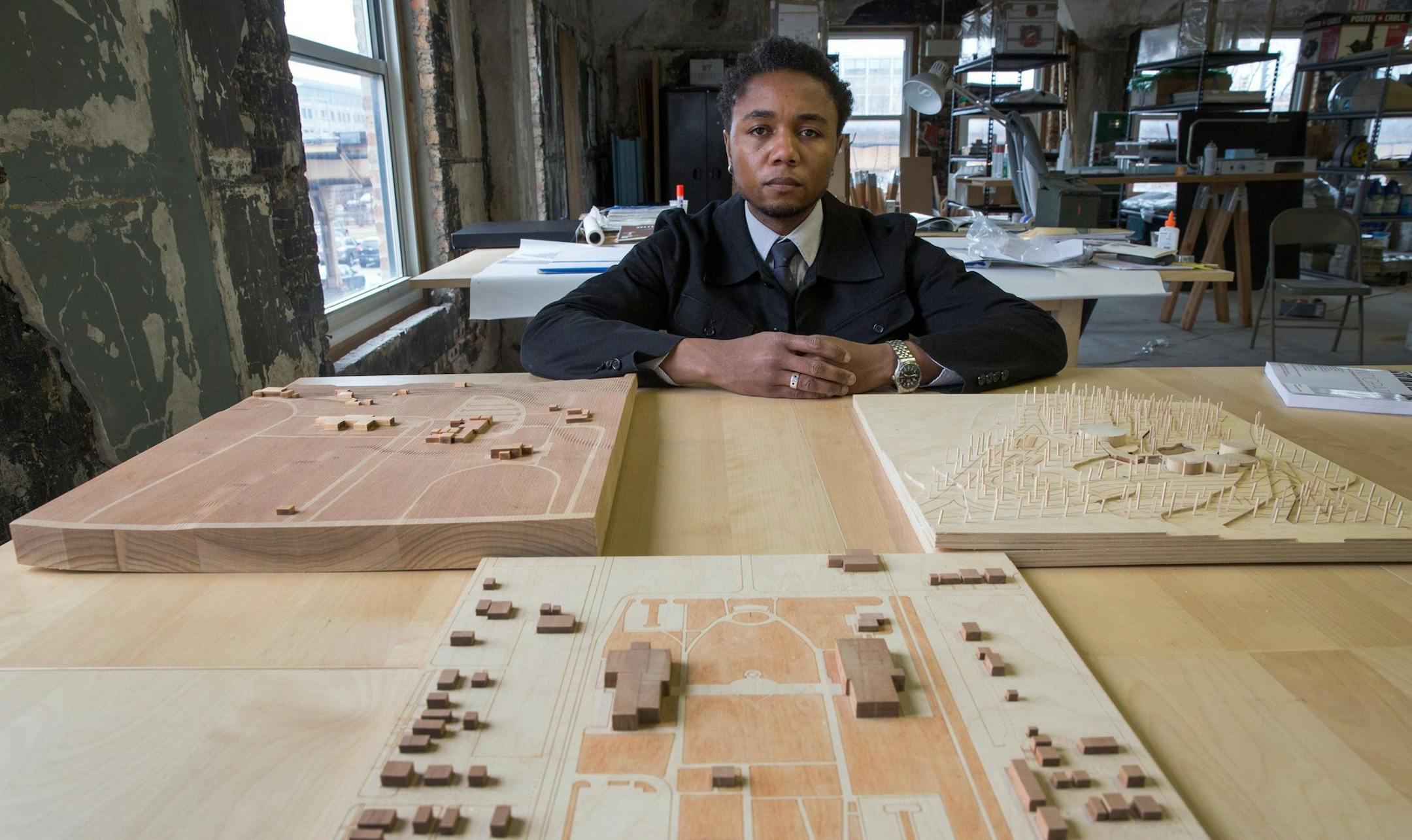
Across Chicago, other neighborhoods also are wagering their dreams of a cultural and economic renaissance on the Obama library. At least five community groups, universities or developers are preparing bids for the library, hoping to benefit from the boon that is expected to follow.
Inspiration and money
"Placing the library in the middle of an urban community would bring opportunity, economic development and inspiration," said Carol Adams, director of the DuSable Museum of African American History in Washington Park. "Kids could just be passing by and stop in. They wouldn't have to wait on school trips, with something as fantastic as a presidential library just down the street or around the corner from where they live."
None of the 13 presidential libraries and museums administered by the National Archives and Records Administration has been built in a low-income, inner-city neighborhood. So the challenge of using a presidential library as an economic engine to overhaul a neighborhood is completely untested.
"When you look at a library, you have to look at the surrounding vicinity. It is unusual to try to rehabilitate part of an urban area by resurrecting a presidential library. There could be a risk of crime, poverty or reputation, and all of it has to be considered," said Curt Smith, a senior lecturer at the University of Rochester and author of the book "Windows on the White House: The Story of Presidential Libraries."