

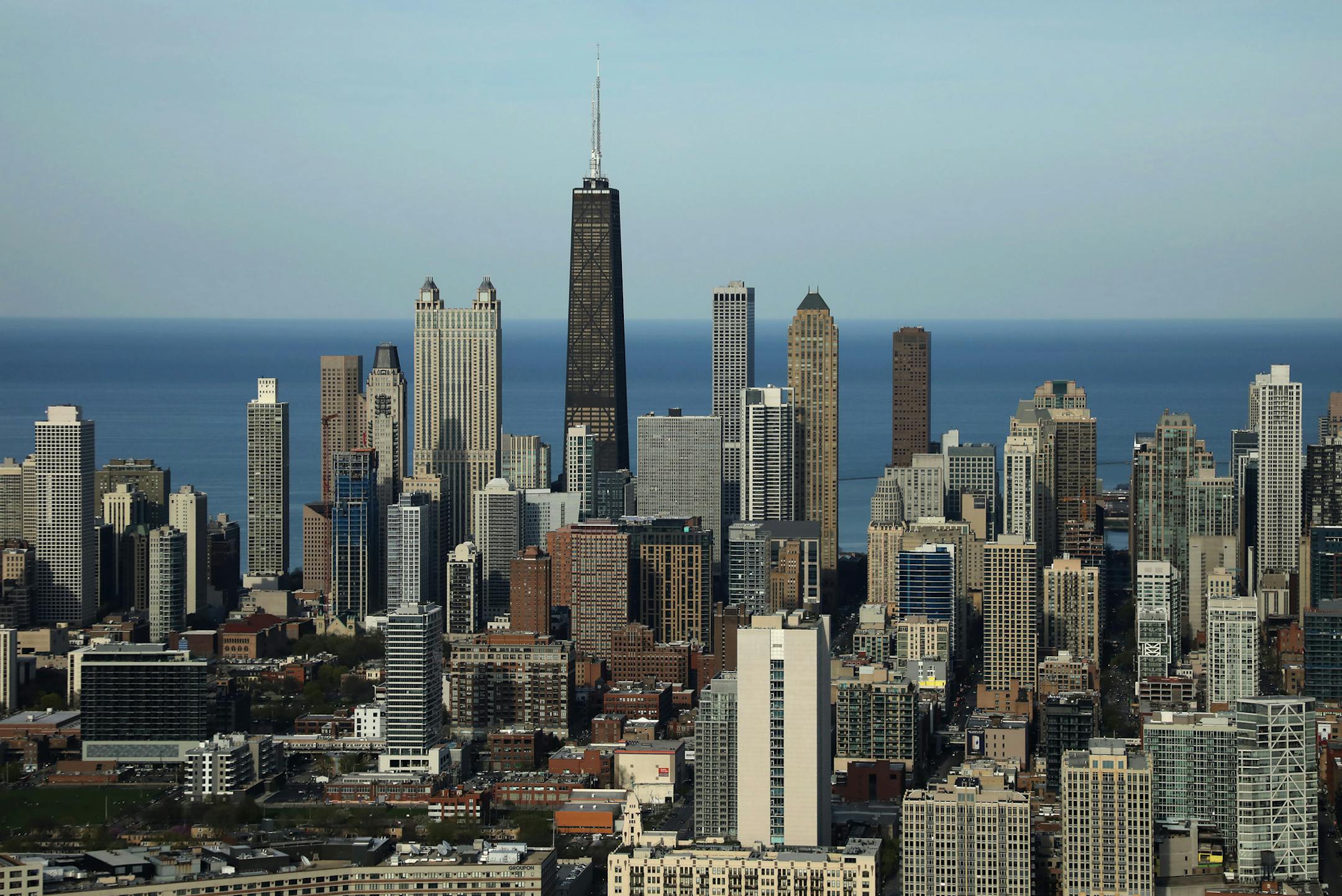
CHICAGO – Chicago was the only city among the nation's 20 largest to lose population during the 12 months leading up to last July 1 — and it lost nearly double the number of residents as the year before, said data released by the U.S. Census Bureau.
It's the city's third consecutive year of population loss. Chicago's population fell by 8,638 residents between 2015 and 2016, to 2,704,958. The year before, it declined by 4,934.
The population of the greater Chicago area, defined by the Census Bureau as the city and suburbs extending into Wisconsin and Indiana, is also declining. Numbers made available in March showed a drop of 19,570 residents in 2016 — the greatest loss of any metropolitan area in the country.
Illinois' population fell by more than any other state in 2016, down 37,508 people, according to census data released in December.
Chicago's population drop is part of a larger pattern of slowed urban growth in 2016. The country's top cities did not see the same surge as in previous years, experts say.
During the recession of 2008, families chose to stay in or move to core urban areas, and migration to the suburbs decelerated. Now, as families recover economically, they're deciding it's time to move back to the suburbs — a trend that experts say may keep city populations where they are for the next few years.
Illinoisans in recent years have flocked to Sun Belt states, contributing to the local population loss. During the years after the recession, migration to those states slowed, but then it heated up again as states in the South and West had greater job opportunities and affordable housing.
While the major cities in those states continue to grow, they aren't growing as rapidly as they have in recent years. Houston, which saw the second-largest increase among major cities in 2015, when it gained 40,817 residents, gained 18,666 residents in 2016.


