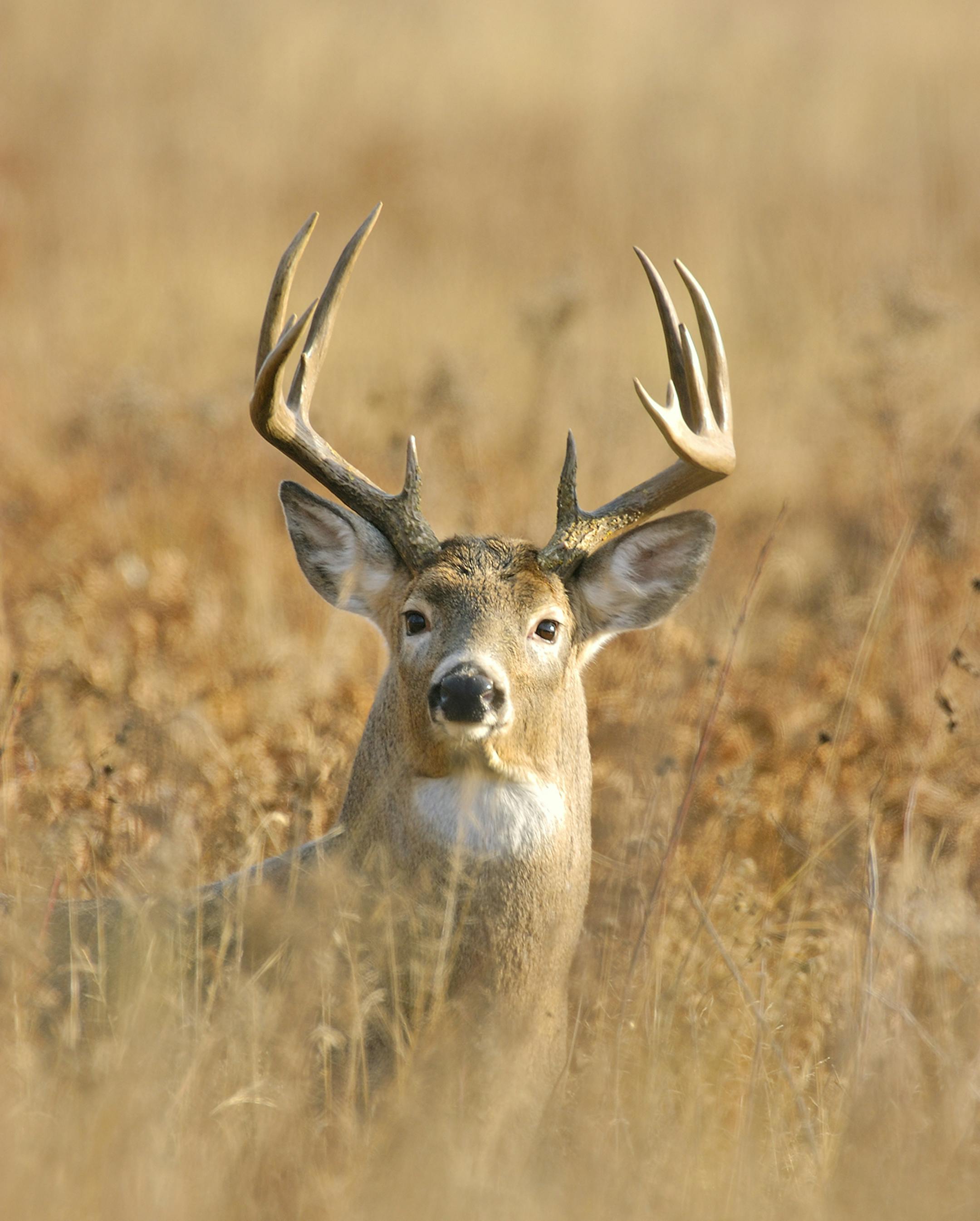
Anyone who pursues whitetail deer — or any other game species — on the prairie has surely spotted fence posts that have been used for antler rubbing by amorous bucks.
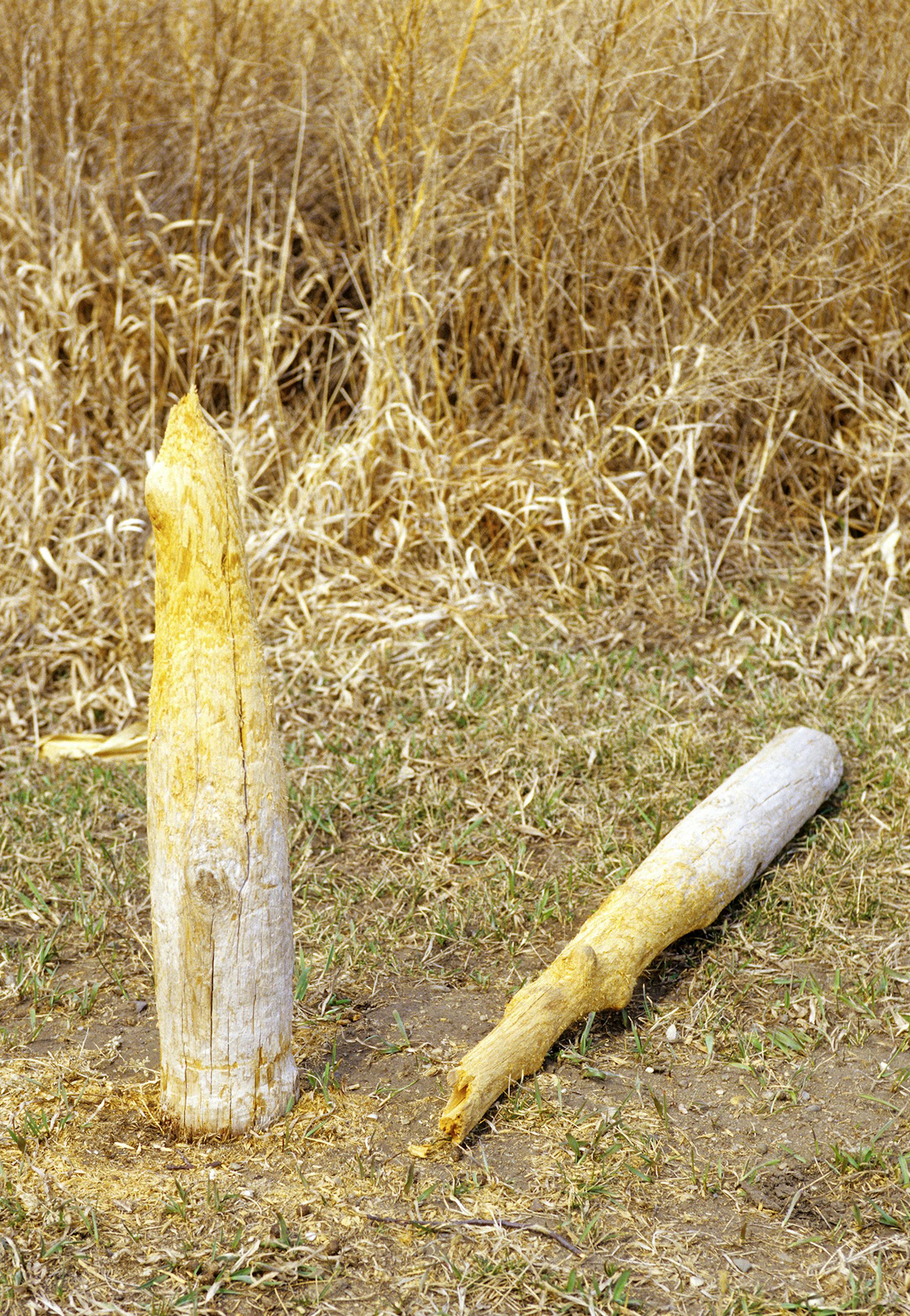
Several years ago during a pheasant hunting is South Dakota, I found a 6-inch diameter post that had been heavily rubbed by bucks. The solid cedar post had been rubbed so often over the years that it was the shape of an hourglass. The turf below the post was gouged and torn by many sharp hoofs from the bucks doing the rubbing. I also noted fine shavings of wood at the base.
I found the wood to be very dense and hard. I attempted to gouge the post with my thumbnail to no avail. I stood in awe, and wondered just how many bucks had rubbed the post over the years, and tried to envision the size of their antlers.
Years passed, and at every opportunity I would check on the rub post. Upon each inspection the center of the post had decreased in diameter. Then one year I found the post had finally been rubbed to a point where it had broken off at the thinnest point.
Some posts get more attention than others, such as those near food sources or those along travel routes. Most deer biologists agree a "buck rub" is a visual as well as an olfactory signpost to other deer. As bucks rub, they leave scent from glands on their forehead, and from a gland just in front of the eye called the preorbital gland. In a way, post-rubbing contradicts the visual aspect of antler rubs because a rubbed post is not nearly as obvious as a rubbed tree sapling. Bucks begin to rub their antlers in early September, but the peak of rubbing occurs in late October just before the early November rutting climax.
It's easy to understand why bucks would use a post for antler rubbing in areas where trees and shrubs are at a premium, such as on a prairie. But I've noticed even bucks near my home in the forested region of central Minnesota sometimes choose to rub on fence posts or sign posts when there are seemingly prime rubbing saplings nearby. I've even observed where bucks have rubbed on snowmobile trail markers posts after they had been painted orange. And, yes, occasionally even on telephone poles. I also noticed that a post may stand for years without use, but once bucks start to use a post for rubbing, it seems they will continue to do so in future years.
I know of deer hunters who place rub posts in sprawling grasslands and cattail marshes to attract bucks that would otherwise travel the featureless terrain at random. Those rub posts become a hub for a number of converging deer trails, almost as if every buck traveling nearby can't help but alter its route to rub on or at least check out a rubbed post.
I have placed rub posts near young trees on my acreage. I have planted in an attempt to protect my saplings from damage caused by bucks. My efforts haven't been successful. One problem is most rub posts are used by mature bucks. Because the state Department of Natural Resources chooses to manage deer for numbers in most of Minnesota, the herd is skewed heavily toward does and immature bucks. A mature buck is an extremely rare commodity. That antiquated deer management system is now being scrutinized and hopefully will be changed because deer biologists from across the country agree a healthy deer herd should include mature bucks.