

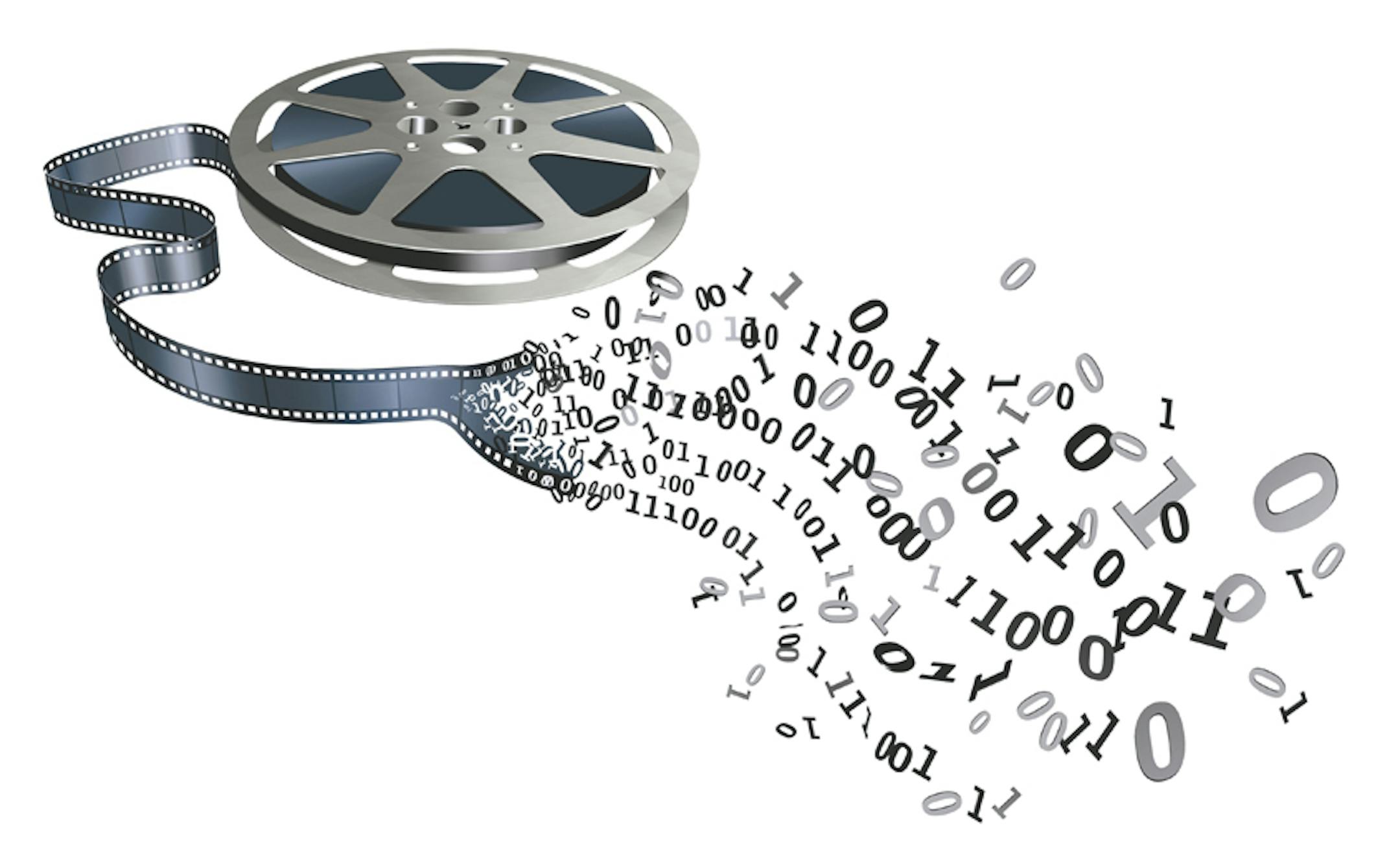
The film industry is in the process of completing its most significant change since the 1930s, when "talkies" replaced silent films. In about a year's time, every theater across the nation must convert to digital cinema -- gutting current infrastructure and replacing it with expensive new technology.
The demand comes from film studios, such as Warner Bros. and Paramount, which will save billions in production and shipping costs by putting their movies on lightweight computer hard drives instead of on heavy, physical film prints.
According to the National Association of Theater Owners, many independent theaters are "in a pinch" as they scramble to finance such a complex project. Digital cinema requires computer servers, software management systems, and 3D screens for 3D entertainment. And, of course, digital cinema demands digital projectors that cost around $75,000 each.
Simply put, Minnesota's small-town and historic theaters are between a rock and a hard place. Many cannot afford the switch to digital technology, and when film prints are no longer available, they will likely go under.
It's up to the film studios to keep these theaters alive, either by extending the window to convert to digital cinema or by developing programs to help finance small-scale theaters.
Ever since its introduction in 1999, digital cinema has been viewed as the future of the film industry. Despite this, many theater owners have had little incentive to make the switch. Digital cinema saves money for the studios, not for the theaters.
To get some perspective on just how much the studios will save from this conversion, consider that each film print made and shipped costs at least $900. A widely released film is shipped to around 3,000 theaters. That's more than $2.5 million for a single movie. It's no wonder the studios are pushing for a digital conversion.
And to their credit, the studios are no bullies. In an attempt to help theaters transition to digital cinema, they have taken their savings and implemented something called a Virtual Print Fee (VPF) model.


