
Changes in Endangered Species Act would give states more power

But broad changes by Congress are considered unlikely.

The Associated Press
February 4, 2014 at 11:25PM
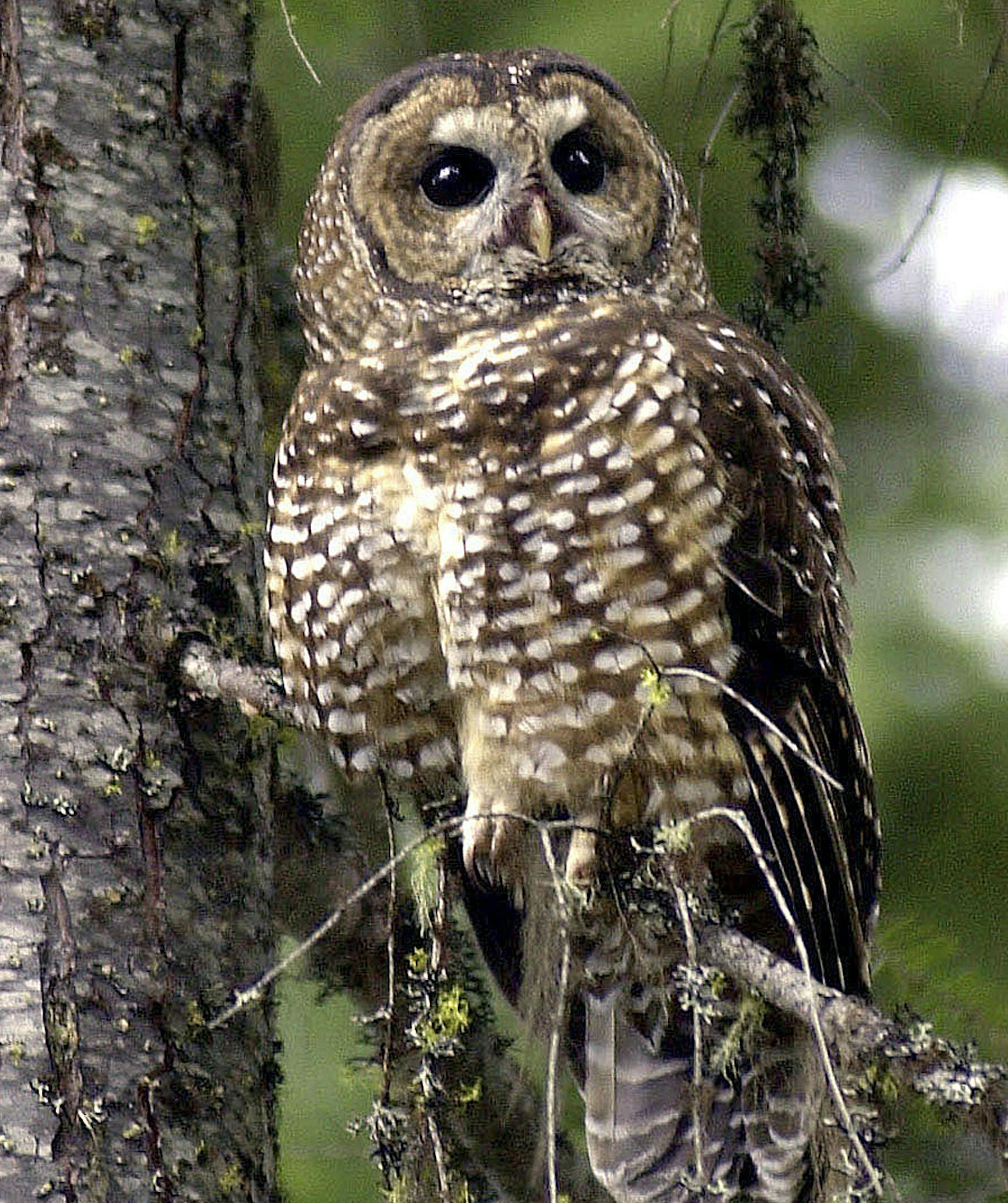
FILE - In this May 8, 2003, file photo, a northern spotted owl sits on a tree in the Deschutes National Forest near Camp Sherman, Ore. In forty years, the U.S. government has spent billions of dollars trying to save some 1,500 species deemed endangered. House Republicans say that's translated into just 2 percent of protected species being recovered, and they want to overhaul the Endangered Species Act. Environmentalists and many Democrats credit the act with saving species from extinction. (AP P
The northern spotted owl, left; gray wolf, center; and bald eagle, right; are among the 1,500 endangered species the U.S. government has spent billions of dollars trying to save. (The Minnesota Star Tribune)

BILLINGS, Mont. – Republicans in Congress on Tuesday called for an overhaul to the Endangered Species Act to curtail environmentalists' lawsuits and give more power to states, but experts say broad changes to one of the nation's cornerstone environmental laws are unlikely given the pervasive partisan divide in Washington.

A group of 13 GOP lawmakers representing states across the U.S. released a report proposing "targeted reforms" for the 40-year-old federal law, which protects imperiled plants and animals.

Proponents credit the law with staving off extinction for hundreds of species — from the bald eagle and American alligator to the gray whale. But critics contend the law has been abused by environmental groups seeking to restrict development in the name of species protection.

Led by Rep. Cynthia Lummis of Wyoming and Rep. Doc Hastings of Washington state, the Republicans want to amend the law to limit litigation from wildlife advocates that has resulted in protections for some species.

And they want to give states more authority over imperiled species that fall within their borders. Also among the recommendations are increased scientific transparency, more accurate economic impact studies and safeguards for private landowners.

The Republicans said only 2 percent of protected species have been recovered despite billions of dollars in federal and state spending.

"The biggest problem is that the Endangered Species Act is not recovering species," Hastings said.

The political hurdles for an overhaul are considerable. The Endangered Species Act enjoys fervent support among many environmentalists, whose Democratic allies on Capitol Hill have thwarted past proposals for change.

Signed into law by President Richard Nixon in December 1973, the act has resulted in additional protections for more than 1,500 plants, insects, mammals, birds, reptiles and other creatures, according to the Fish and Wildlife Service.

Throughout its history, the law has faced criticism from business interests, Republicans and others. They argue actions taken to shield at-risk species have hampered logging and other economic development.

Complaints grew louder in recent months after federal wildlife officials agreed to consider protections for more than 250 additional species in settlements of lawsuits brought by environmental groups.

The endangered act was last amended in the 1980s. Given the current level of rancor between Democrats and Republicans, academics who track the law were skeptical that the latest calls for change would succeed.


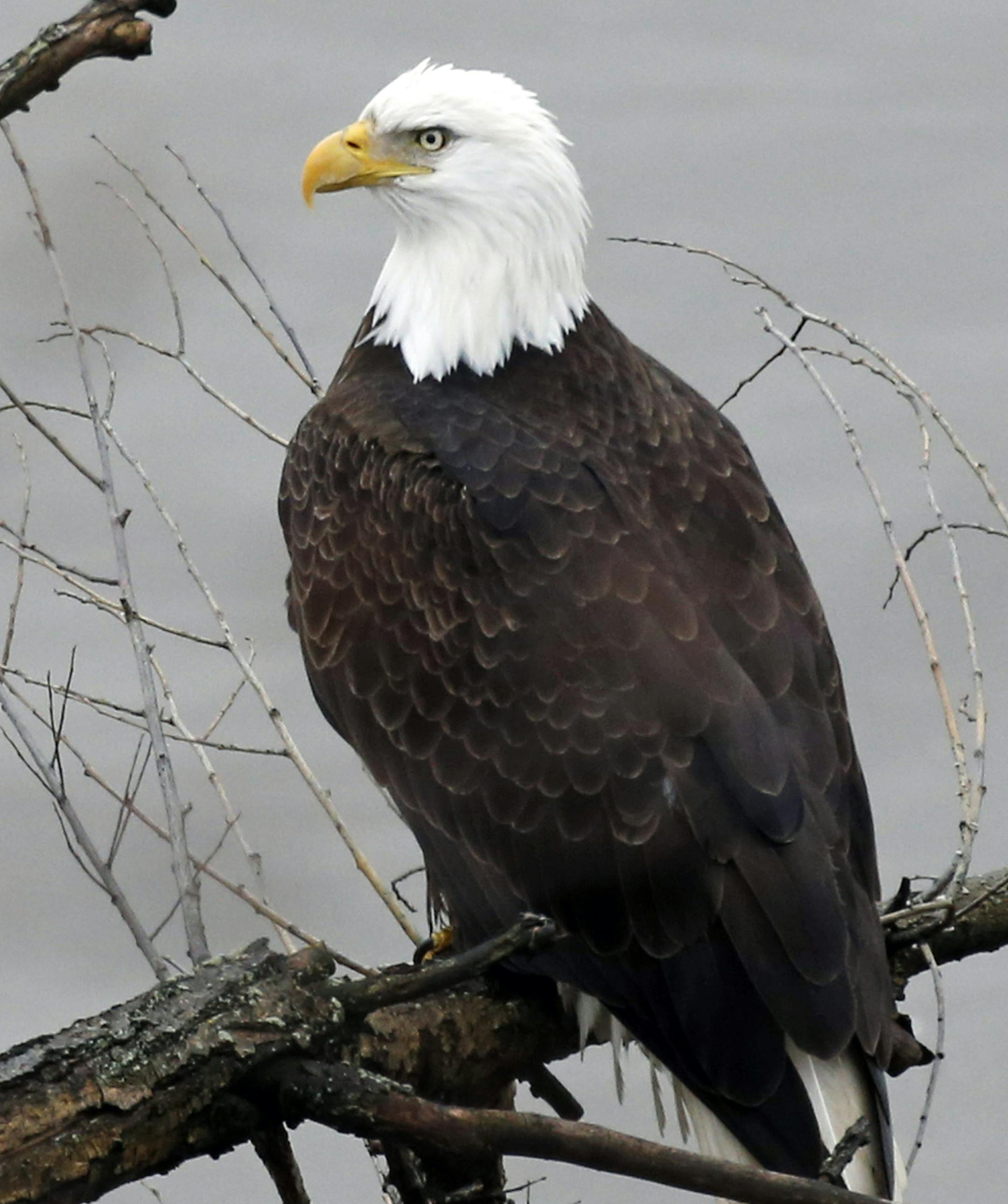
File-This Jan. 14, 2014 file photo shows a bald eagle sits on a branch overlooking the Allegheny River on the Northside of Pittsburgh. In forty years, the U.S. government has spent billions of dollars trying to save some 1,500 species deemed endangered. House Republicans say that's translated into just 2 percent of protected species being recovered, and they want to overhaul the Endangered Species Act. Environmentalists and many Democrats credit the act with saving species from extinction. (AP P
File-This Jan. 14, 2014 file photo shows a bald eagle sits on a branch overlooking the Allegheny River on the Northside of Pittsburgh. In forty years, the U.S. government has spent billions of dollars trying to save some 1,500 species deemed endangered. House Republicans say that’s translated into just 2 percent of protected species being recovered, and they want to overhaul the Endangered Species Act. Environmentalists and many Democrats credit the act with saving species from extinction. (AP Photos, File) (Gene J. Puskar/The Associated Press)
FILE - In this July 16, 2004, file photo, is a gray wolf at the Wildlife Science Center in Forest Lake, Minn. In forty years, the U.S. government has spent billions of dollars trying to save some 1,500 species deemed endangered. House Republicans say that's translated into just 2 percent of protected species being recovered, and they want to overhaul the Endangered Species Act. Environmentalists and many Democrats credit the act with saving species from extinction. (AP Photo/Dawn Villella, File)
FILE - In this July 16, 2004, file photo, is a gray wolf at the Wildlife Science Center in Forest Lake, Minn. In forty years, the U.S. government has spent billions of dollars trying to save some 1,500 species deemed endangered. House Republicans say that's translated into just 2 percent of protected species being recovered, and they want to overhaul the Endangered Species Act. Environmentalists and many Democrats credit the act with saving species from extinction. (AP Photo/Dawn Villella, File) (The Minnesota Star Tribune)
about the writer

about the writer

Matthew Brown