

Opinion editor's note: Editorials represent the opinions of the Star Tribune Editorial Board, which operates independently from the newsroom.
•••
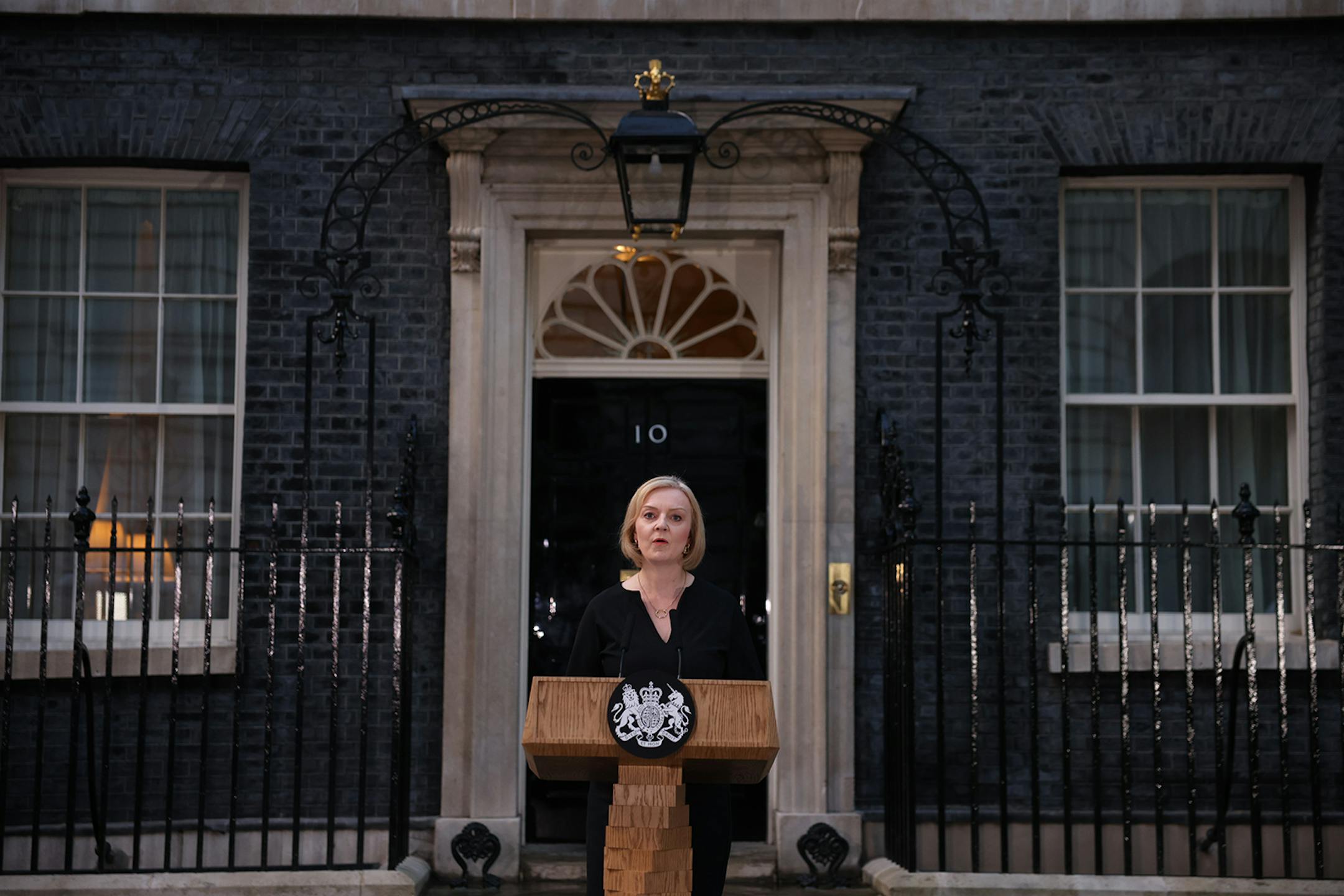
Liz Truss had all of two days as Britain's new prime minister before she was thrust into the international spotlight after the death of Queen Elizabeth II.
While the global glare was undoubtedly challenging in its own right, now comes the really hard part: governing a country buffeted by economic and geopolitical challenges.
Truss convinced Conservative Party members she was the best candidate for Britain's top job. British citizens may be more circumspect, mainly due to Truss' policy shifts during her meteoric rise.
Some of the evolutions Truss herself has chalked up to youth, including her college days as an anti-monarchist member of the Liberal Democratic Party (which is more centrist than the name would imply in the U.S.), a position she no longer holds.
Other shifts, however, are more recent — and revealing. "I think the British people are sensible people," Truss said as Britons considered the 2016 Brexit referendum. "They understand fundamentally that economically, Britain will be better off staying in a reformed [European Union]."
Unfortunately, not enough voters were sensible, and Truss pivoted from her principles to become a committed, and convenient, Brexiteer.


