It's known as Adventure Learning, but you could also call it reality education.
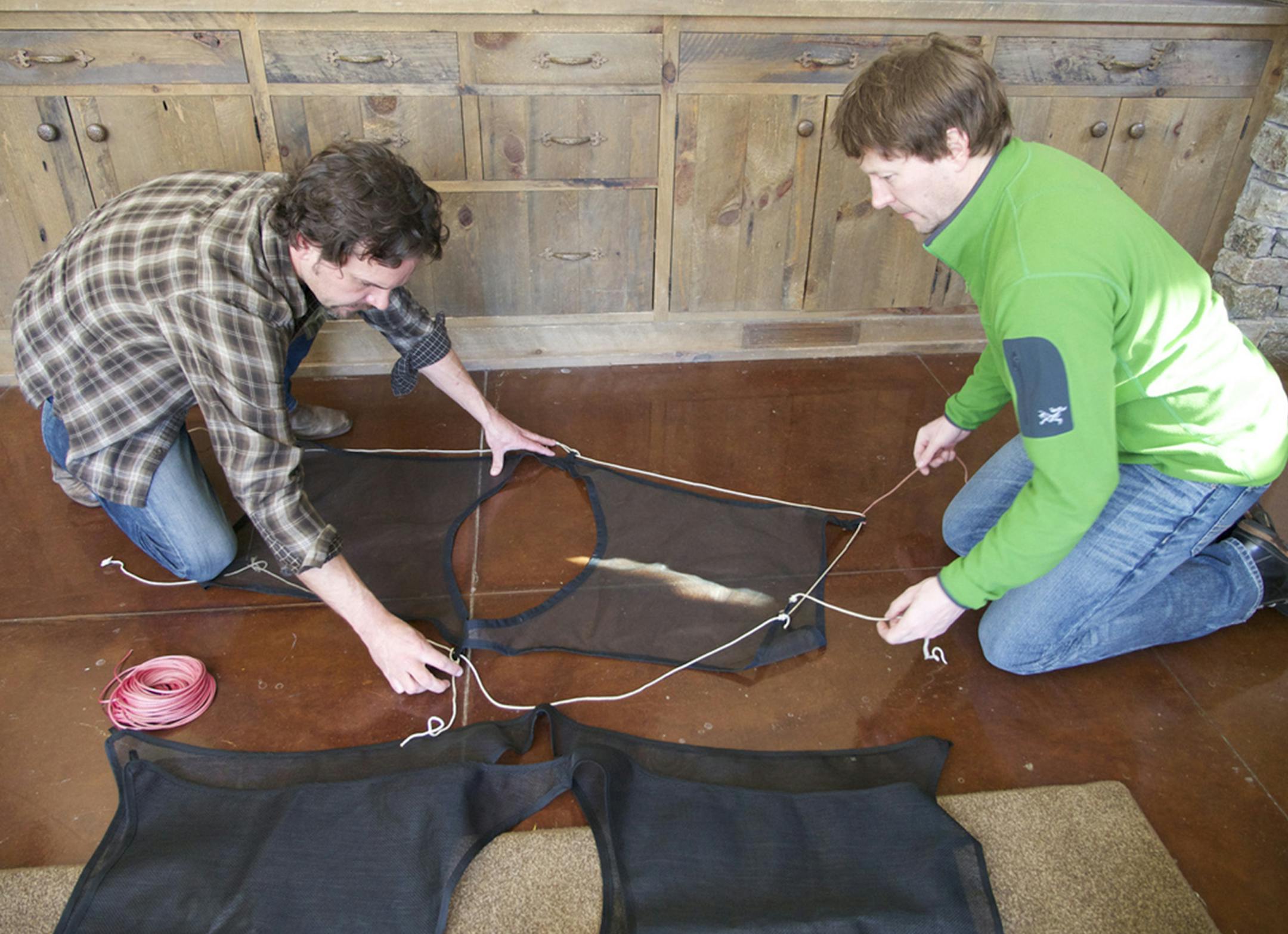
Here's the script: Fly a group of Minnesota teachers to the unforgiving terrain of the Canadian Arctic. Send along sleds with nearly 200 pounds of gear for them to pull.
Outfit them with solar-powered computers and a satellite phone, and let students sitting in classrooms watch as they traverse 150 miles of granite, ice and snow on skis.
Oh, and don't forget about the polar bears.
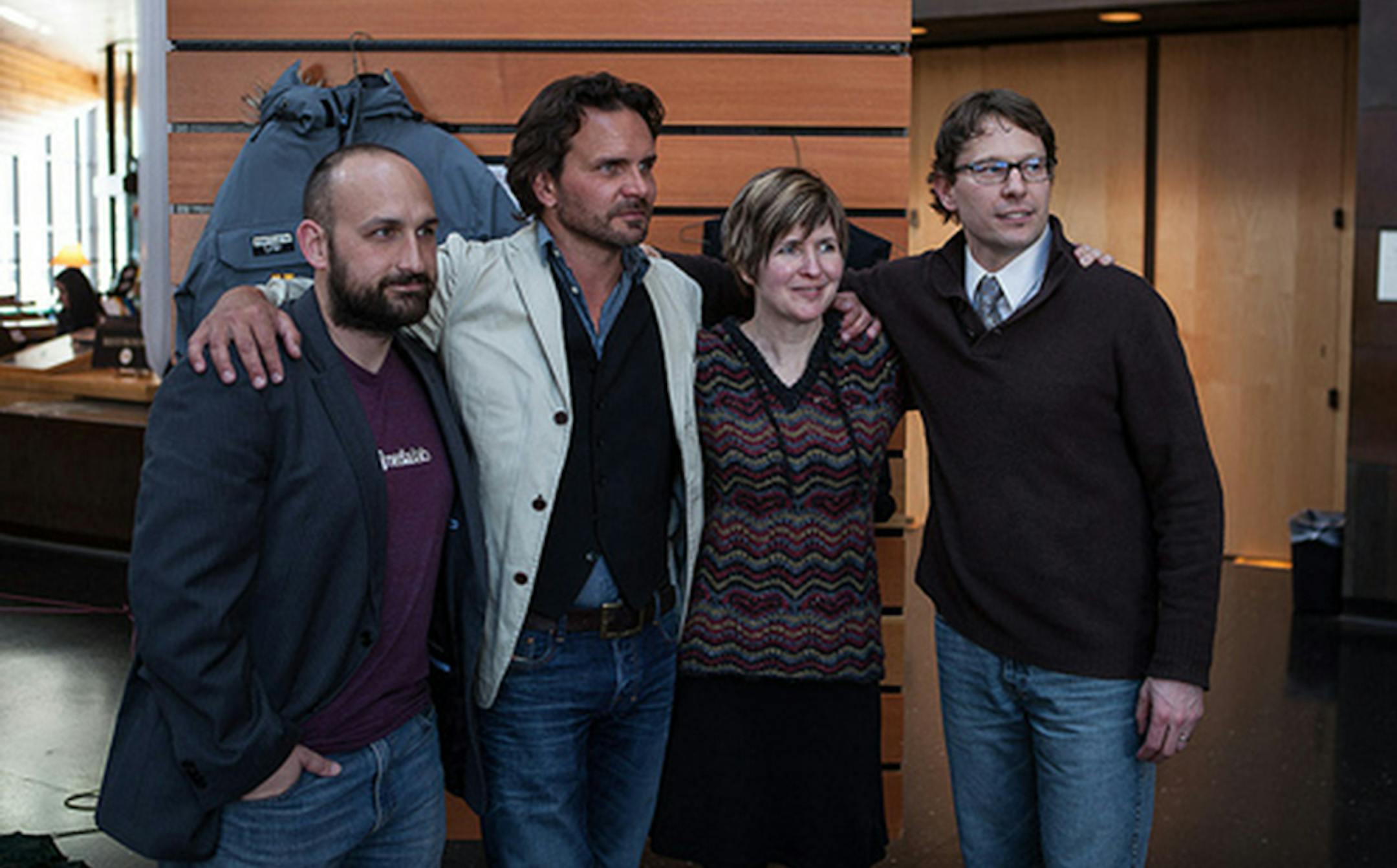
University of Minnesota faculty member Aaron Doering — credited with coining the Adventure Learning concept — and Centennial High geography teacher Chris Ripken are leaving for the Canadian Arctic today as part of a five-person team called North of Sixty. They'll be traveling in Auyuittuq National Park on Baffin Island on Canada's east coast, where they plan to help Inuit children document their families' heritage and how it's been affected by climate change. The island is about 1,000 miles from Greenland.
The mission of North of Sixty is twofold. First, it's intended to create a global tapestry of climate stories that documents the history and culture of Arctic communities and preserve their voices and ecological knowledge. Schoolchildren in the Arctic regions of Canada, Russia, Finland and Alaska will all share their families' stories.
The second objective is to use technology and real-life epic adventures to create a generation of insatiable learners.
"People ask 'what am I afraid of?' There are two things — the wind and polar bears," said Doering, associate professor in the Learning Technologies.