

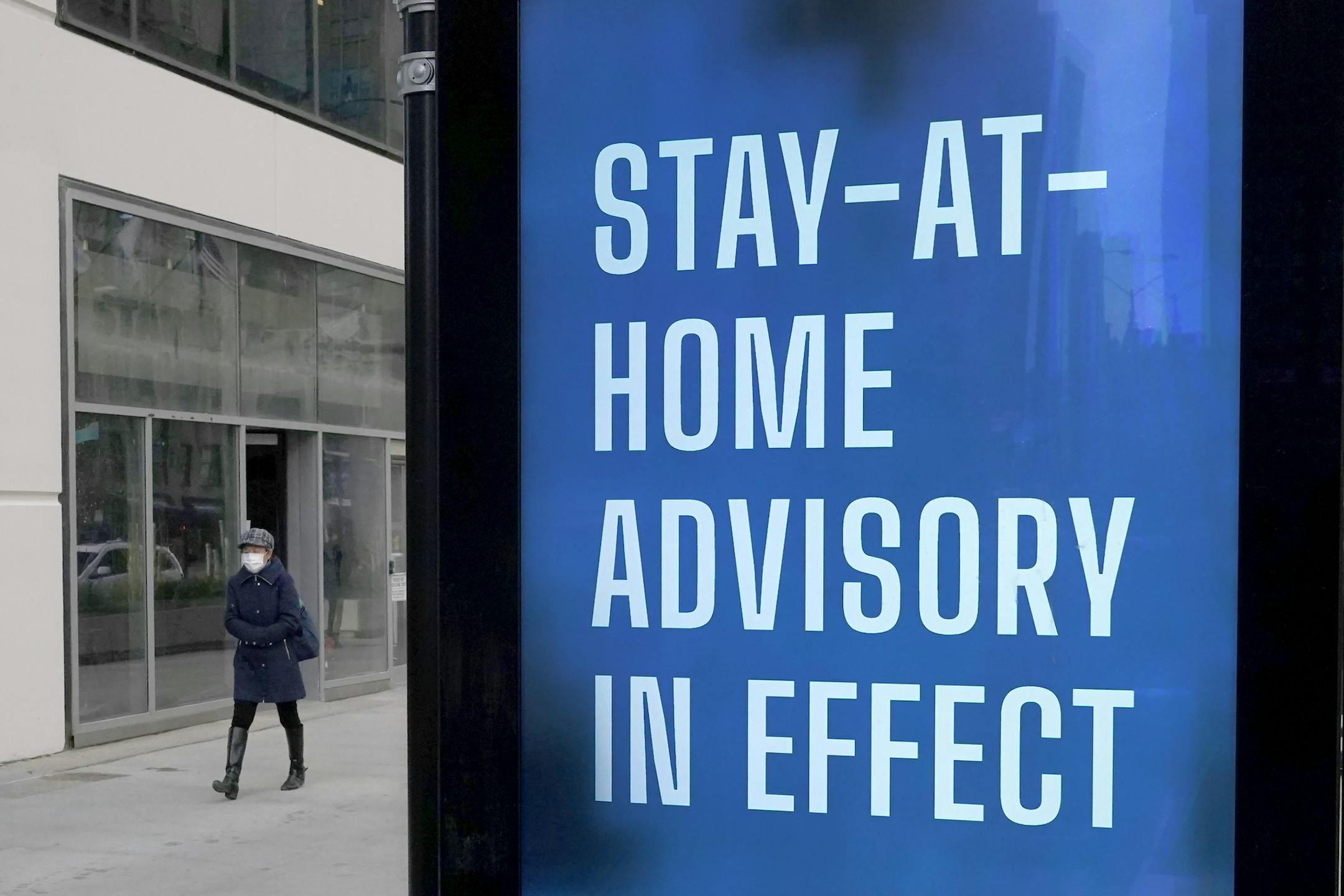
It's a tough blow for Americans that the Centers for Disease Control and Prevention (CDC) has more or less urged us to cancel Thanksgiving this year, but good news for the world that the agency is back in the driver's seat when it comes to public messaging on the pandemic.
Without the CDC's grounding influence, advice about the pandemic has been divisive and confusing. The most popular news stories on social media are meant not to inform, but to generate outrage. That's diverted far too much focus to joggers, beachgoers and protesters.
Contact tracing studies are showing the disease is being spread primarily by people gathering indoors in private settings — at weddings, baby showers, birthday parties and holiday dinners. When people are with family and friends, they feel comfortable gathering closer for longer, which makes disease transmission more likely.
It's too bad the new Thanksgiving guidelines came so late, after many people made plans. But the change was necessary. In most parts of the U.S., the odds are higher than ever that someone at a Thanksgiving gathering unknowingly has the virus. And it's only within the last couple of weeks that the situation has gotten this dire: New confirmed cases were 74,000 on Nov. 1 and 187,000 on Nov. 19.
It's the nature of an exponentially expanding disease that it can move slowly at first and then suddenly start accelerating. "Public health guidance has to evolve too," says Harvard epidemiologist William Hanage. "The risks of infection now are very different from what they were in, say, August, and as a result public health advice has to move with it."
And Thanksgiving dinners tend to bring generations together in a way that other sorts of social events don't. While any COVID patient can get sick enough to need hospitalization, people over 70 are vastly more likely to end up in a hospital, an ICU, or the morgue.
The CDC could do even better, though. They shouldn't just tell people what not to do, but why. People are less likely to follow rules that seem arbitrary. We also resent rules that seem concocted to make politicians look like they're doing something, like travel restrictions and curfews. When the CDC makes a recommendation, it needs to explain why following it would likely keep people from being hospitalized or dying from COVID-19. What you want to do, Hanage says, is help people understand how the disease is spreading and what to do to prevent it.
That should mean a newfound focus on limiting social contacts. The reality is that people are unlikely to wear masks at social gatherings. And you can't wear a mask while eating. Most Americans have gotten the message that all would be fine if everyone wore a mask in public. But talking face-to-face with others, says Hanage, is a much more likely disease-spreading activity than, say, passing on the street. And so it's been private gatherings that are driving the current surge.


