

ROCK
Metallica, "Hardwired ... To Self-Destruct" (Blackened)
Metallica's first studio album in eight years is joyless, anxious and grim, which means it's both a typical Metallica album and an accurate reading of the national mood. Many artists roar out of hiatus with something shiny and grand, but there's nothing novel about "Hardwired." It's a solid collection of mostly uncomplicated songs — a short double album that could easily have been a single album.
Metallica fans are prone to factionalism: Most favor the band's early, underground, thrash-happy years. Others prefer the band's post-mainstream-crossover period. "Hardwired" works hard to please both constituencies, continuing a legacy reclamation process begun on 2008's "Death Magnetic," produced by rock-star whisperer Rick Rubin. To enlist Rubin is a public admission that you need help returning to your better self. For Metallica, this means reemphasizing its unmatched technical skills and its capacity for brute force.
Metallica doesn't have to travel far to get back home. They've conceded nothing to middle age except the outer edges of singer James Hetfield's register. Its core sound, a familiar fusillade of melodic metal and volcanic riffage served on a bed of punk and blues, has also aged well. Just about anything on "Hardwired" would have sounded contemporary five years ago, and will five years from now, with the exception of "Murder One," a surprisingly gentle eulogy for Motorhead's Lemmy Kilmister, and "Moth Into Flame," a tour-de-thrash of harmonies and anthemic choruses and righteous indignation that Hetfield has said was inspired by Amy Winehouse.
The album ends with the mighty, monumental "Spit Out the Bone," which ponders man's eventual enslavement by machines, something only metal bands and Michael Bay seem to take seriously. Blistering and complex, it's the fullest example of what Metallica may still become, and not just what they've lost.
ALLISON STEWART, Washington Post
COUNTRY
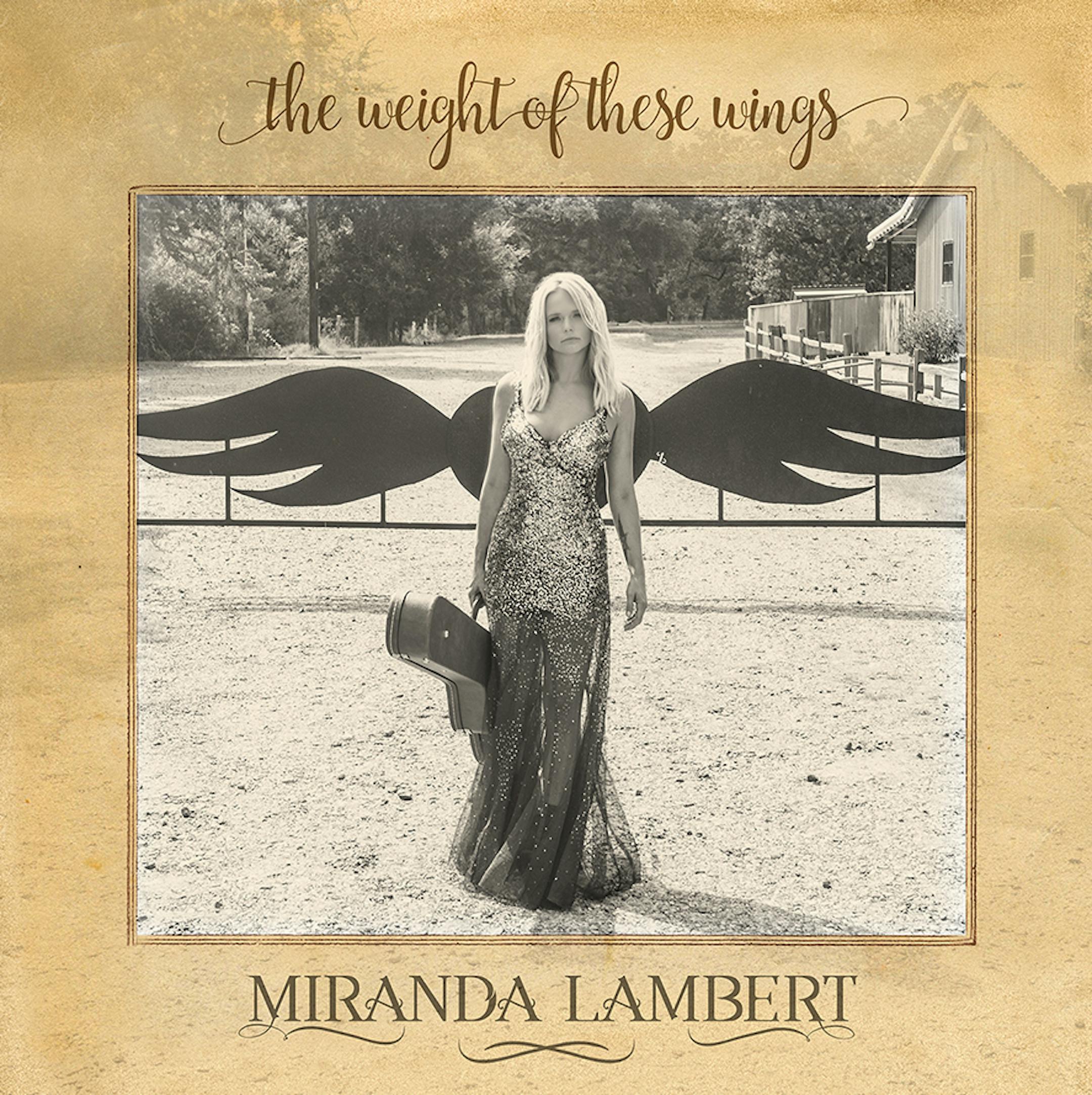
Miranda Lambert, "The Weight of These Wings" (RCA Nashville)
Yes, this is Lambert's first album since divorcing Blake Shelton. And yes, it is filled with songs about romantic skepticism and how the first steps you take after an old love breaks are tentative and fragile. Yet this double album isn't so much about Lambert's relationship to Shelton as it is about hers to the Nashville mainstream.


