

We've been hearing for a long time about how much the fifth generation of wireless service will speed up and smooth out our internet-dependent lives, and now the moment has …
… not completely arrived.
But it is quite a mess.
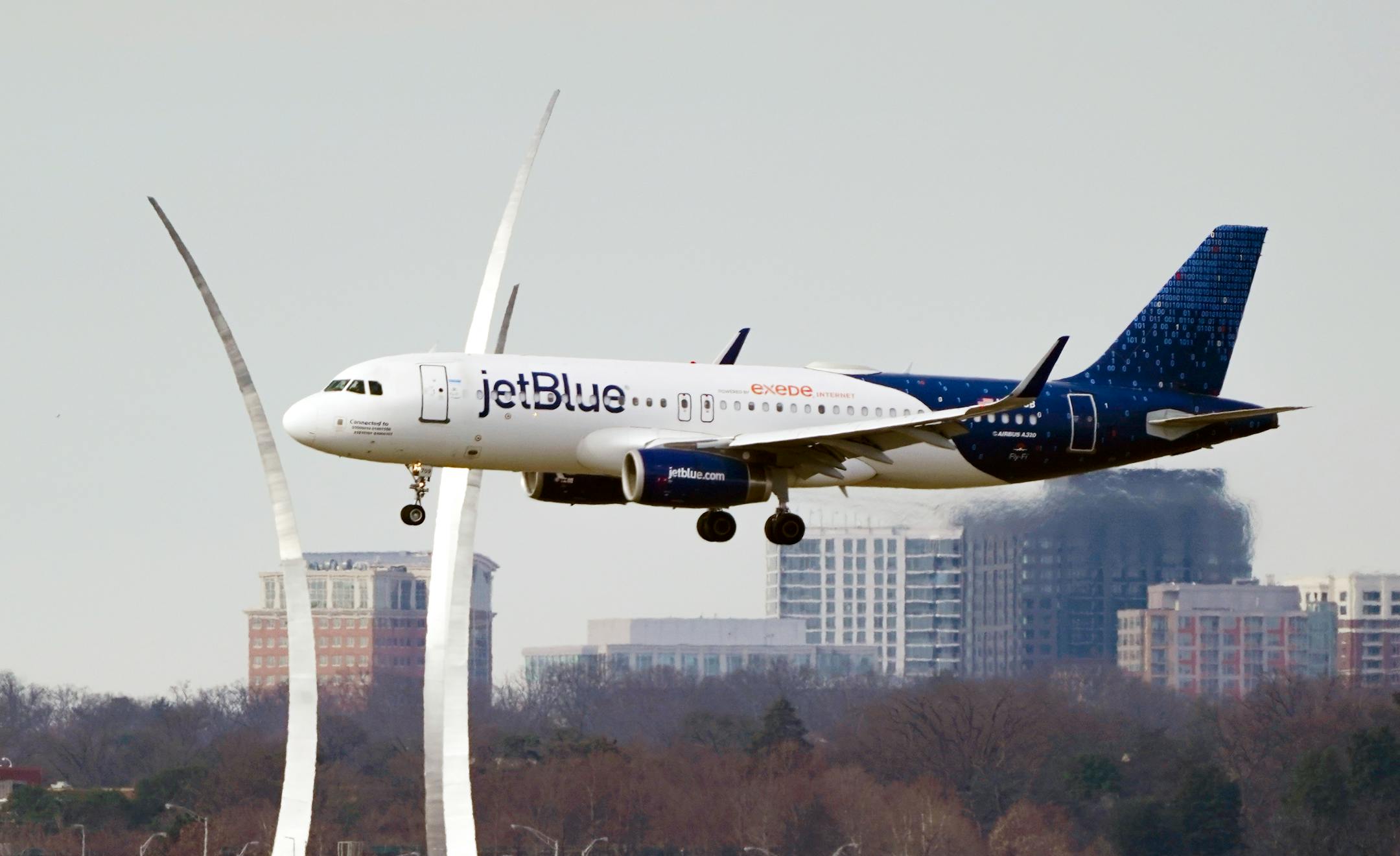
Overseas airlines with flights heading to this country canceled some of them on Wednesday or changed the type of planes they were flying because of uncertainty surrounding the rollout. U.S. airlines and shipping companies have warned for weeks that use of the new 5G spectrum near airports could cause "catastrophic disruption," not just to personal and business travel but also to supply chains.
This despite the fact that AT&T and Verizon, which were ready to flip the 5G switch in many cities on Wednesday, agreed not to do so near key airports, after having already delayed the general rollout twice before in recent weeks under pressure from the Federal Aviation Administration and the Transportation Department.
And all that despite the fact that the mobile providers got permission from the Federal Communications Commission two years ago to use the slice of radio frequency known as the C-band and spent tens of billion of dollars in a government auction to acquire it.
Attribute it to the inefficiency of government agencies. Or to living in a nation that can make wild ideological swings when it changes presidents — the FCC's approval came under the regulation-averse Trump administration, and the FAA's objections under the regulation-amicable Biden administration.
But, mostly, attribute it to a willingness to err on the side of caution if there's a chance an airplane might crash.


