

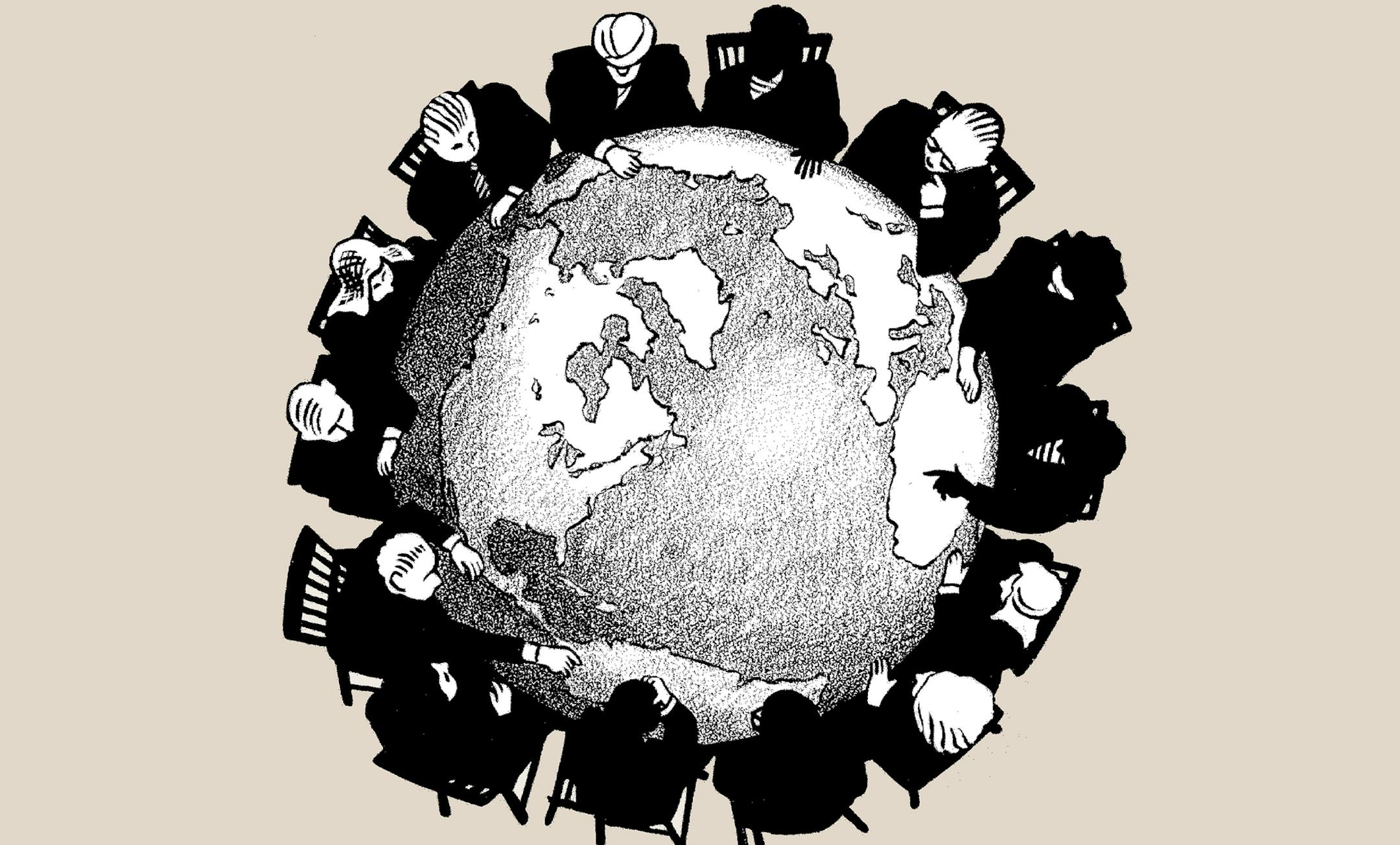
Globalism is getting tangled in the World Wide Web. In fact, the Internet's disruptive impact on foreign policy is changing diplomatic and defense strategies worldwide.
That was the theme that transcended last week's World Affairs Councils of America conference, the subject of this month's Minnesota International Center's Great Decisions dialogue. The Washington, D.C., conference featured keynote speeches by Supreme Court Associate Justice Stephen Breyer and Sen. Kelly Ayotte, R-N.H., as well as analysis from several of Washington's, if not the world's, foremost foreign-policy experts. They provided a global perspective on the economic, security and diplomatic dynamics shaping the Mideast, energy, education, cybersecurity, the virtual economy and human trafficking.
Even before the World Affairs conference, of course, the impact of the Internet was a hot topic in Washington. Victoria Nuland, the U.S. assistant secretary of state for European and Eurasian affairs, focused on National Security Agency surveillance in a speech last week at the Atlantic Council.
"The president is determined to get the balance right between our citizens' security and their privacy," Nuland said. "… But make no mistake: The intelligence work we do — much of it jointly with allies and partners — has foiled terrorist plots on both sides of the Atlantic and kept us all safer."
Safer? Perhaps. But not necessarily closer.
The Edward Snowden disclosures may derail planned Pacific and Atlantic trade pacts. The release of a leaked negotiated draft of the Trans-Pacific Partnership's Intellectual Property Rights Chapter only adds complexity. "If instituted, the TPP's IP regime would trample over individual rights and free expression, as well as ride roughshod over the intellectual and creative commons," WikiLeaks founder Julian Assange said in a statement.
Getting the security-privacy balance right isn't just a crucial concern for Foggy Bottom: Silicon Valley is experiencing the international impact, too.
The NSA revelations "have changed things," David Drummond, chief legal counsel at Google, told the conference. "There is obviously this paramount question of balance between security and civil liberties. … But there is an economic component that is not understood." His is a business of "trust," said Drummond. "It's really damaging for people to lose that trust. It's added more fuel to the fire to these government efforts to control the Internet around the world."


