

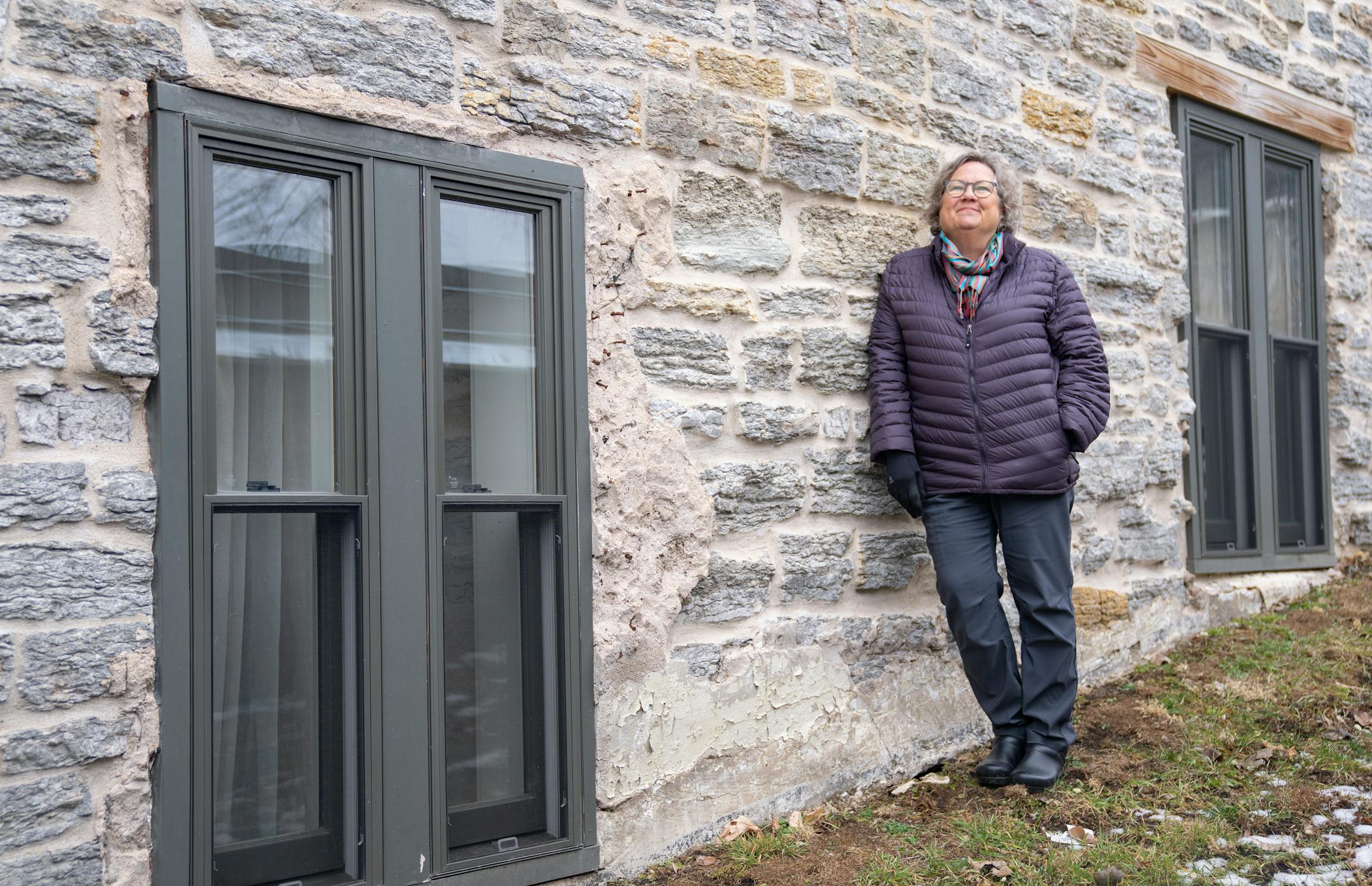
Often, historic preservation focuses on saving from demolition the grand, stately properties of the long-ago elite. To Carol Carey, preserving history also meant infusing new life into scores of St. Paul’s working-class houses and storefronts, one humble address at a time.
From Dayton’s Bluff to West 7th, Frogtown to Payne-Phalen, Carey’s work at the helm of Historic St. Paul focused on resurrecting old houses into new affordable housing in some of the capital city’s oldest neighborhoods. After 20 years leading nonprofit Historic St. Paul, Carey is retiring.
“Her work was not just about preserving properties. She has rekindled the history of the working-class families that made Frogtown what it is,” said Caty Royce, co-director of the Frogtown Neighborhood Association.
Jim Sazevich, a St. Paul housing historian who credits Carey for helping save his family’s home in Frogtown, said such properties are often overlooked. Not on Carey’s watch.
“She sees the potential in so many of the ugly ducklings. Preserving working-family homes is important because that is our history, our immigrant history,” he said. “She always had the ability to see the big picture.”
Carey has no training in preservation or development, she said. She became interested in preservation after moving into her husband’s Swede Hollow-area house after they got married, and she learned about aging homeowners who were thinking of selling their historic homes to developers with plans to demolish.
“We started finding like-minded people interested in older houses who appreciated what was here,” Carey said. “We viewed [history] as an asset, as opposed to a liability.”
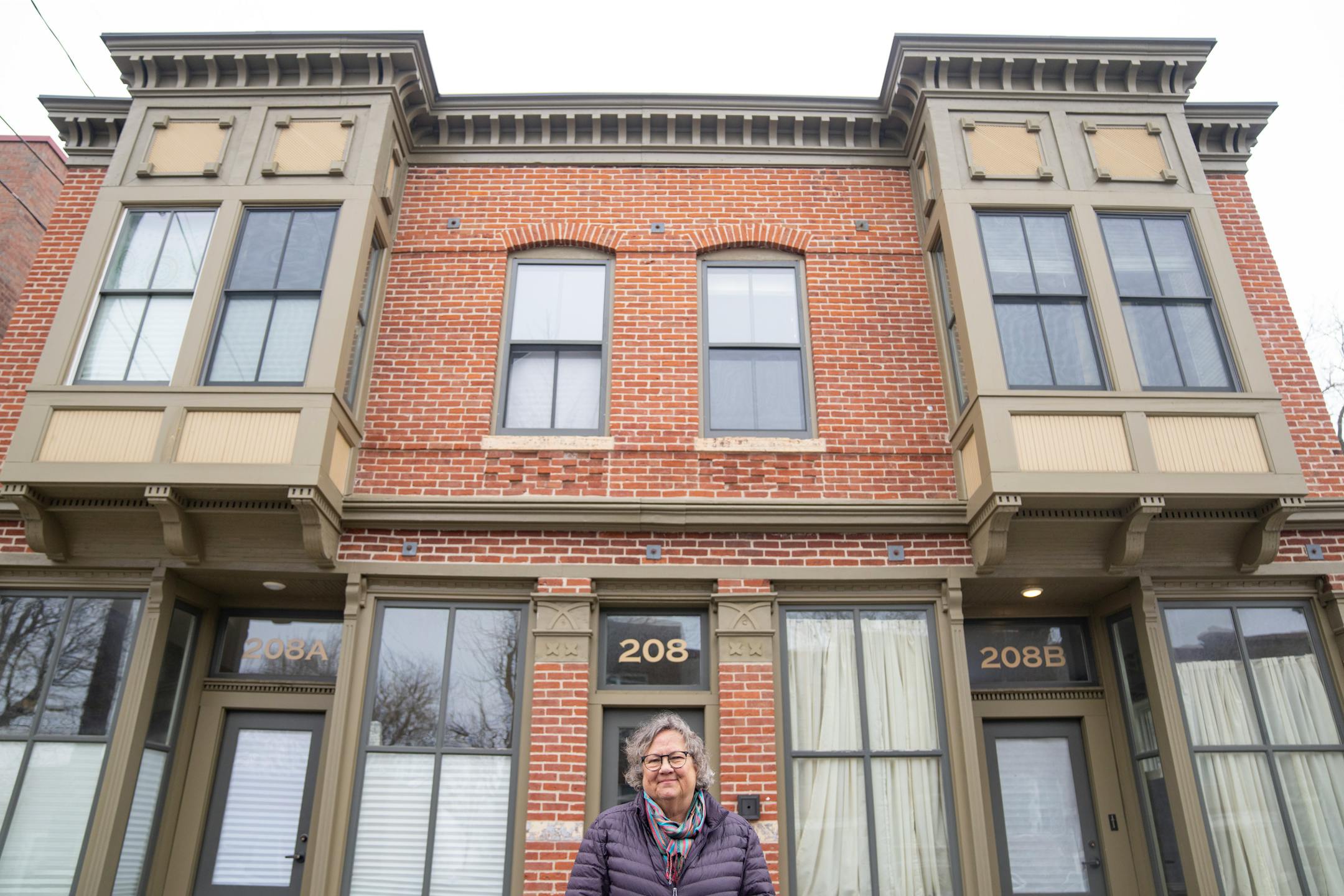
Rallying neighborhood support, residents helped create a heritage preservation district — St. Paul’s first in a working-class neighborhood, Carey said. In the years since, a number of historic properties have not only been saved from demolition but transformed into new commercial uses and affordable housing.


