Andrew Morrison | March 12th 2014 17:49 BT
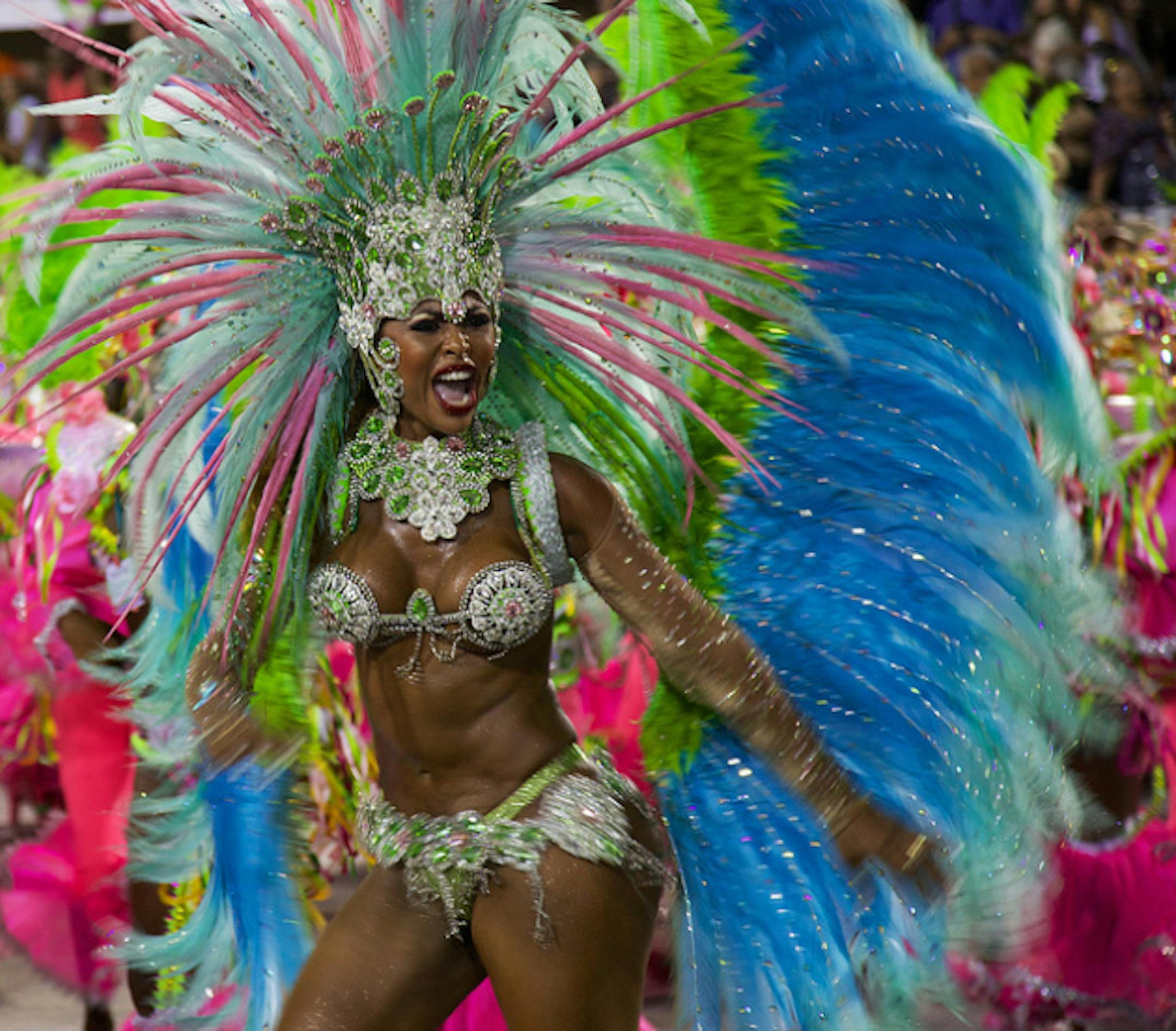
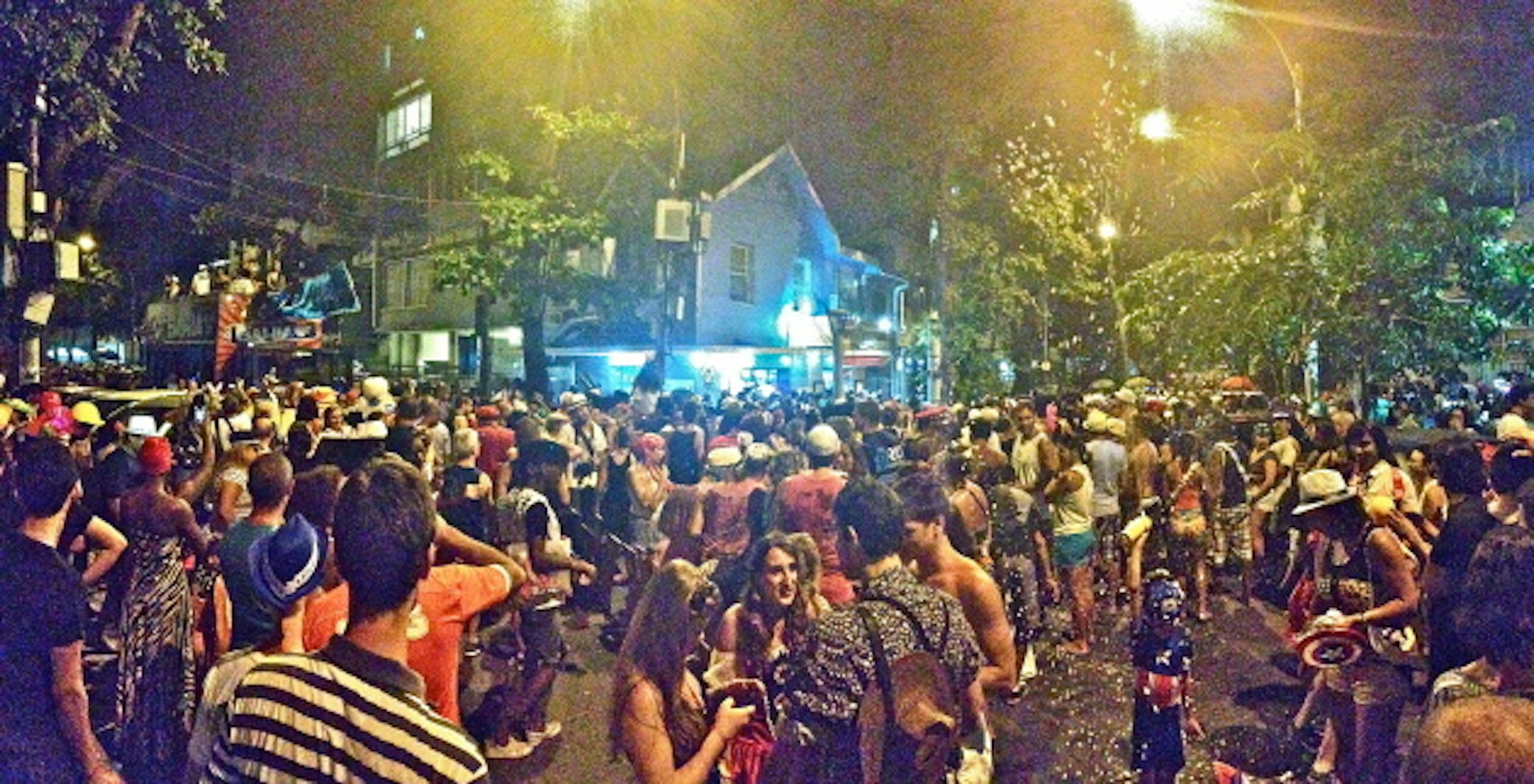
Two weeks ago, I woke up in Rio De Janeiro to a cacophony of samba music and streets flooded with elaborately costumed belligerent tourists while the residents of Rio went about selling fruit and stocking their shops. It was 7:30 in the morning and my week long Carnival experience was merely beginning. A strike among the waste management staff in Rio had left the streets covered in garbage but people continued to celebrate no matter what they were stepping on. Carnival is like the marriage of Halloween and ancient African traditions to an average tourist but I wondered how actual Cariocas, people from Rio De Janeiro, actually feel about the festivities. To understand the customs of the holiday, I will take you into my experience and offer resources for you to learn more about this remarkable and cultural celebration.
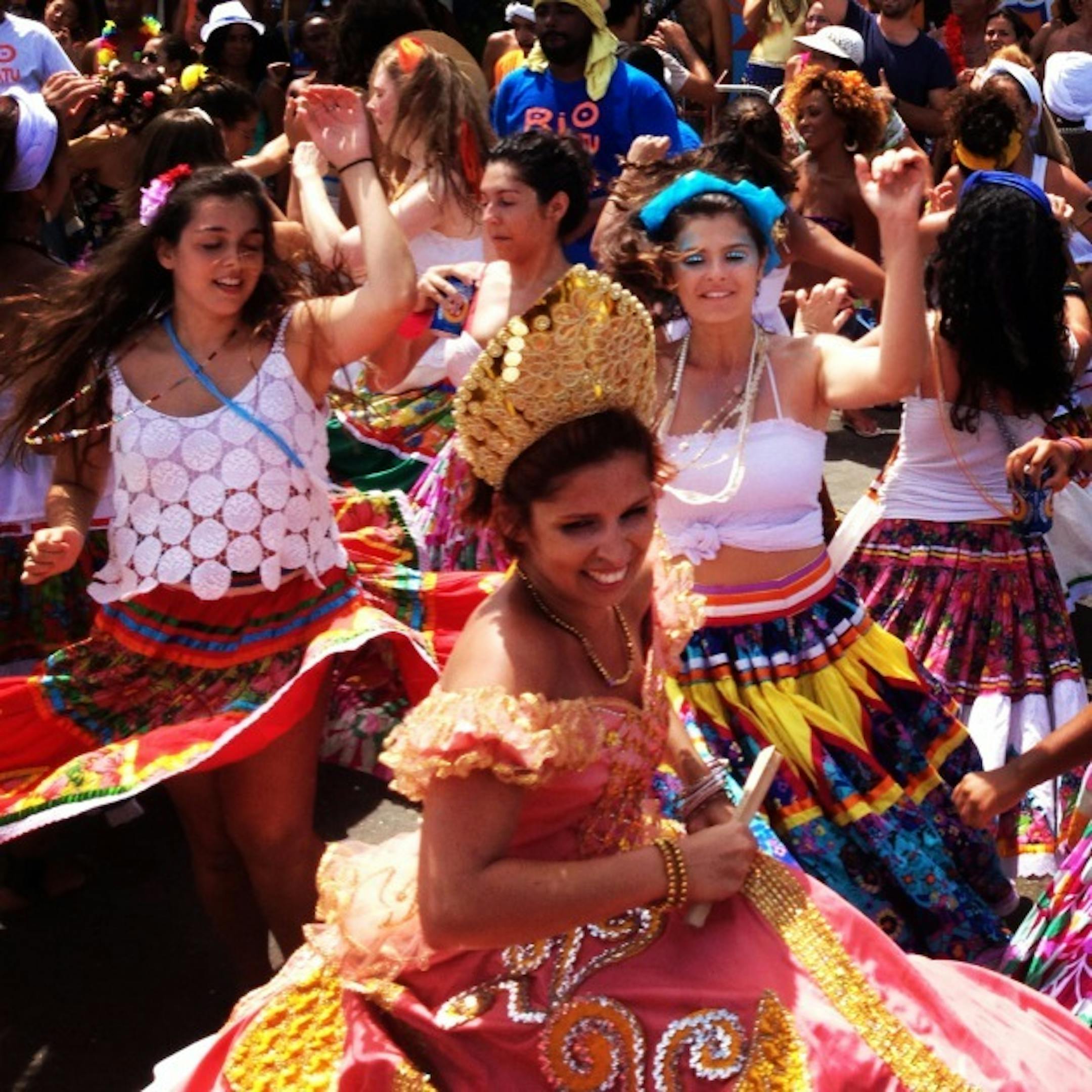
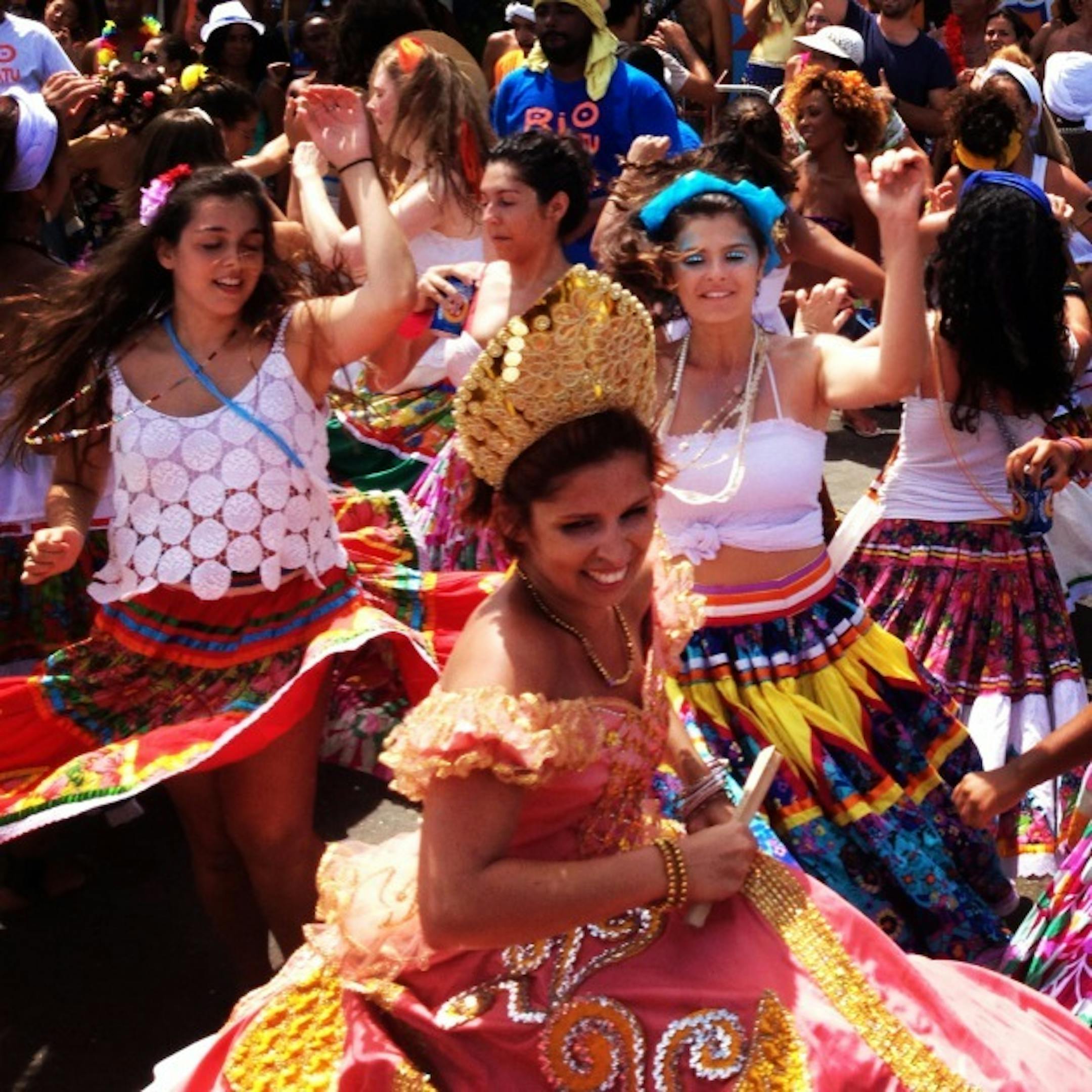
[Traditional dances at Ipanema Beach were just one of the many cultural performances open to the public to participate it - Credit: Andrew Morrison]
Story
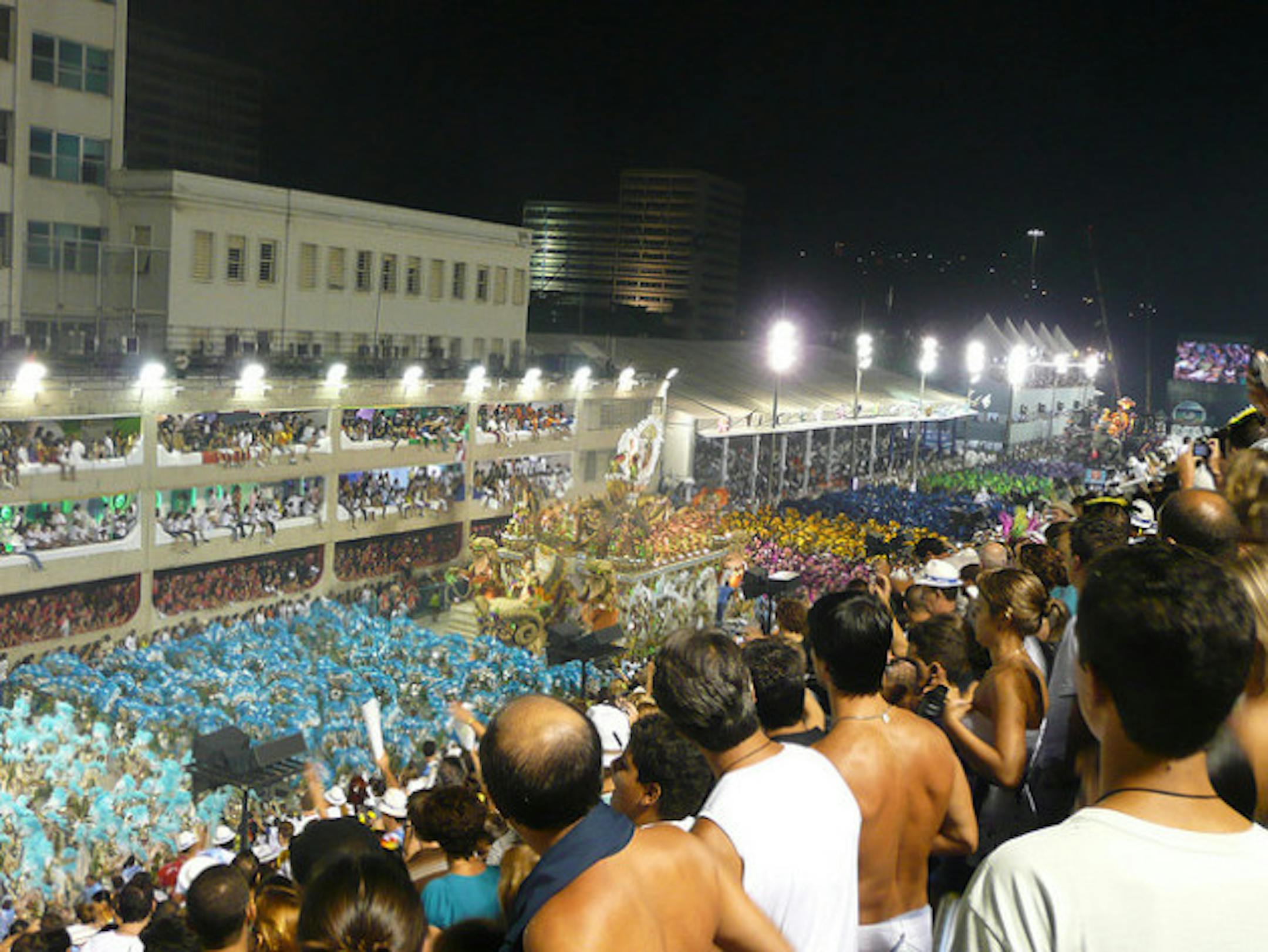
Carnival was derived from ancient Roman Catholic traditions and was transplanted to Rio De Janeiro during the 19th century. The mixture of cultures making up the population of Rio and the extravagant samba school parades are what makes Rio one of the most unique Carnival experiences in the world. Last year, Carnival attracted over 2 billion tourists and generated approximately 2.5 billion in revenue. In Rio, Carnival is big business. The celebration differs regionally however, with the greatest popularity occurring in the northeastern and southeastern regions of the country. The large cities in these regions basically shut-down during the week of Carnival which takes place Friday to the Tuesday before Ash Wednesday.
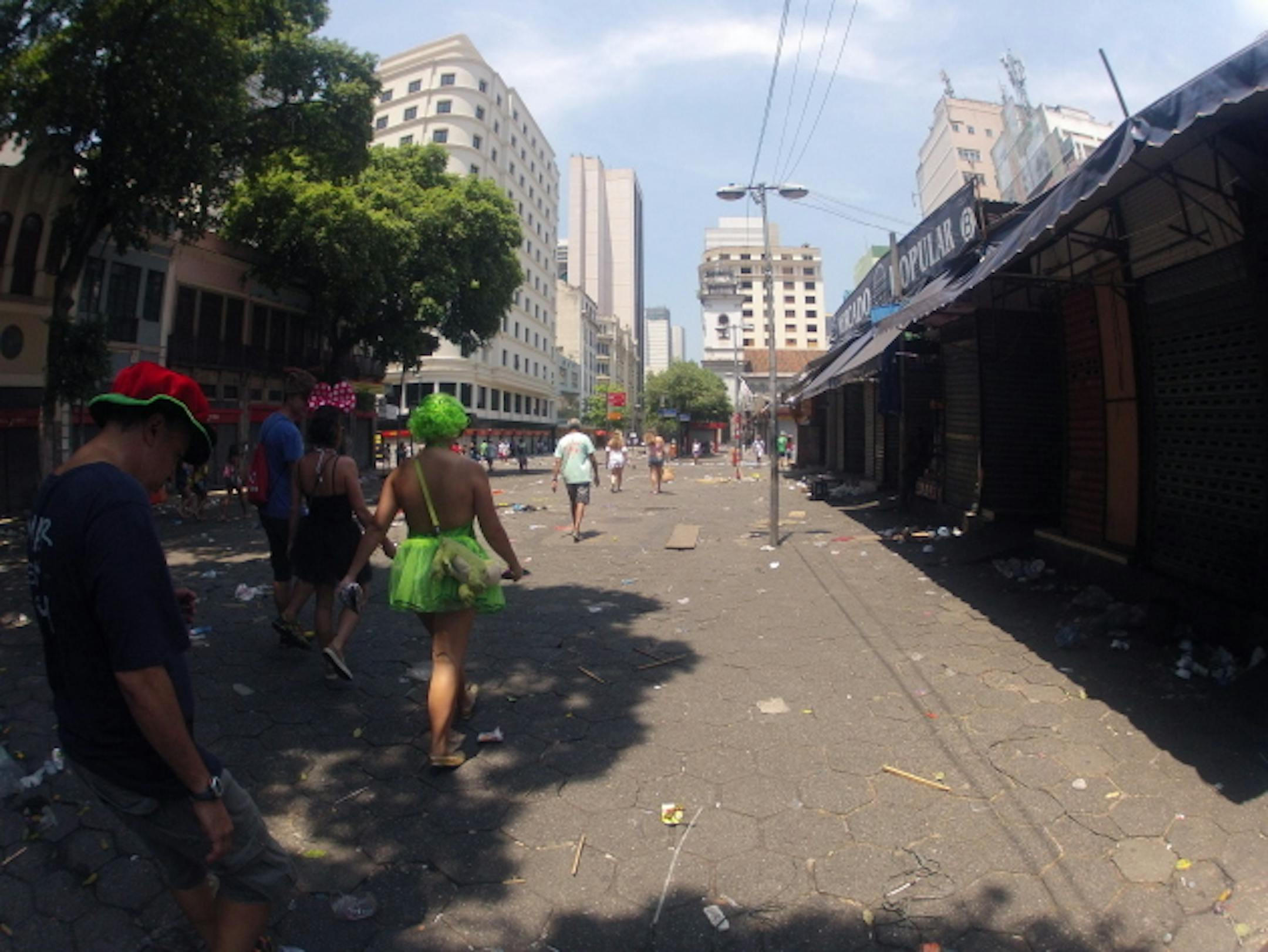
[With waste management workers on strike and thousands of tourists flooding the city, garbage began to pile up rapidly during Carnival - Credit: Andrew Morrison]
Mechanics