

Opinion editor's note: Star Tribune Opinion publishes a mix of national and local commentaries online and in print each day. To contribute, click here.
•••
Memorial Day has unique meaning for everyone, including those in the military and diplomatic corps who have dedicated their careers — their lives, even — to working toward a world where diplomacy supersedes the need for armed conflict. That ethos was apparent as some retired and active-duty military and Foreign Service officers, among others, helped lead a United States Army War College International Strategic Crisis Negotiation Exercise (ISCNE) with about 60 Carleton College students last weekend.
The ISCNE, according to the War College's Center for Strategic Leadership, "uses experiential learning to educate participants in the process of crisis negotiation at the international/strategic level."
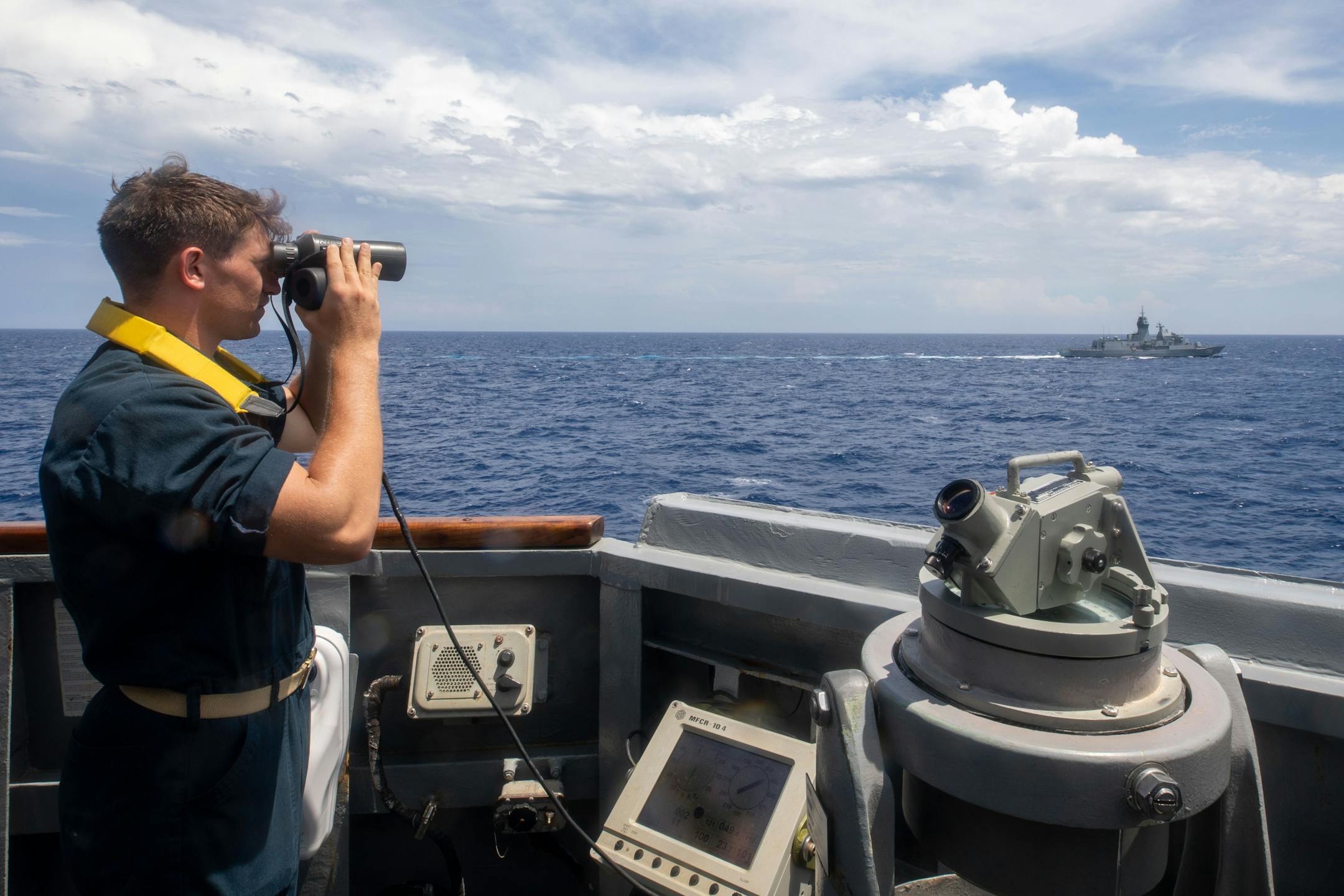
Intended to test students' leadership styles, negotiation skills and communication abilities in reaching their assigned nation's objectives, the exercise splits students into country teams within the framework of a U.N. conference trying to thaw a frozen conflict — in this case, competing claims in the South China Sea, an example particularly timely since it was a key concern (much to China's ire) at last weekend's G-7 Summit.
Student teams representing the U.S., China, Japan, Vietnam, Malaysia, the Philippines, Indonesia and India initiated alliances both bilateral and multilateral, mostly in response to Chinese maritime aggression. Like the enduring real-world crisis, the simulation resisted easy solutions, despite country teams working deep into Friday night and throughout Saturday.
The ISCNE helps students "understand the tools of national power," including military, diplomatic and economic leverage, said Jon Olson, a retired U.S. Navy Commander who teaches a Carleton course called Statecraft and the Tools of National Power.
Olson, along with political science professor Greg Marfleet, helped organize the Carleton exercise, which included two mentors per country (including me, on the Vietnam team). Olson said finding diplomatic solutions "is a very difficult thing, even for career professionals who have been doing this for 20 or 30 years; it's still a struggle to figure out a way through."


