

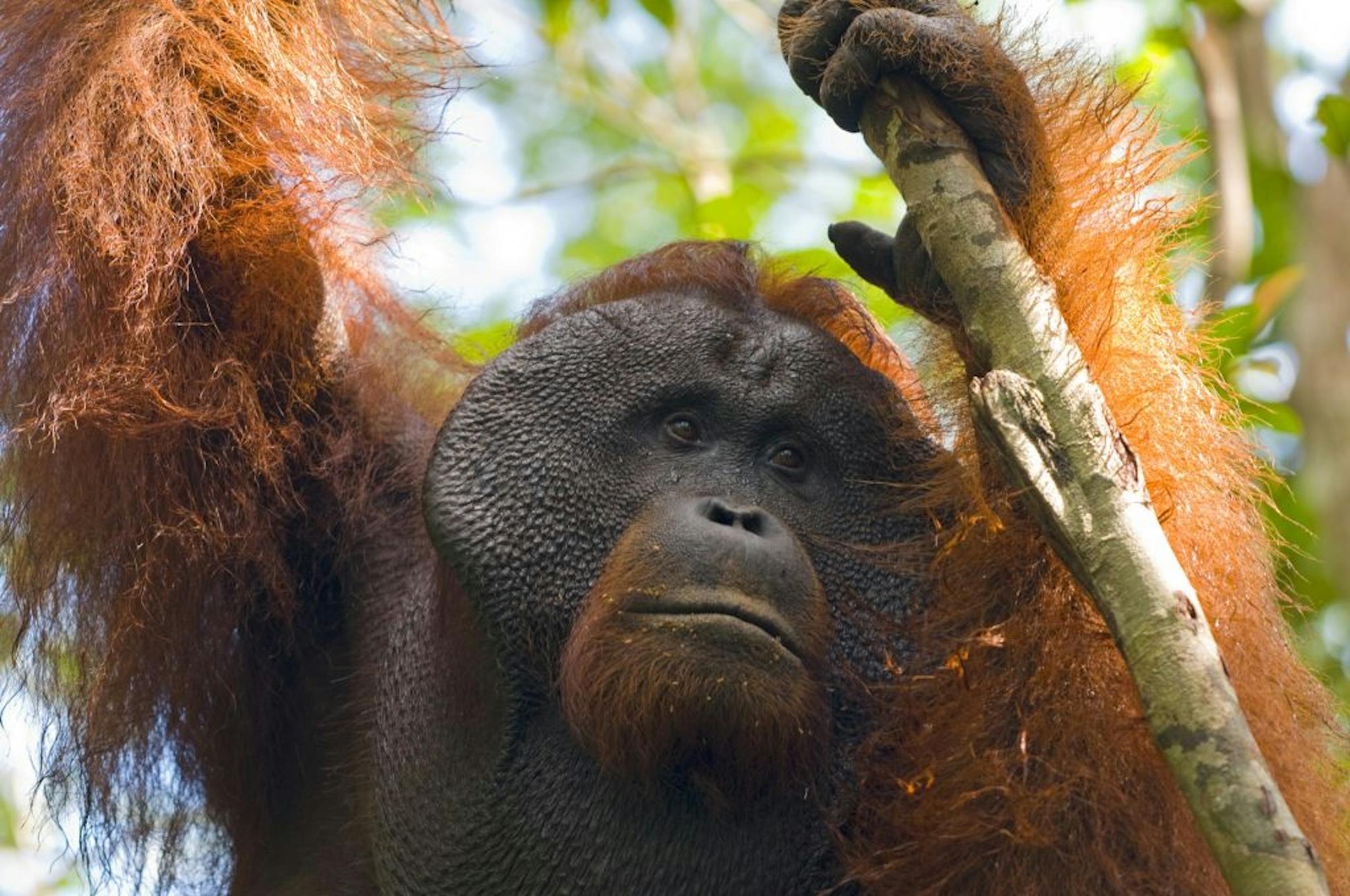
Until recently, one could be forgiven for not being aware of the direct connection between the consumption of palm oil and the imminent threat of extinction facing orangutans in Indonesia. But for companies like Cargill that are at the center of this controversy, this excuse is running out.
While the expansion of palm oil plantations has been one of the world's leading causes of rainforest destruction for many years, the issue has remained largely off the radar of even the most environmentally aware consumers. A steady escalation of feature stories in high-profile media outlets has begun to change this by bringing the plight of the orangutan into the living rooms of millions of Americans.
These stories contain the same basic narrative: Indonesia's jungles, among the most biologically and culturally diverse forests in the world, and home to the critically endangered orangutan, are being cut, cleared and converted into deserts of palm oil plantations at an alarming pace, and the fate of the red ape hangs in the balance.
Outraged Americans, distraught at the thought that their children may live in a world without orangutans, are looking for someone who can end this crisis. One answer is sitting in executive offices in Wayzata, Minn.
Minnesota's agribusiness giant Cargill is the largest importer of palm oil into the United States. This little-known food additive has quietly but quickly become so ubiquitous that it is now found in approximately half of the packaged goods sold in American grocery stores. It is used in everything from lipstick and laundry detergent to Girl Scout cookies and butter substitutes.
Orangutan advocates alerted Cargill to problems in its supply chain more than five years ago. Since then, concerned consumers have gone to great lengths to convince the company to adopt safeguards on the palm oil it sells.
Tens of thousands of petition signatures have been delivered to Cargill's headquarters. Billboards and full-page ads have pleaded with the company to draw on its history of innovation and leadership to do its part to change business as usual in the palm oil industry before orangutans are wiped out forever. People have even been arrested hanging banners off a Cargill facility in Minneapolis to communicate the drastic urgency of the situation.
Cargill has responded with future commitments to responsibly source the palm oil it supplies, but the company has taken no concrete steps to ensure that the palm oil it sells its customers right now is not connected to deforestation, species extinction and human-rights abuses.


