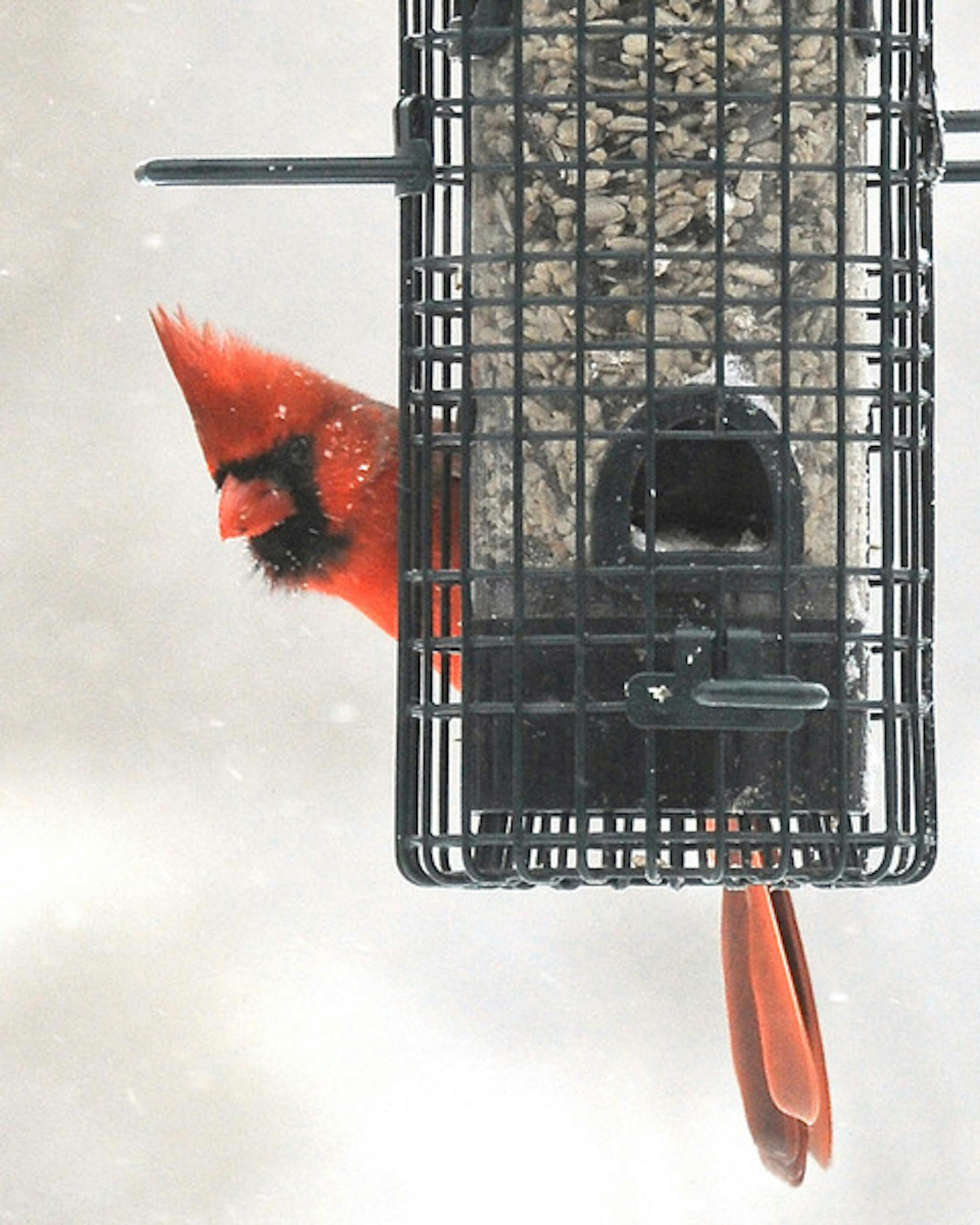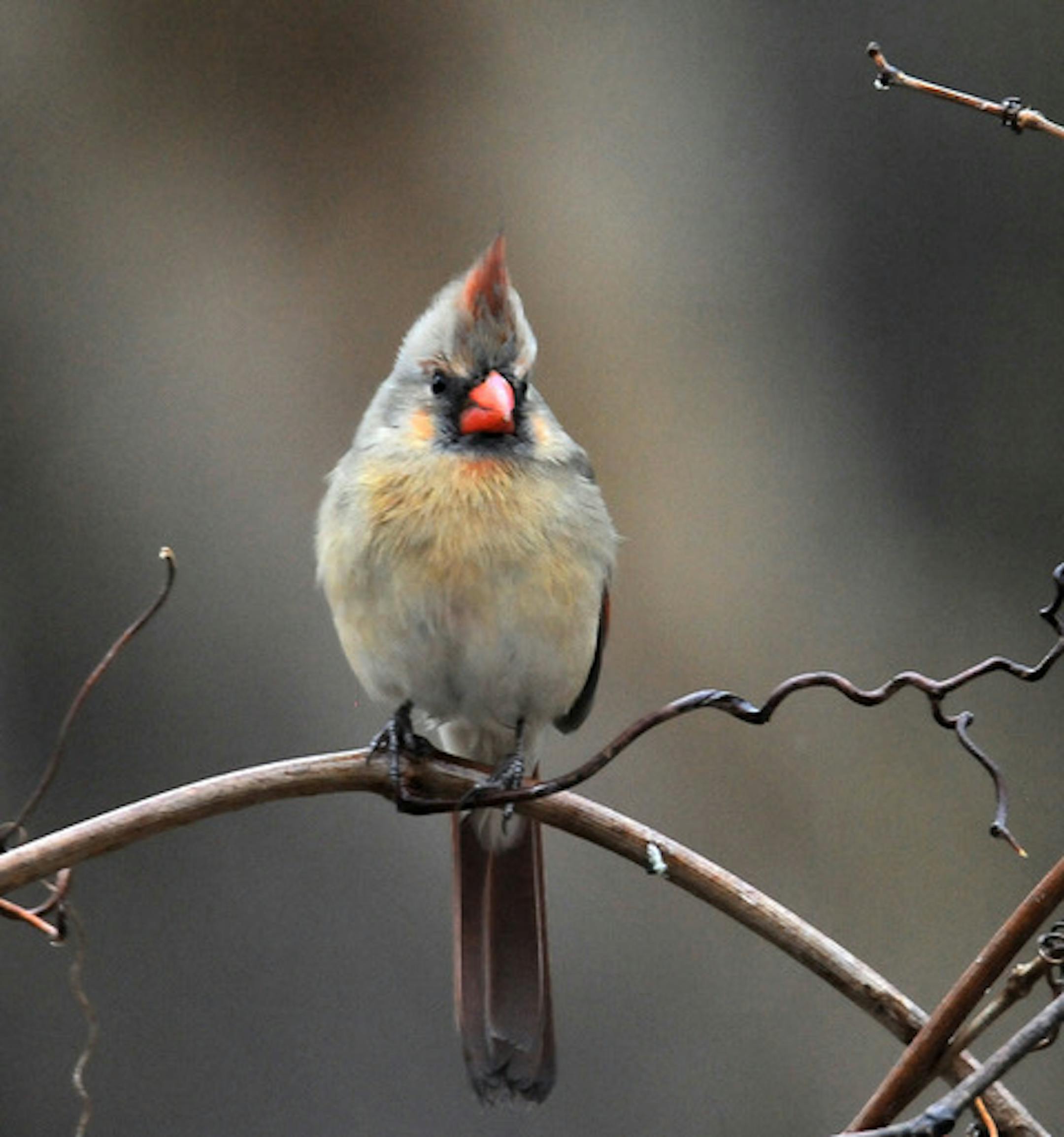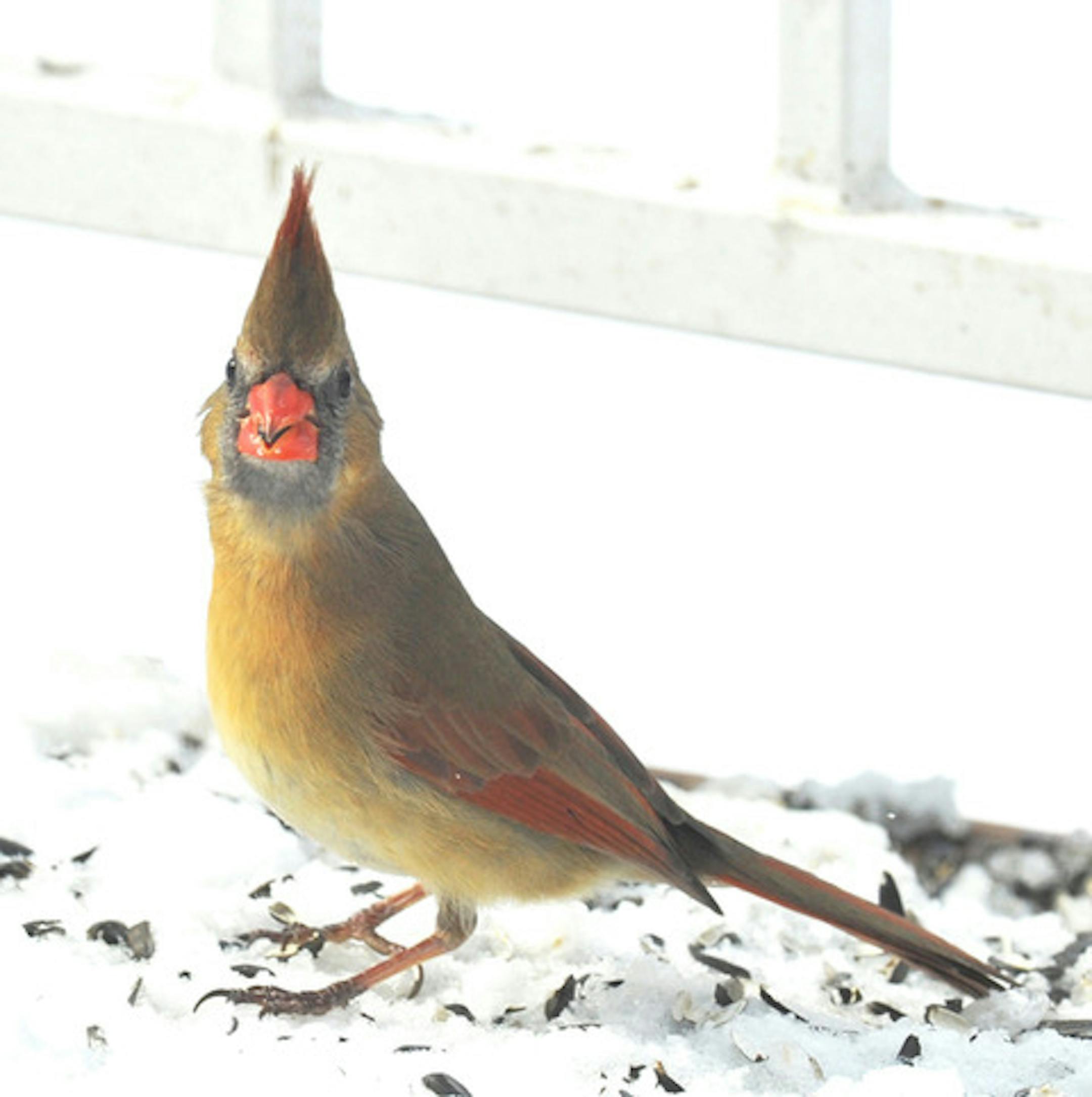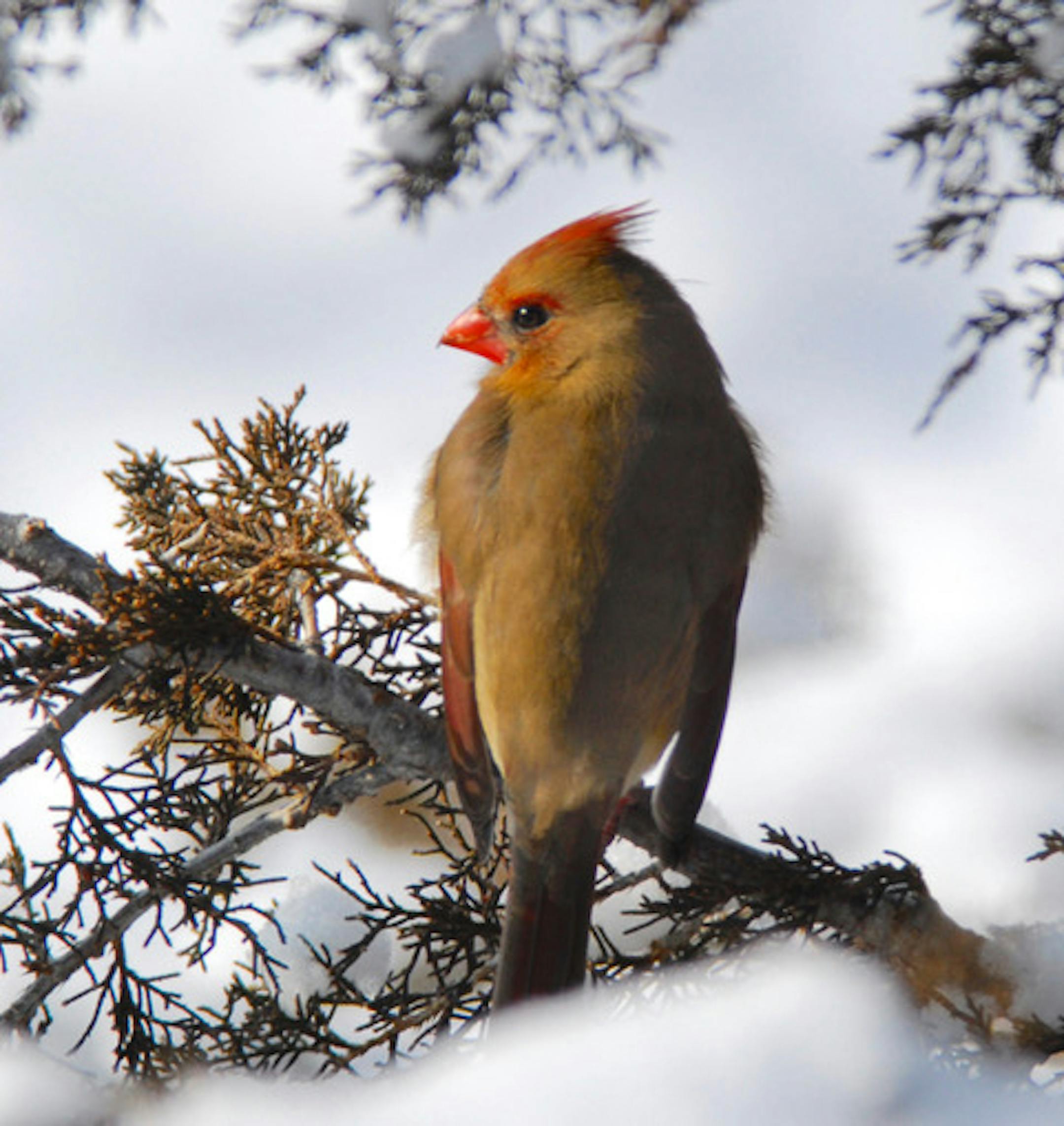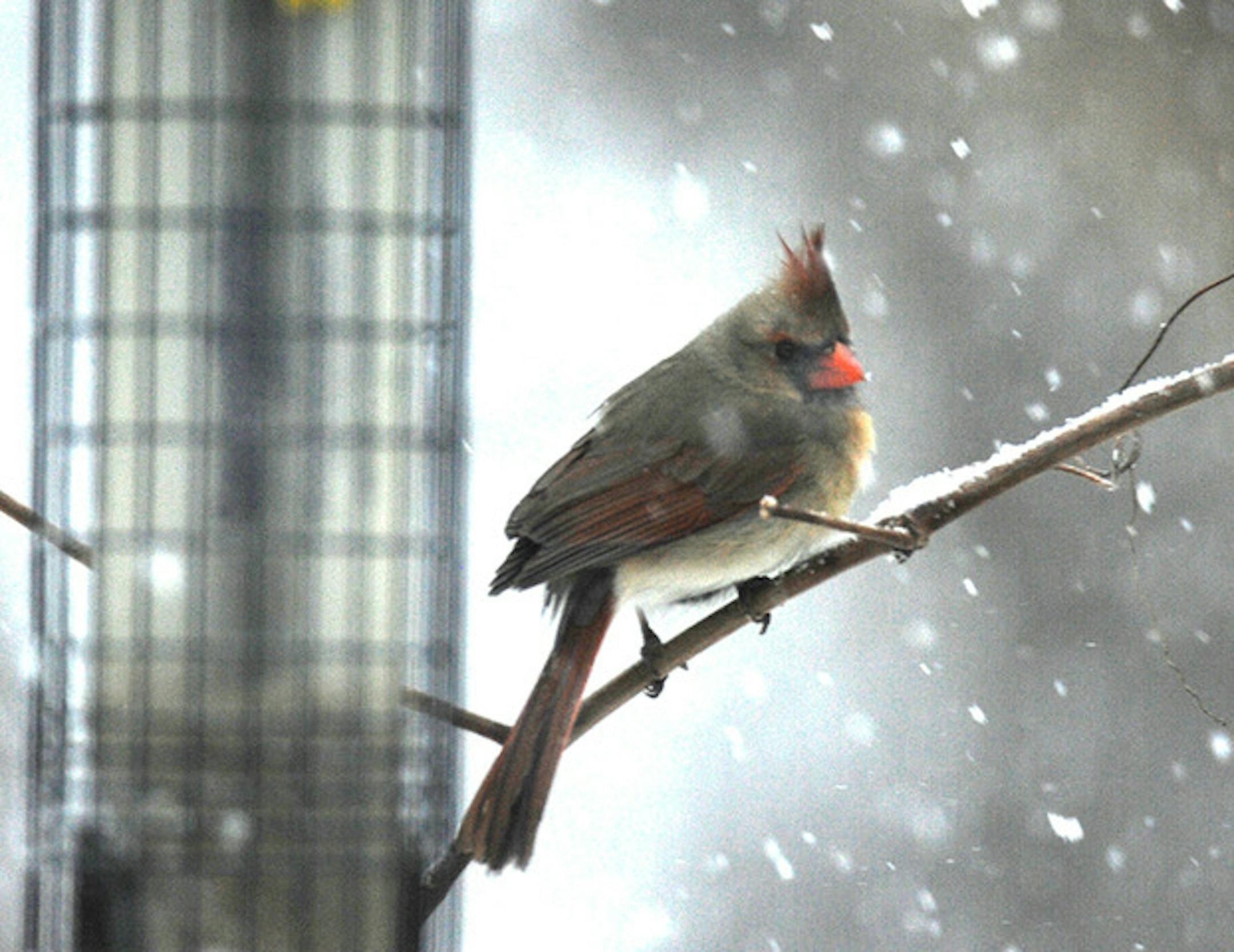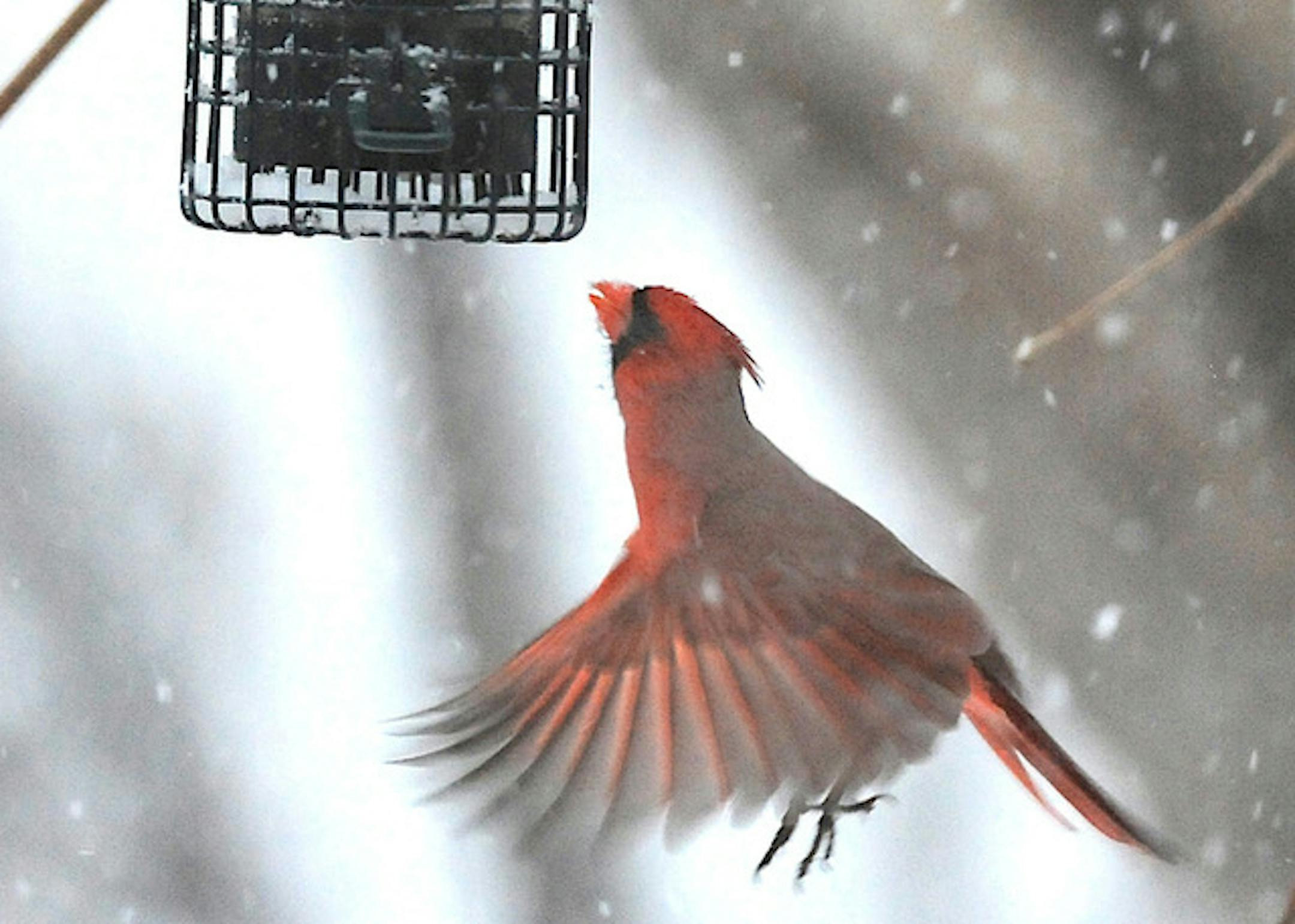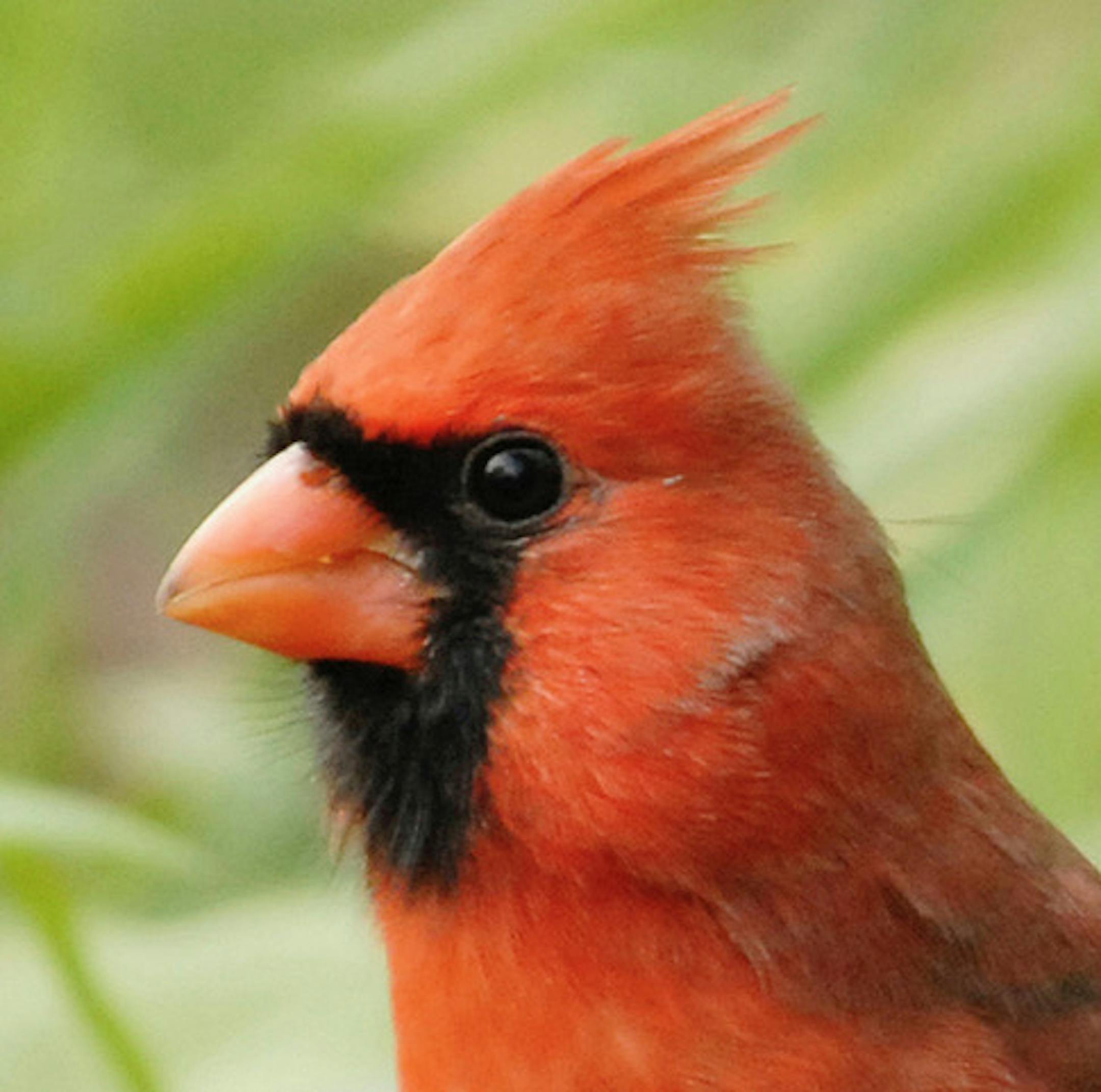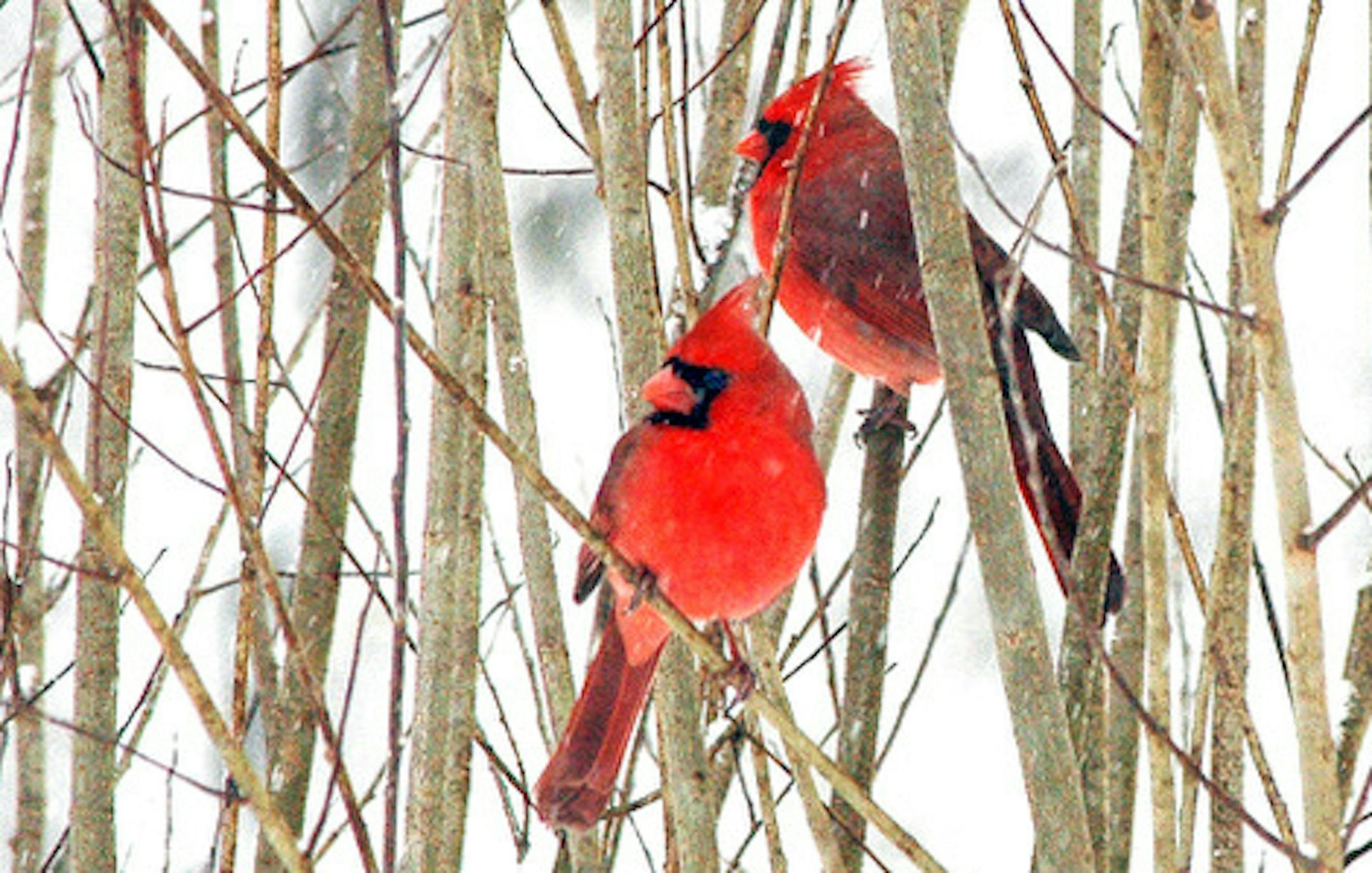
A hint of dawn is nature's way of telling us to roll over and go back to sleep. Not so for cardinals.
Two cold winter mornings in a row, due to poorly scheduled appointments, I was out of bed just as the first dimness of day created contrast on our snowy yard.
I looked to our row of four hanging bird feeders, expecting to see rabbit shapes nibbling bird leftovers. The snow was alive with birds.
I counted 22 cardinals the first morning and 28 the next. (This has not happened again since that distant day.)
Twenty-eight cardinals is more than an equal share. Our high daytime counts were six or eight then, currently five to seven.
Our suburban lot includes a portion of 10 acres of swamp mixed with brushy thicket and small trees. Our so-called landscaping includes brush piles and uncut weeds. We feed birds generously. Cardinals should love us.
This species has expanded far beyond the former northern edge of its range. The work of man favors cardinals. We have lessened the bite of winter, cleared the forest to create more brushy edges, and we feed birds.
Research shows that cardinals eat at the end of the day to provide the energy needed to stay alive through a cold night. Food at first light replenishes spent energy.