

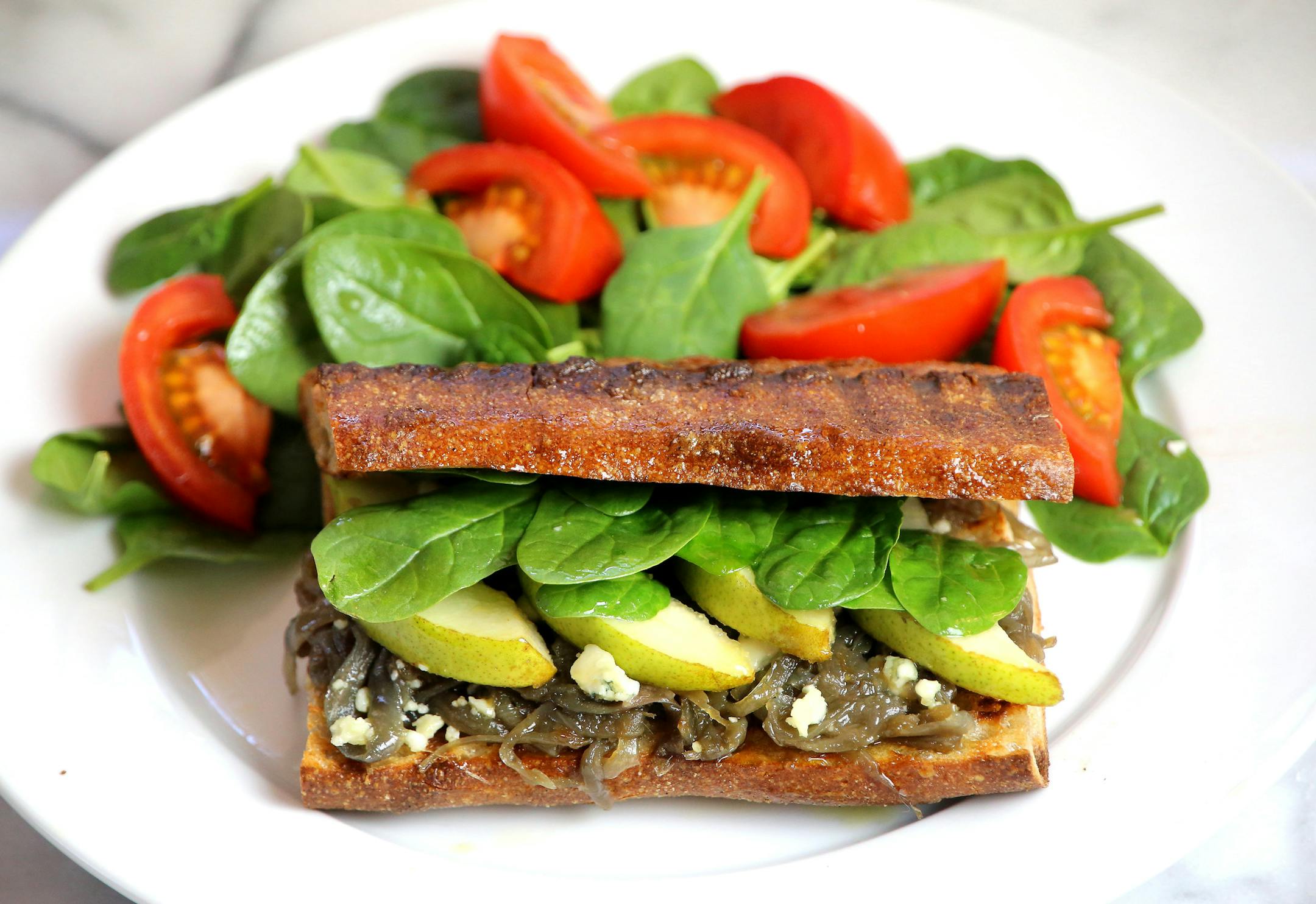
If there is one cooking trick that I could teach you to make your meals better, I would pick the technique of caramelizing onions.
You've probably had dishes that pretended to contain so-called caramelized onions, which may have even left you wondering what the fuss was about. These pretenders might have been pale and soupy, or wretched with added sugar to fake you out. They may even have been in a recipe that said to sauté onions for "15 minutes, until caramelized."
Hah. 15 minutes. You're just getting started at 15 minutes. I'm asking you to give these onions at least two hours — because good things are worth waiting for.
Onions are the inexpensive workhorse of the kitchen. A bag of onions can sit for weeks.
They can also make you cry. Each onion holds sulfur precursors and enzymes in separate tissues. When you start slicing, the chemicals mix, creating the spicy sulfur that mixes with your tears, and you know what happens next. Eaten raw, they add a bite to a salad or sandwich. When cooked, the tear-producing compounds are deactivated. Then the natural sugars can shine.
The chemistry that goes on when you cook onions low and slow is complex, but suffice to say that you are both caramelizing sugar and creating a "Maillard Reaction," where sugars interact with proteins over heat, causing browning. In the process, a specific sulfur compound gives the onions a meaty taste.
The anonymous genius who invented French Onion Soup knew nothing of chemistry, when she created a classic from a few pennies worth of onions. All you really need to know is that you should take the time to do it properly.
There are no shortcuts, but there is one way to make it easier on yourself. You can toss the slivered onions in oil and put them in a slow cooker, covered, on low heat overnight. What you'll get in the morning will be very wet, so transfer the onions and liquids to a large skillet and cook them over medium heat, stirring frequently, until they become thick and sweet, about 15 minutes.

