This is a double black diamond.
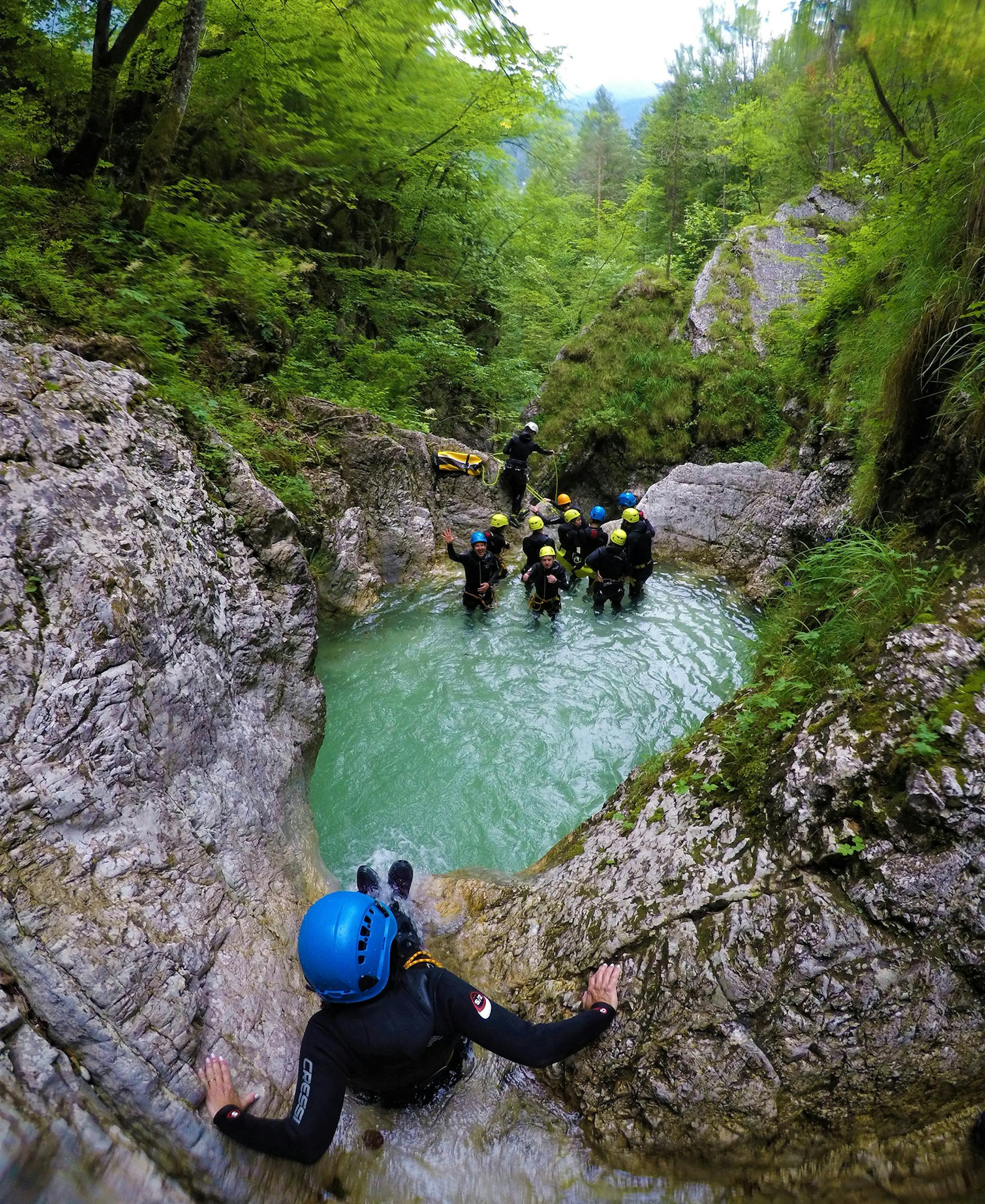
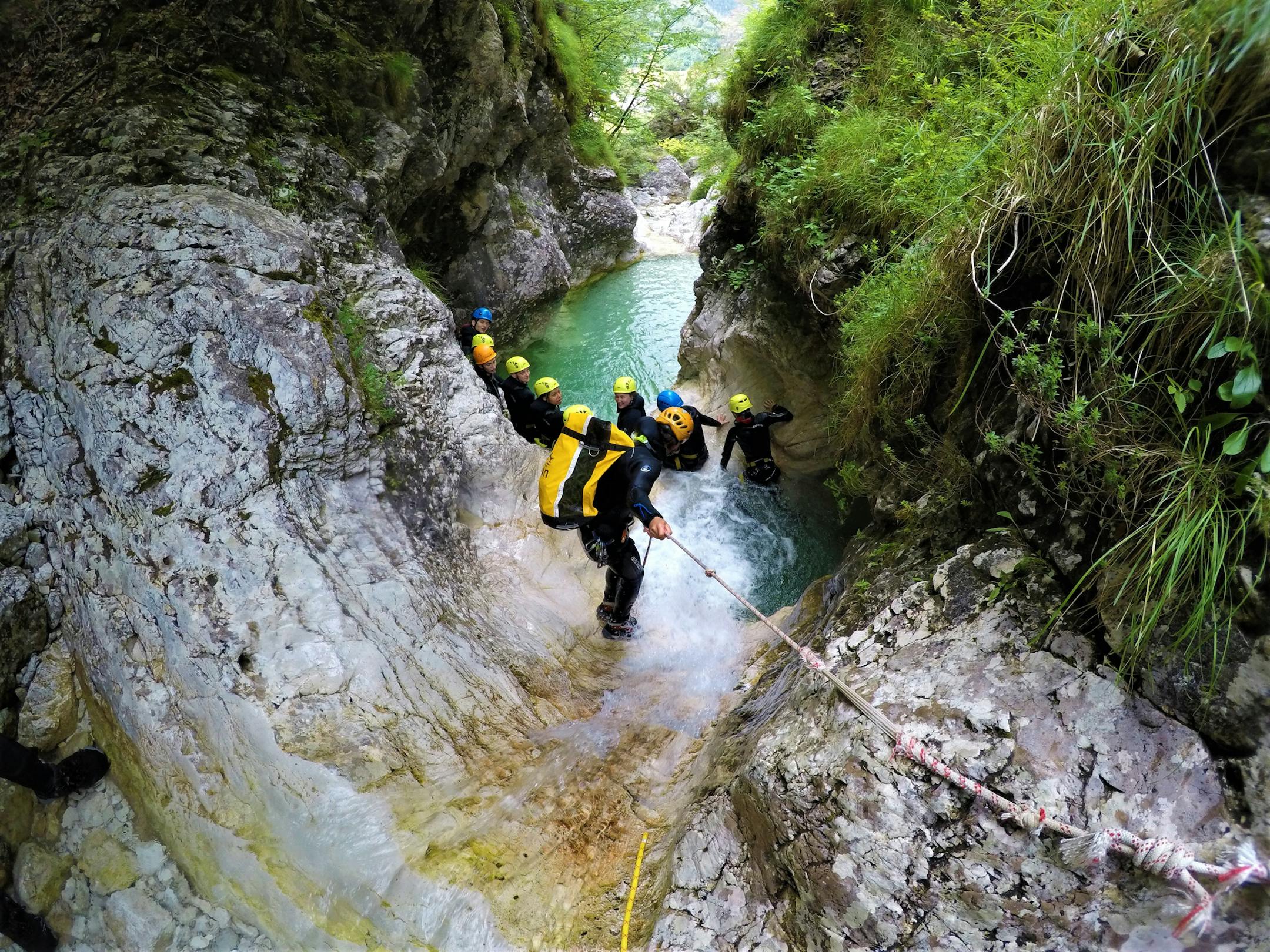
That's the only coherent thought I can formulate as I glance 154 feet down to the bottom of the Parabola waterfall. I'm with my family and eight of our friends in Fratarica Canyon, a ribbon of streams, waterfalls and natural pools carved into a mountain just outside Triglav National Park in Slovenia's Julian Alps. My 16-year-old son, Henrik, is waiting for me at the bottom; he hiked down because a 20-foot jump a few pools back triggered a panic attack. My friend Al is there, too, giving me a double thumbs up — he's a dentist and, before descending, performed a floating exam on my 13-year-old daughter, Luisa, when she mashed her braces against a rock in the last pool.
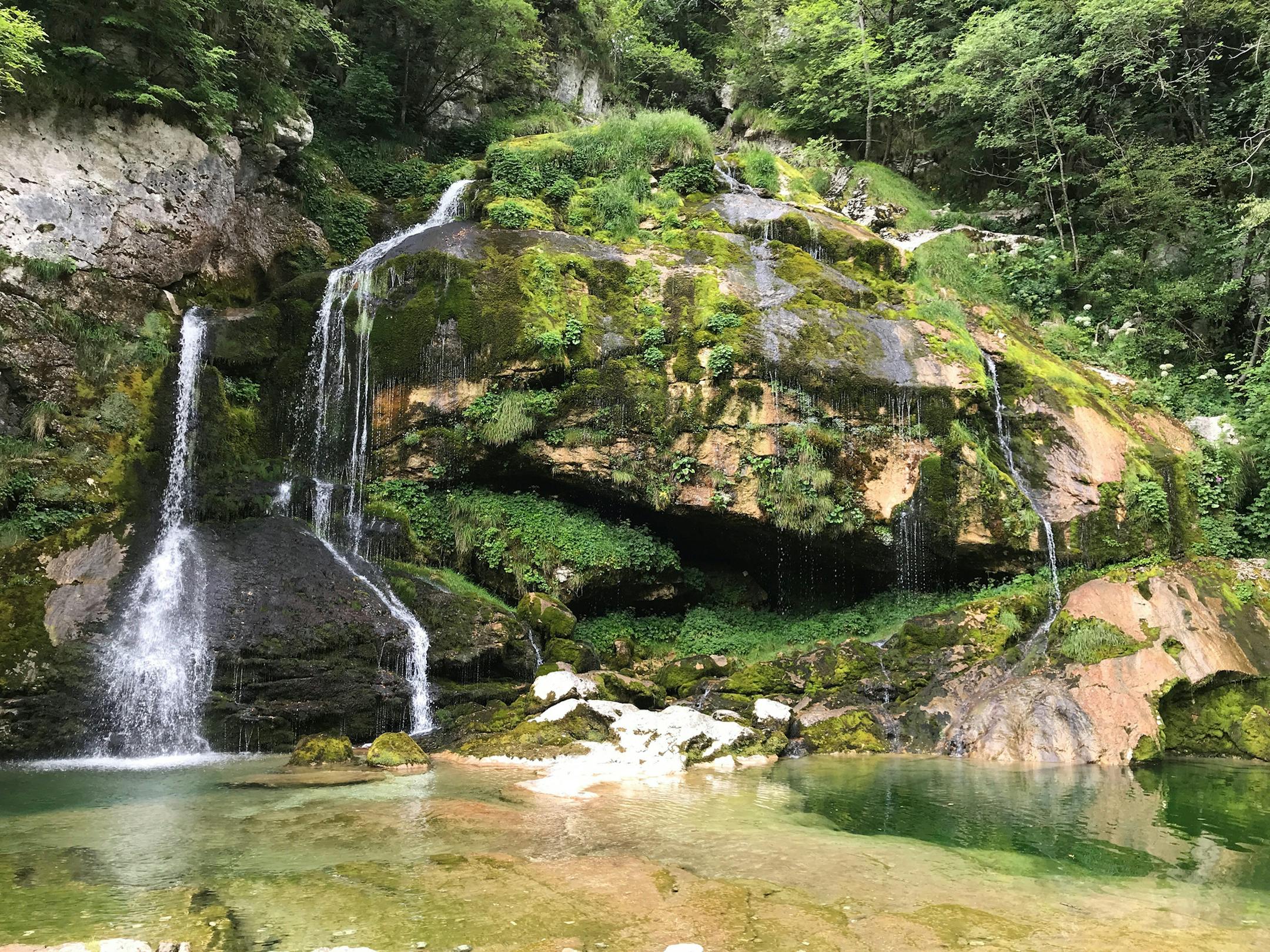
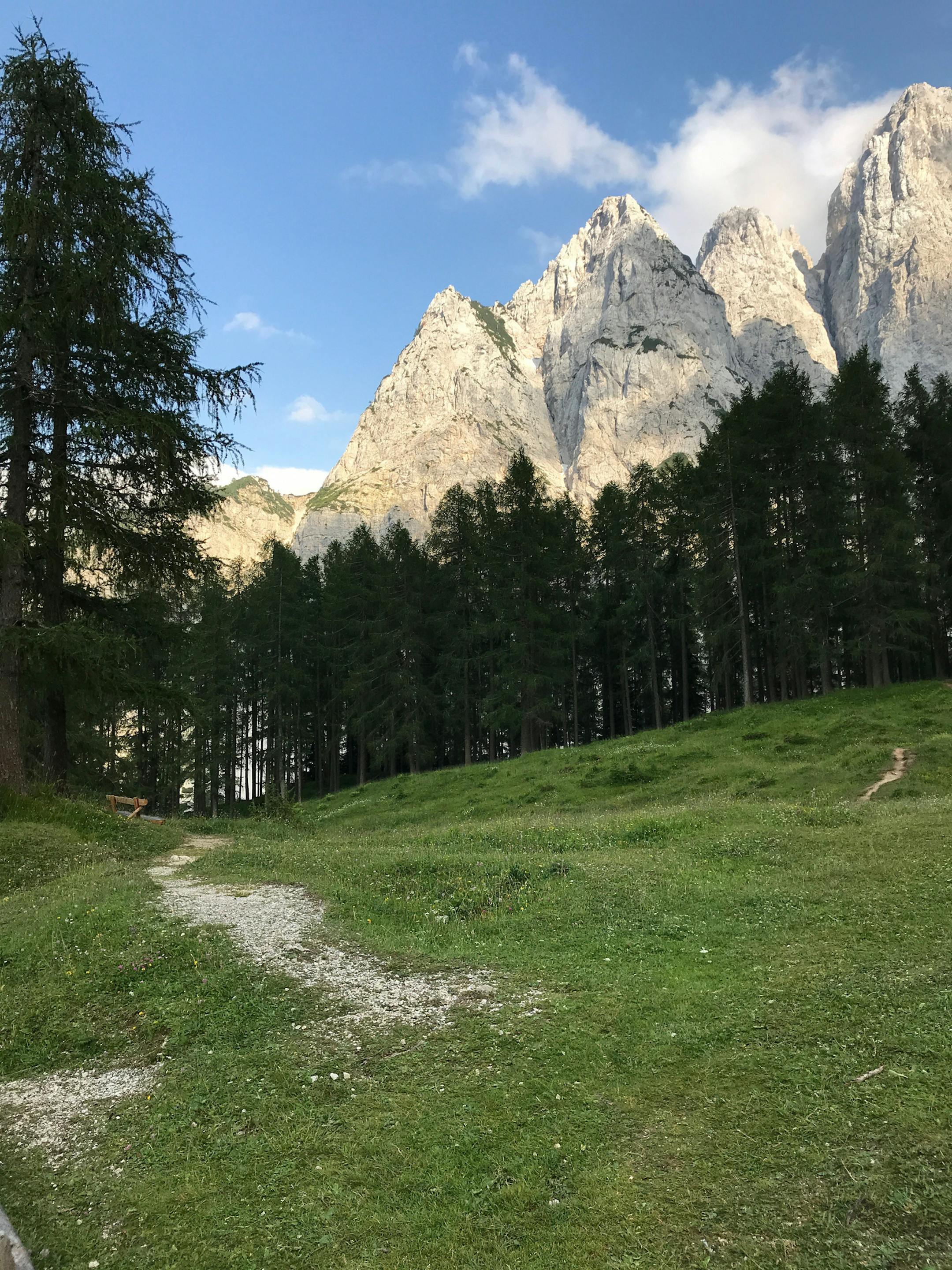
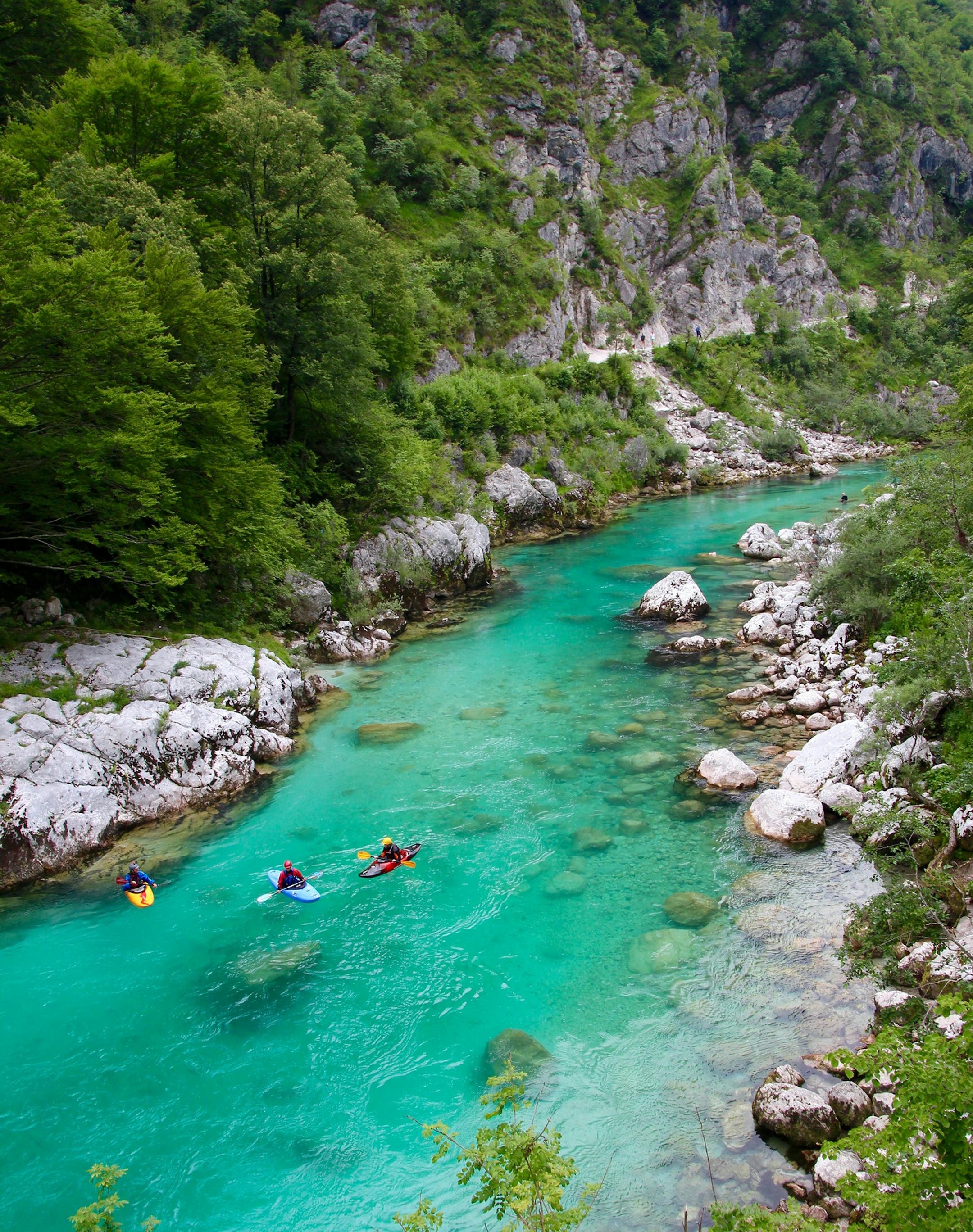
We are canyoning — the occasionally extreme sport of navigating a gorge by hiking, swimming, jumping and rappelling. It's a thrilling and decidedly immersive way to experience nature, which in the Soča Valley — named for the aquamarine-colored river that snakes through western Slovenia and northeastern Italy — is nothing short of an adventurer's Eden. In addition to that luminescent river, there are hiking trails to hidden waterfalls, jagged limestone and dolomite peaks that sparkle like sequins in the morning light and alpine meadows spiked with wild orchids and woodland phlox.
Before this trip, no one in my group had tried canyoning. We chose Fratarica canyon over the gentler Sušec option because, after much e-mailing, Katja Rogelj, the owner and infectiously enthusiastic (not to mention patient) lead guide of Kata Adventures, reassured us that Fratarica was the equivalent of a blue (intermediate) ski run. Susec, she said, was a green (beginner). We had five teenage boys to please. The rest of us, I reasoned, were in decent to excellent condition. No bunny hill option for this gang!
That thinking changed by the time I got to the Parabola. But by then it was too late.
Hiking by waterfalls
Now known for being the birthplace of Melania Trump, Slovenia has a fascinating, complicated history. For most of the 20th century, the county was part of Yugoslavia, the independent Communist state that after World War II was run by Marshal Josip Broz Tito. Tito broke with Stalin in 1948, making the country more open to the West than others behind the Iron Curtain. After Tito's death in 1980, underlying ethnic tensions flared across the country, giving rise to brutal wars in Serbia, Croatia and Bosnia-Herzegovina. In 1991, Slovenia declared independence from Yugoslavia after a conflict that lasted 10 days.
That history was very much on our minds when we started our vacation with a one-night stay in Ljubljana, the country's charming capital, where we shook off our jet lag by walking through the city with Free Tour Ljubljana. We opted for a private guide — not free, but a certainly reasonable 115 euros for 14 people — to take us on a three-hour "Communist Fusion Tour." We visited several buildings and bridges designed by hometown hero Jože Plečnik, who modeled his classical designs on ancient Athens. We also passed art nouveau apartment buildings that would feel at home in Vienna and the kind of Soviet-style office blocks you'd find in Moscow. Our guide shared his experience growing up as a member of the Union of Pioneers of Yugoslavia during the Tito era and offered his frank estimation of both the limits and benefits of the country's former Communist system.
From Ljubljana, we drove to Lake Bled, which is famous for an island with a pilgrimage church built near the end of the 17th century. It's a well-established tourist destination and if it was the only place I visited in Slovenia, I would have been delighted. But by the time I returned home to Minnesota, it felt like a footnote when compared with what came next.