

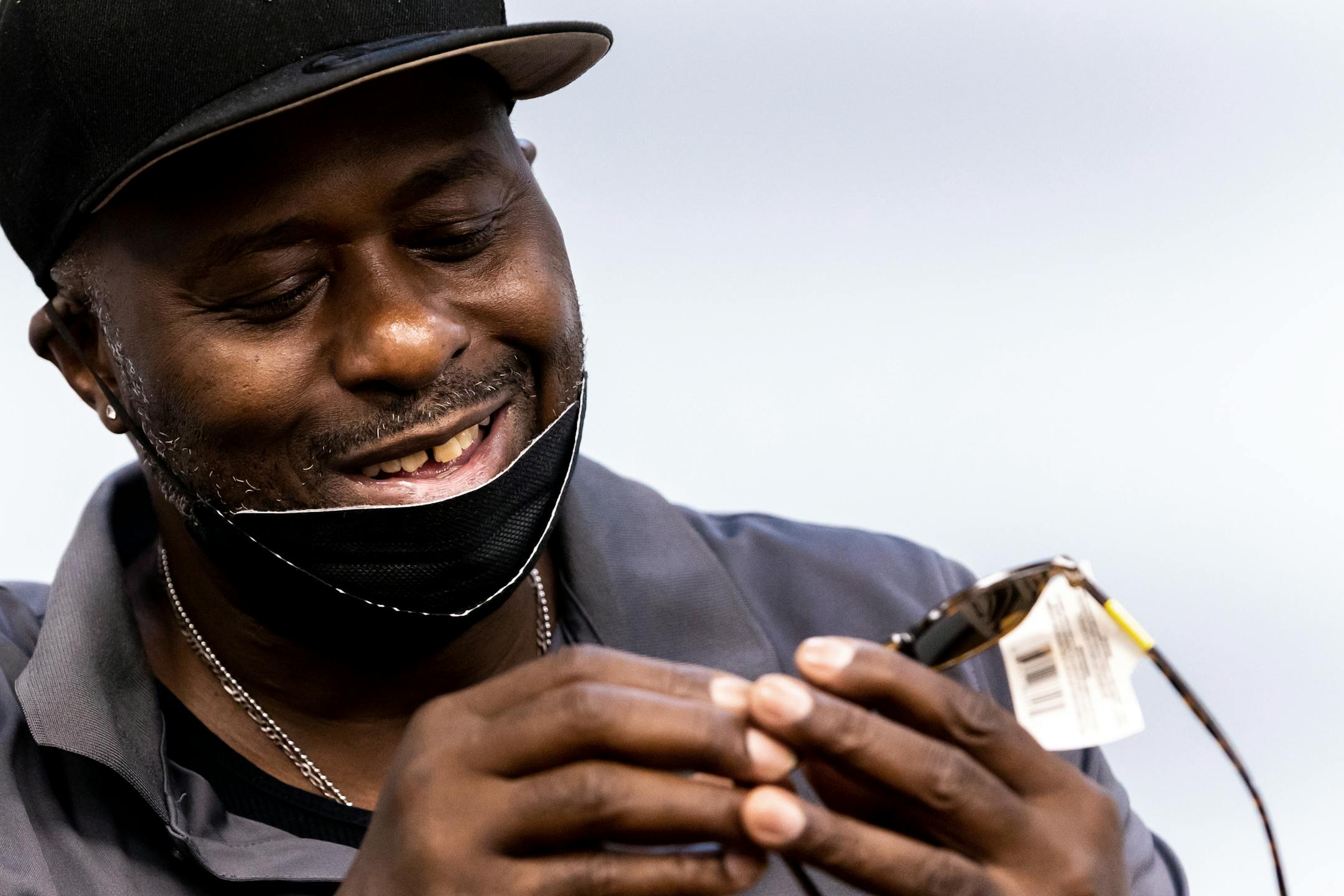
Harold Lewis has been fighting drug addiction for years, but only recently started thinking recovery could be fun.
The 59-year-old former cook earned small prizes — candy, gum, gift cards, sunglasses and headphones — for attending meetings and staying in treatment for opioid addiction during a 12-week program in Bridgeport, Conn.
"Recovery should be fun because you're getting your life back," Lewis said.
For an increasing number of Americans, addiction treatment involves not only hard work, but also earning rewards — sometimes totaling $500 — for negative drug tests or showing up for counseling or group meetings.
There's brain science behind the method, which is known as contingency management. And barriers to wider adoption of reward programs, such as government concerns about fraud, are starting to crumble.
"We're in a state of desperation where we need to pull out all the stops and this is something that works," said Dr. James Berry, who directs addiction medicine at West Virginia University.
U.S. overdose deaths climbed to a record high during the pandemic. While opioids are mostly to blame, deaths involving stimulants such as methamphetamines also are climbing. Often, people die with multiple drugs in their system.
Medication can help people quit abusing opioids, but stimulant addiction has no effective medicine. Rewards programs — especially when the dollar value increases with consistent performance — are widely recognized as the most effective treatment for people addicted to stimulants.


