
Cancer treatment tackles a new frontier: Chemo at home, even on the go

The Philadelphia Inquirer
February 12, 2021 at 3:02AM
573501778
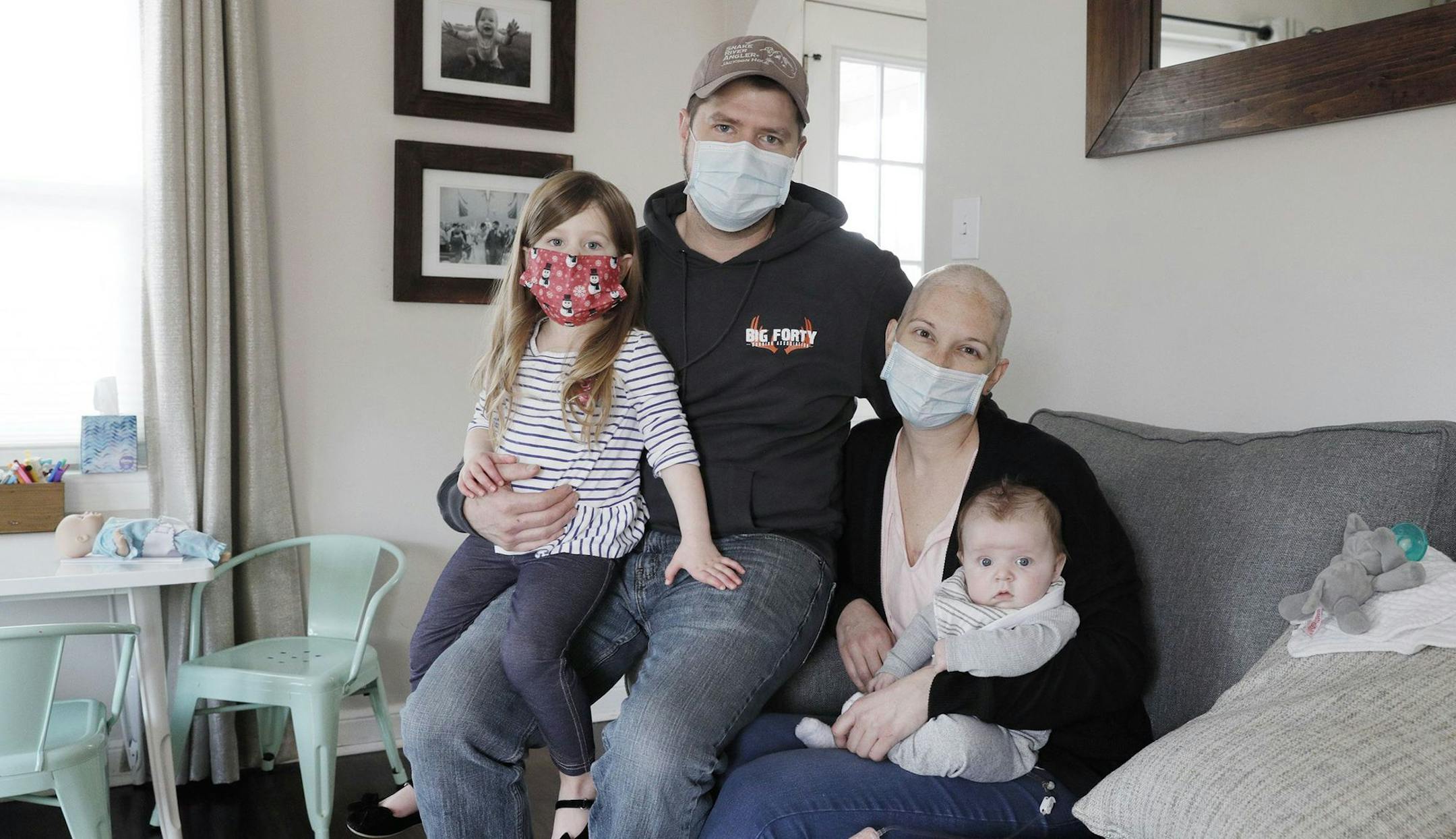
Lisa Oney, with husband, Kevin O’Driscoll, and their children, is receiving chemotherapy at home, allowing her to avoid a hospital stay. “I’m thankful to be home with my kids,” she said. (Elizabeth Robertson • Philadelphia Inquirer/The Minnesota Star Tribune)

PHILADELPHIA – As she fights cancer, Lisa Oney is not stuck in a hospital bed for days at a time while she is infused with chemotherapy.

She's undergoing chemo at home — even on the move. At times, the lifesaving medicine is flowing into her as she drives to make curbside pickups at Target.

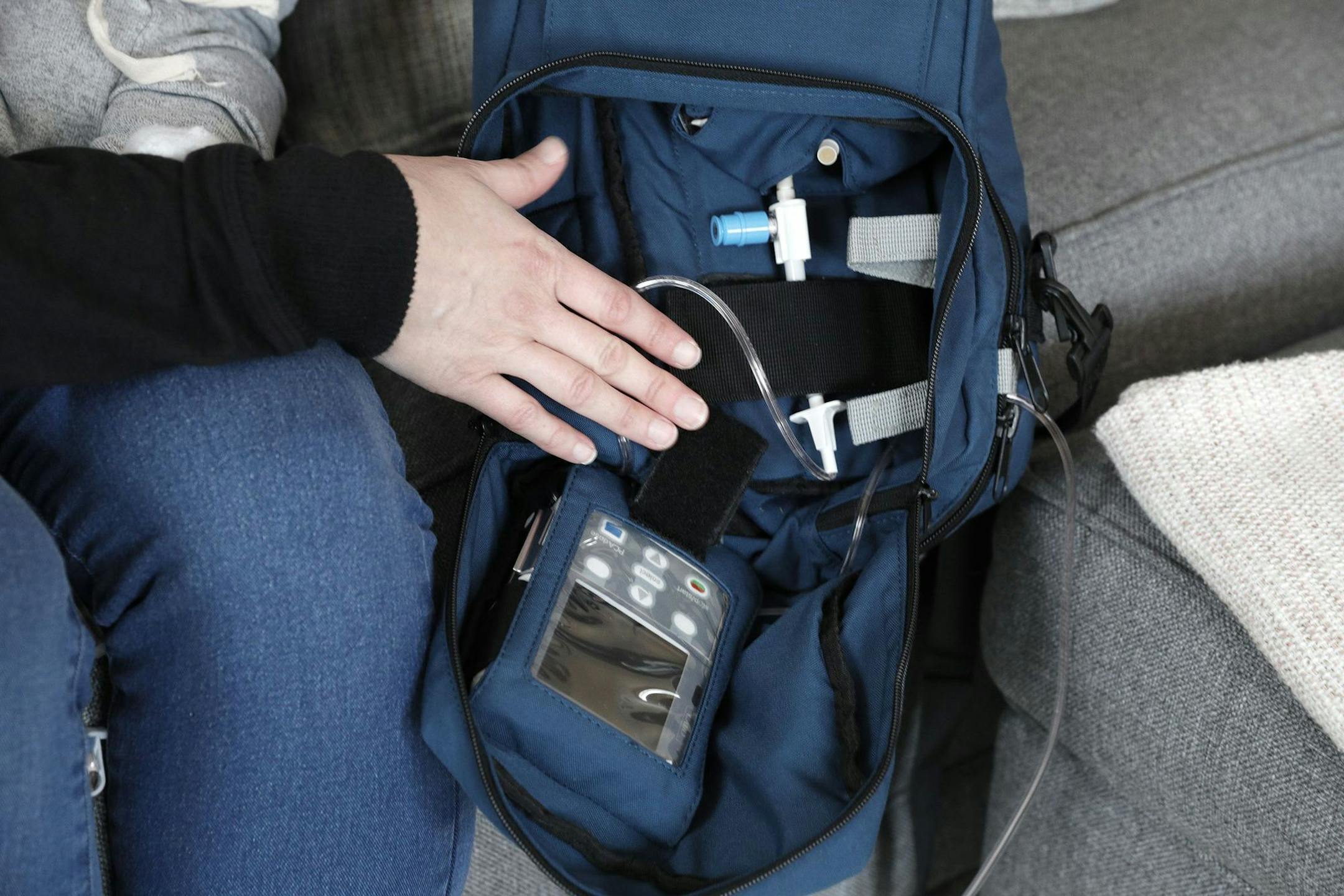
Thanks to a new program at Penn Medicine, Oney, 33, carries her chemotherapy medicine in a backpack with a small pump that feeds the drug into her body. "I'm able to walk around, and take care of my kids," she said. "I can go places."

Typically, her regimen of chemotherapy would require several five-day stays in the hospital spread over 18 weeks. But Oney needed to be home to care for her 3-month-old son and 3-year-old daughter. "I couldn't do that," she said, referring to the hospital visits. "My husband wouldn't be able to work."

Chemotherapy at home is a rising trend, driven by patient convenience and the widespread fear of hospitals during the pandemic. But as much as patients love it, antiquated health care billing systems, especially in Medicare, remain a formidable obstacle.

Penn's shift of some at-home treatments started on a small scale, but took off during the pandemic, said Justin Bekelman, the radiation oncologist who directs the Penn Center for Cancer Care Innovation.

Under the process, nurses drive to patients' residences to set up the complex lines and do the injections involved in the treatment. After that, the backpack-wearing patients are free to go about their lives.

Bekelman said that Penn had good reasons to launch the effort. "It's obviously patient-centric and will enhance patients' experience of cancer treatment," he said, "but also our infusion suites were all full up."
Most experts see the move as positive for employers and taxpayers, who pay much of the cost of health care. Health insurer Aetna said last year that a single infusion of a specialty drug in a hospital, even on an outpatient basis, costs more than $20,000. The savings from moving it to an independent outpatient center can exceed 50%, it said. Home treatments save about the same, experts said.

But chemo in the home means much less money for hospitals, Bekelman noted, making it harder to expand the treatments.

"We need a payment model that keeps health care providers whole irrespective of where we deliver the treatment," he said. "That's a crucial incentive for health systems to invest in providing more care at home."

However, major trade associations such as the American Society of Clinical Oncology and the Community Oncology Alliance have formally opposed the practice. They cited a fear that patients might have a bad drug reaction with no doctors nearby.

Richard Snyder, chief medical officer for the parent company of Independent Blue Cross, said he was convinced that the trend was safe. "Physicians and hospitals tend to be creatures of habit," Snyder said.

He described Penn as being at the forefront of moving chemotherapy to the home.

Bekelman said the goal wasn't to transfer all cancer care, but to establish that it can be done safely off premises.

573501779
Lisa Oney displays the small over-the-the shoulder bag that delivers her intravenous chemotherapy treatment. (Elizabeth Robertson/Philadelphia Inquirer/TNS) (The Minnesota Star Tribune)
about the writer

about the writer

Harold Brubaker

More from No Section

See More
FILE -- A rent deposit slot at an apartment complex in Tucker, Ga., on July 21, 2020. As an eviction crisis has seemed increasingly likely this summer, everyone in the housing market has made the same plea to Washington: Send money — lots of it — that would keep renters in their homes and landlords afloat. (Melissa Golden/The New York Times) ORG XMIT: XNYT58
Melissa Golden/The New York Times

It’s too soon to tell how much the immigration crackdown is to blame.