

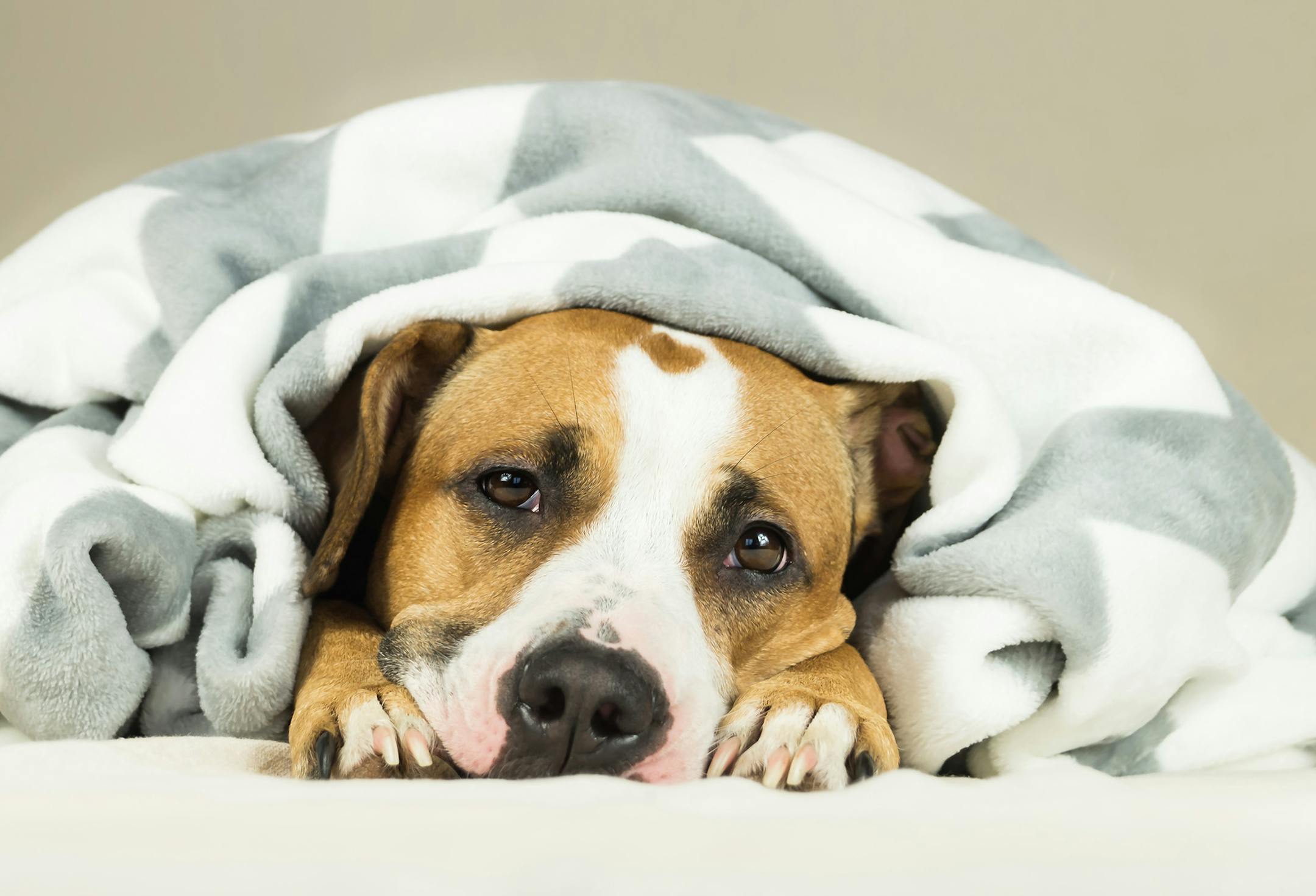
When Brent Williams needed chemotherapy after a cancer diagnosis, one of his concerns was for the safety of his two cats. Would he need to handle them differently or — worse — not handle them at all?
If you are being treated for cancer — or if your pet is — you, like Williams, may have concerns about how the treatment could affect others around you, or if your pet's treatment could be hazardous for you. Generally, risks are low, but safe handling procedures can reduce them further, no matter who's being treated.
The good news for Williams and other human cancer patients is that the amount of active drug excreted by the body when a human or pet patient is receiving chemotherapy is "exceedingly low," says Dr. Craig Clifford, a veterinary oncologist at Blue Pearl in Malvern, Pa.
That said, it's always wise to take precautions. The website for the Leukemia & Lymphoma Society has the following recommendations:
Have another family member scoop the litter box or pick up poop. If that's not possible, wear gloves (and a mask if you're scooping litter) and wash hands thoroughly afterward.
Take pets that are sneezing, vomiting or have diarrhea to a veterinarian to make sure they don't have an infection they could pass on to you.
Keep pet nails trimmed to avoid scratches. Cancer patients may have weakened immune systems and can easily develop infections from wounds.
Avoid coming in contact with reptiles, chickens, ducks and rodents, which can carry salmonella and other infectious pathogens.


