

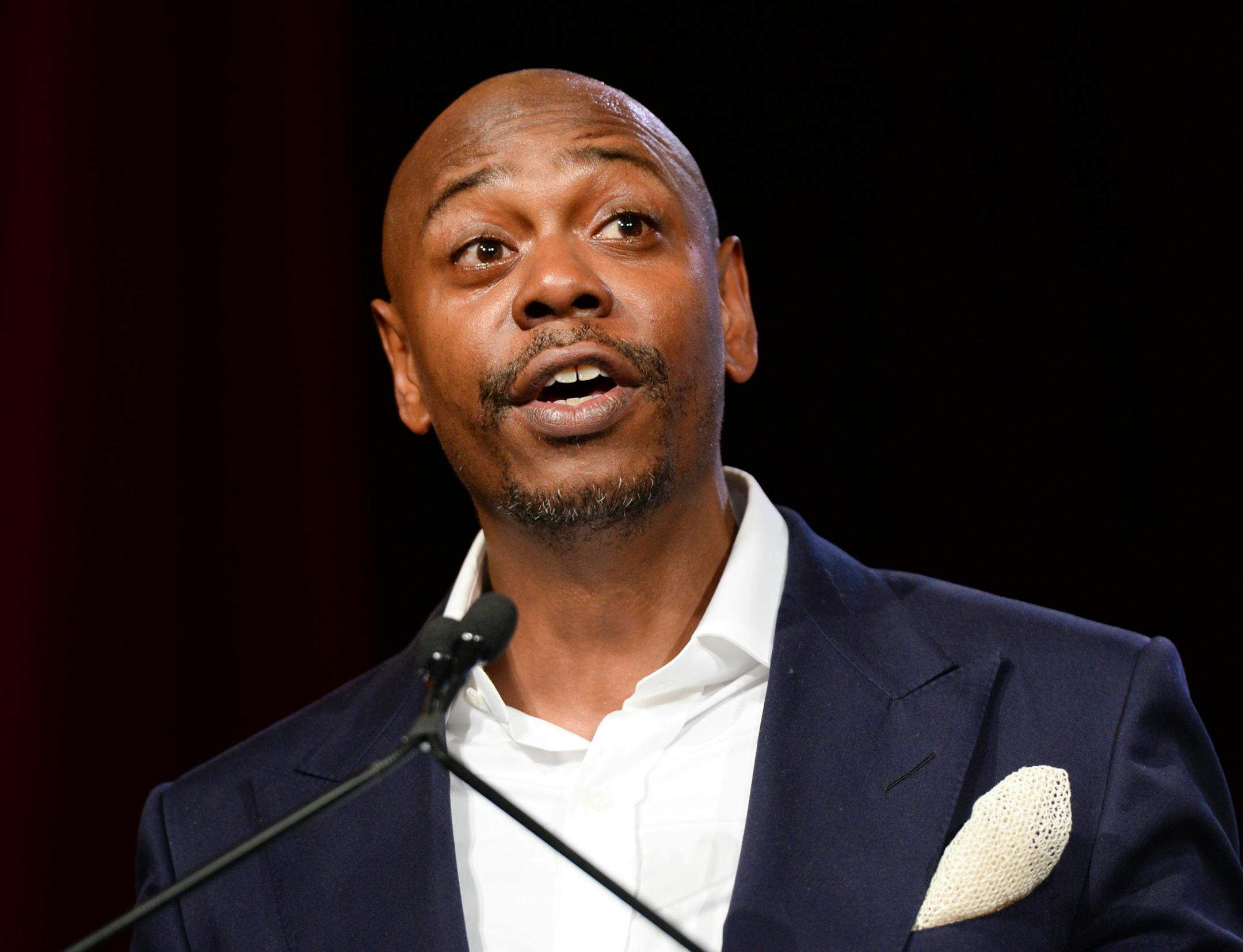
Is freedom of speech evaporating from the world of comedy? We hear a familiar mantra whenever someone like Dave Chappelle comes under fire: You can't joke about anything anymore. PC police. Cancel culture. People are too sensitive. But does this premise hold up to scrutiny? Studying history, it seems clear comedians have more freedom of speech today, not less.
At the start of the 20th century, ethnic minorities objected to the way they were portrayed onstage. Instead of airing grievances on the yet-to-be-invented internet, many delivered their objections in person.
Irish and Italian immigrants were vocal at the turn of the century. Vaudeville comic Walter Kelly received "a letter threatening his life if he did not immediately cut out several Italian stories in his act," and an Irish betterment organization called the Clan na Gael pelted comedians with eggs for perceived slights against the Irish.
A newspaper editorial in Kansas feared this would inspire other groups to do the same: "If the well-known and almost indispensable Irish policeman is to be abolished from the stage by decree of the Clan-na-gael, what is to hinder the 'Afro-American' societies from following suit and threatening dire consequences on the heads of players who represent the stage type of negro?"
That's precisely what happened. African Americans, Native Americans and American Jews all staged protests in the early 20th century. In 1903, the Topeka Capital predicted the death of comedy: "The final upshot [of protest is] to strip comedy of its most engaging and popular features. If the raid should extend to all sorts of people caricatured in the theater and in print, then good-bye to comedy."
Indeed, jokes concerning politics, religion and sex were taboo for most of the century. Even the most casual carnal reference could result in arrest. The legendary Mae West wrote a number of popular stage comedies, and for her efforts she was convicted of obscenity in 1927 — and sentenced to 10 days in a prison workhouse.
The debate concerning stereotypes was especially fierce when the television became a household appliance in the 1950s. TV executive Bob Wood explained why CBS and NBC were purging stereotypes from programming in 1956: "We deleted any material which we consider derogatory to any minority group — that's on a common sense and public relations basis."
The Wilmington Morning News sounded the death knell: "There isn't much laughter any more — because there's no way to speak in any light fashion about any group of people anywhere."


