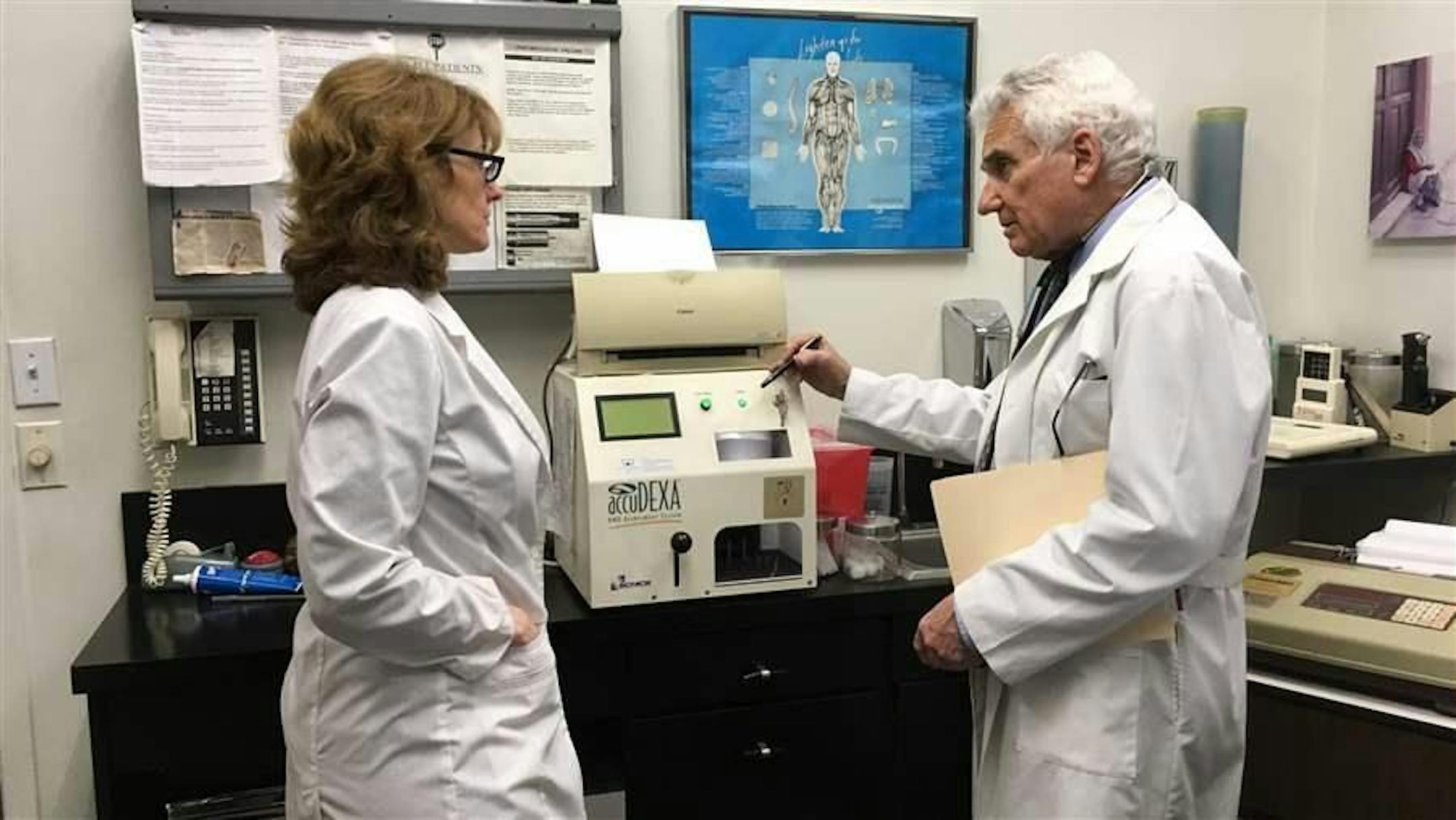
After a 12-year battle with debilitating abdominal conditions that forced her to stop working, marijuana has helped Lynn Sabulski feel well enough to look for a job.
Sabulski is among nearly 14,000 patients in New York state who are certified to use medical marijuana for one of 10 conditions, including her primary diagnosis, inflammatory bowel disease. Marijuana doesn't address her underlying disease, but it does relieve her painful symptoms.
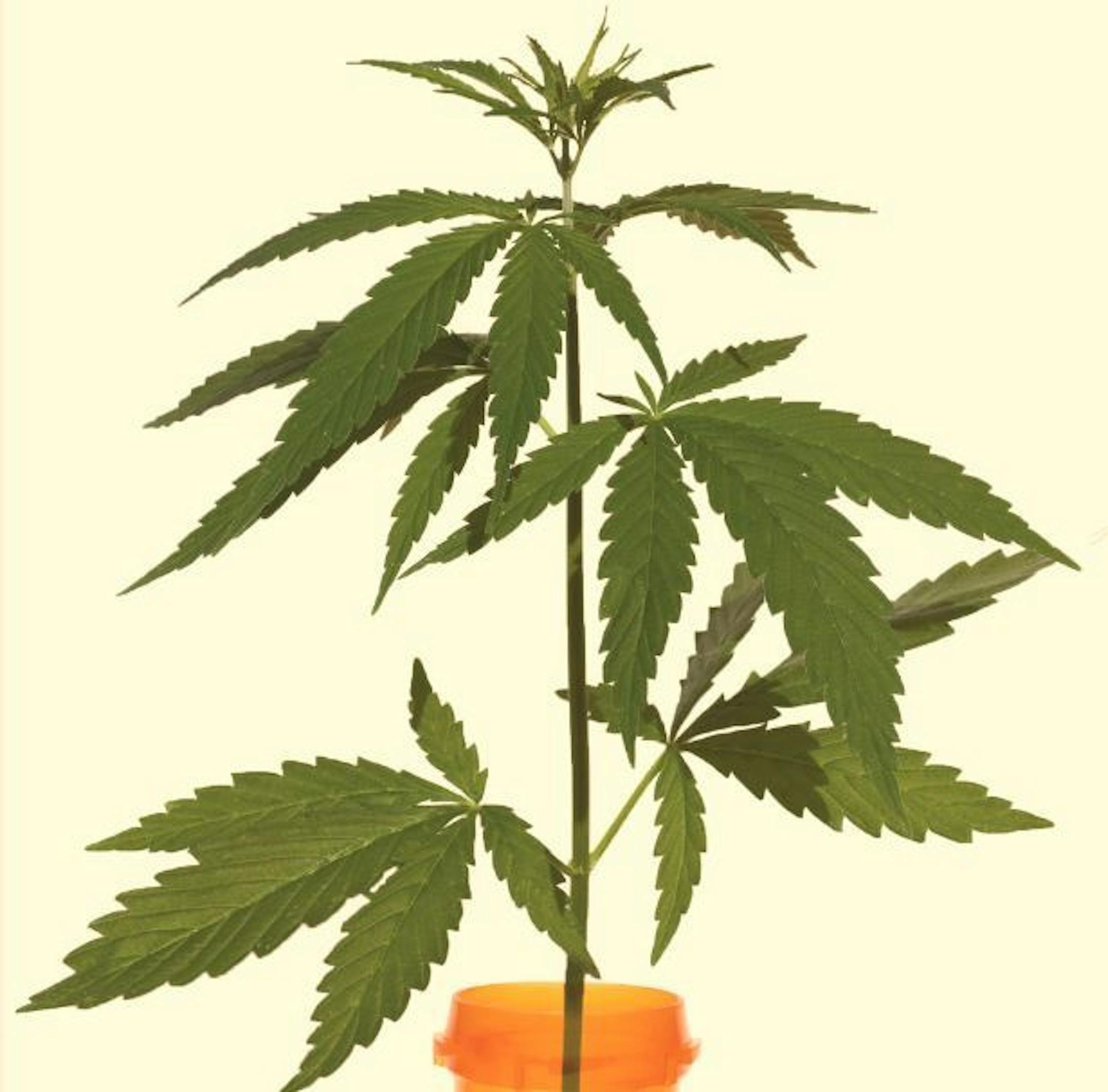
Nationwide, an estimated 1.4 million patients in 28 states and the District of Columbia use legal medical marijuana for a varying list of conditions. A much smaller number of patients in 16 states use limited extracts of the plant, primarily to treat seizure disorders.
In the midst of an opioid crisis, some medical practitioners and researchers believe that greater use of marijuana for pain relief could result in fewer people using the highly addictive prescription painkillers that led to the epidemic.
A 2016 study by researchers at Johns Hopkins Bloomberg School of Public Health found that states with medical marijuana laws had 25 percent fewer opioid overdose deaths than states that do not have medical marijuana laws. And another study published in Health Affairs last year found that prescriptions for opioid painkillers such as OxyContin, Vicodin and Percocet paid for by Medicare dropped substantially in states that adopted medical marijuana laws.
In December, the New York Health Department said it would start allowing some patients with certain types of chronic pain to use marijuana as long as they have tried other therapies. The state's original medical marijuana law did not include chronic pain as an allowable condition for marijuana use, in part over concerns that such a broad category of symptoms could result in widespread and potentially inappropriate use of the controversial medicine.
Advocates for greater use of medical marijuana argue that including chronic pain as an allowable condition could result in even further reductions in dangerous opioid use.
But some physicians remain cautious about recommending the botanical medicine as a pain management tool.