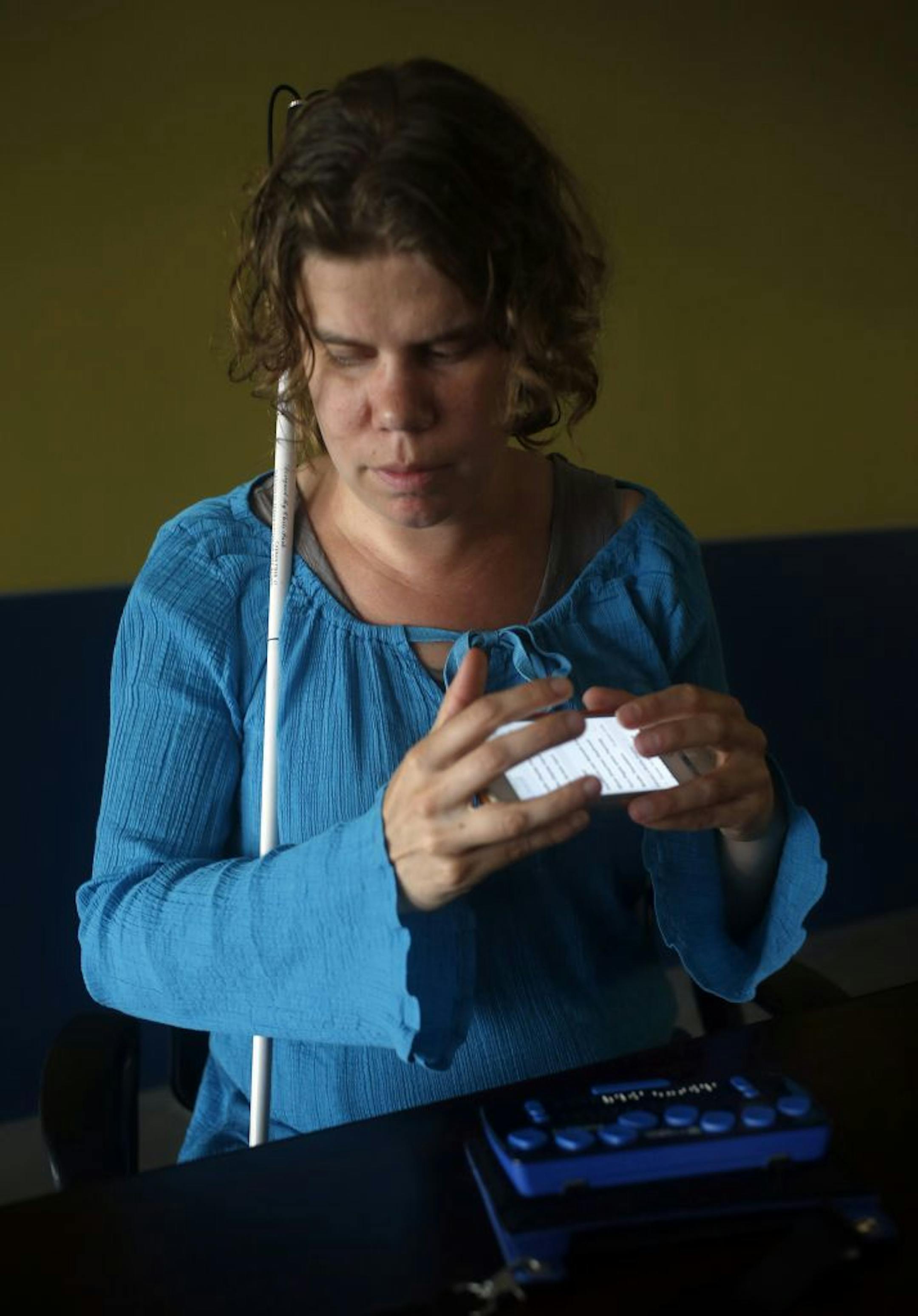
On a recent morning, six visually impaired people gathered in a building, huddled over their iPhones, waiting for Andrew Godwin's technology class to begin. The day's lesson? Creating and finding contacts in your cellphone.
At the Associated Services for the Blind (ASB) in Center City, people who are blind and visually impaired can learn the skills they need to survive and thrive in today's digital-first society.
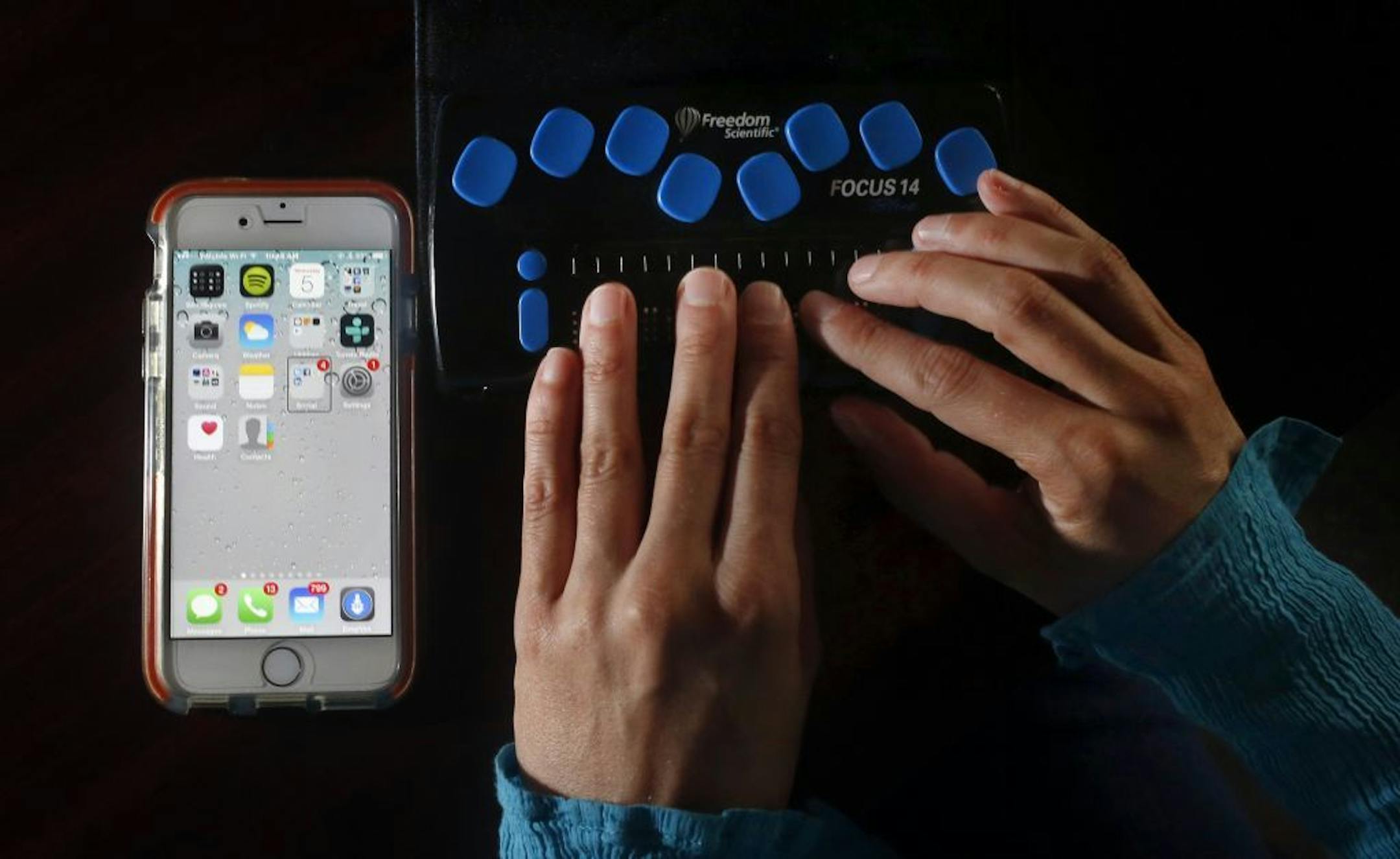
The nonprofit also offers classes to teach people with low vision how to read Braille. For decades, ASB has been one of the largest producers of Braille in the United States, creating versions of everything from books for the Library of Congress, to manuals for your cable box.
But the number of Braille readers has decreased significantly in the past 50 years. In 1960, half of all legally blind children in the U.S. were able to read Braille, the American Foundation for the Blind said. Today, fewer than one in 10 blind people possesses the skill.
The number of fluent readers has plummeted for a variety of reasons: a shortage of teachers, decreased emphasis on teaching Braille to low-vision individuals, and the rise of assistive technology.
"Technology offers the opportunity for those that are blind or visually impaired to live independently," said Godwin, 46.
To demonstrate, Godwin opened an app, SeeingAI, on his iPhone 5S and turned the camera to face himself. The phone described aloud what it saw: "56-year-old male with dark hair, looking happy."
Godwin laughed. "56?!" he said.