

There is a harrowing story in the New Yorker that everyone should grit their teeth and read. Written by Rachel Aviv, it tells the story of how a respected German psychologist named Helmut Kentler decided to foster neglected children with pedophiles, how he ran this experiment with government support for decades after the 1960s, and how it created exactly the kind of hells you would expect.
It seems almost impossible that this really happened. But the past is another country, and Aviv explains with bracing clarity how the context of the 1960s and 1970s made the experiment entirely plausible. The psychological theory of the Sexual Revolution, in which strict sexual rules imposed neurosis while liberation offered wholeness, was embraced with particular fervor in Germany because the old order was associated not just with prudery but with fascism and Auschwitz.
If traditional sexual taboos had molded the men who built the gas chambers, then no taboos could be permitted to endure. If the old human nature had ended in fascism, then the answer was a new human nature — embodied, in Aviv's account, by "experimental day-care centers, where children were encouraged to be naked and to explore one another's bodies," or appeals from Germany's Green Party to end the "oppression of children's sexuality," or Kentler's bold idea that sex with one's foster children could be a form of love and care.
All this was part of a wider Western mood, distilled in the slogan of May 1968: It is forbidden to forbid. In those years, famous French intellectuals petitioned to decriminalize pedophilia, while America had its own squalid forms of predation, whether in rock-groupie culture or Roman Polanski's Hollywood. But Aviv's story suggests that the Germans, never a culture for half-measures, took these ideas toward a particular extreme.
That today the readers of an impeccably progressive magazine recoil in horror from that extreme is, among other things, proof that revolutions don't move in one direction: You can climb back up a slippery slope; you can break a taboo and partially rebuild it.
But in its retreat from the Polanski era, its concession that sometimes it's OK to forbid, cultural progressivism entered into a long internal struggle over what its goal ought to be: to maximize permissiveness with some minimalist taboos (no rape, no sex with children) or to devise a broader set of sexual regulations that would reflect egalitarian and feminist values rather than religious ones.
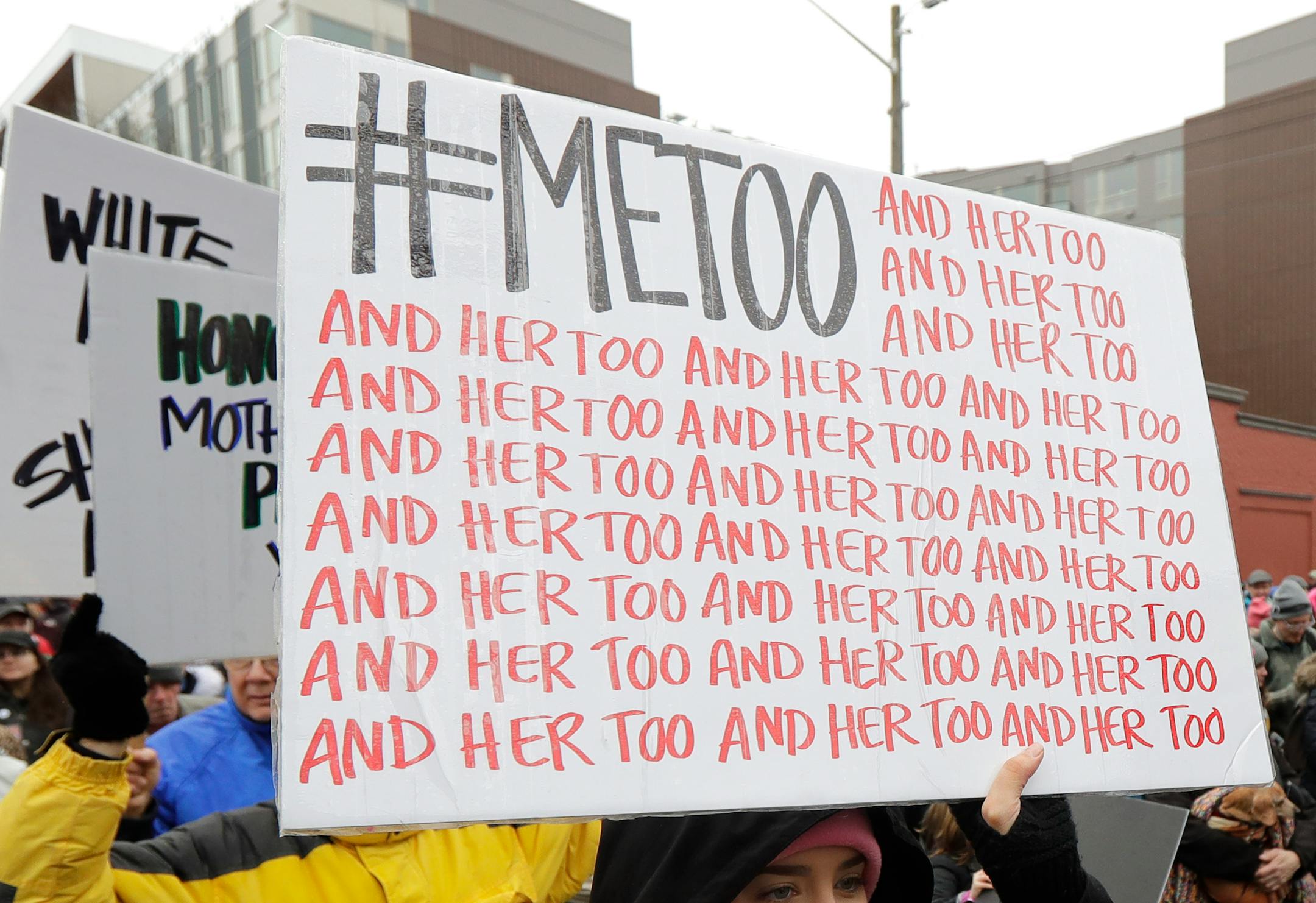
This tension is visible all over recent history. The mood in which liberals defended Bill Clinton's philandering was an example of the more permissive option. The mood of the #MeToo era, which condemned cads as well as rapists, is an example of the more regulatory approach.
The temporary alliance between anti-porn feminists and social conservatives in the 1980s was regulatory, while the rise of "sex-positive" feminism was permissive. The way that same-sex marriage was championed as a conservative and bourgeois reform was more regulatory; the shift toward emphasizing the fluidity and individuality of sexual identity was more permissive.


