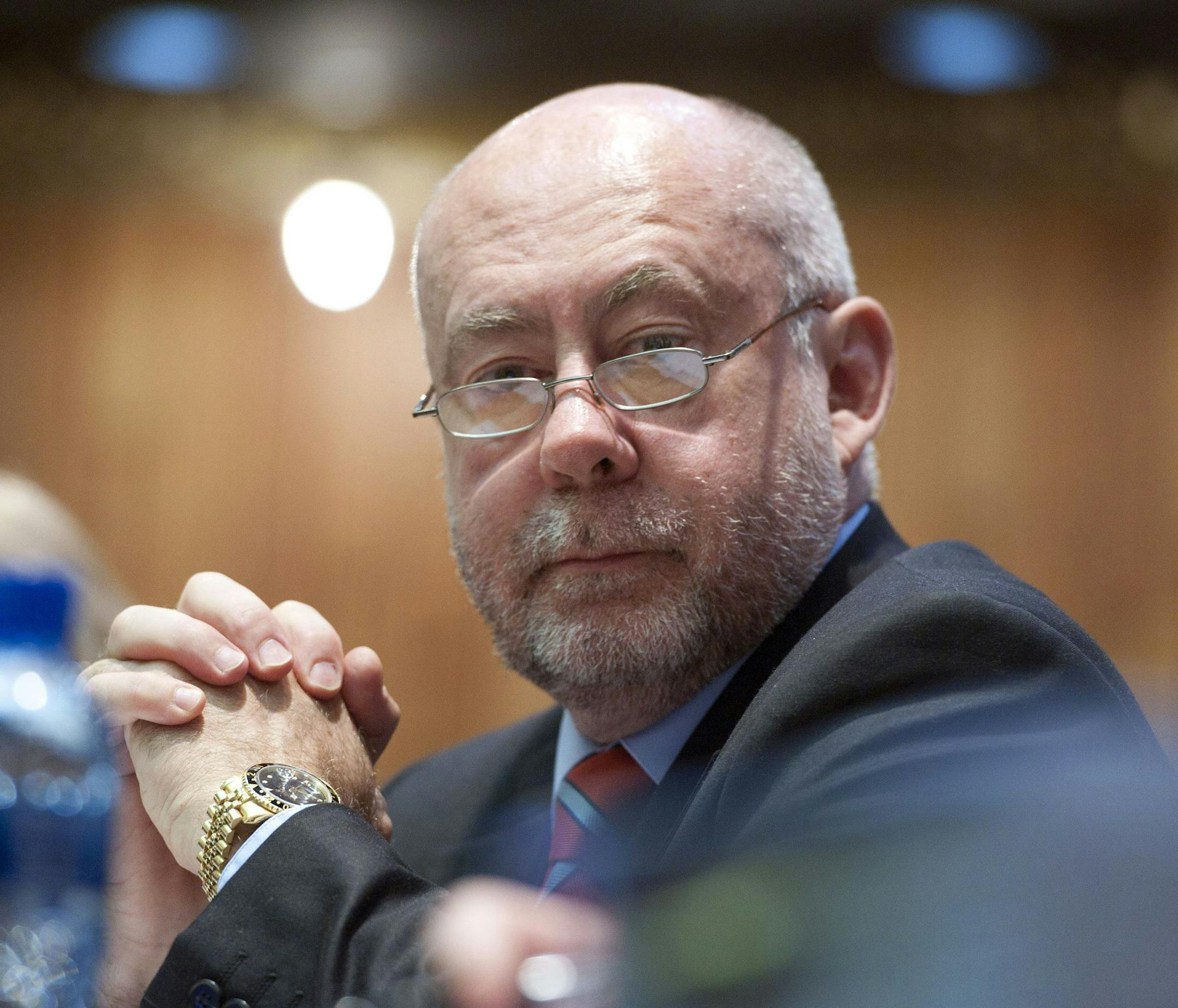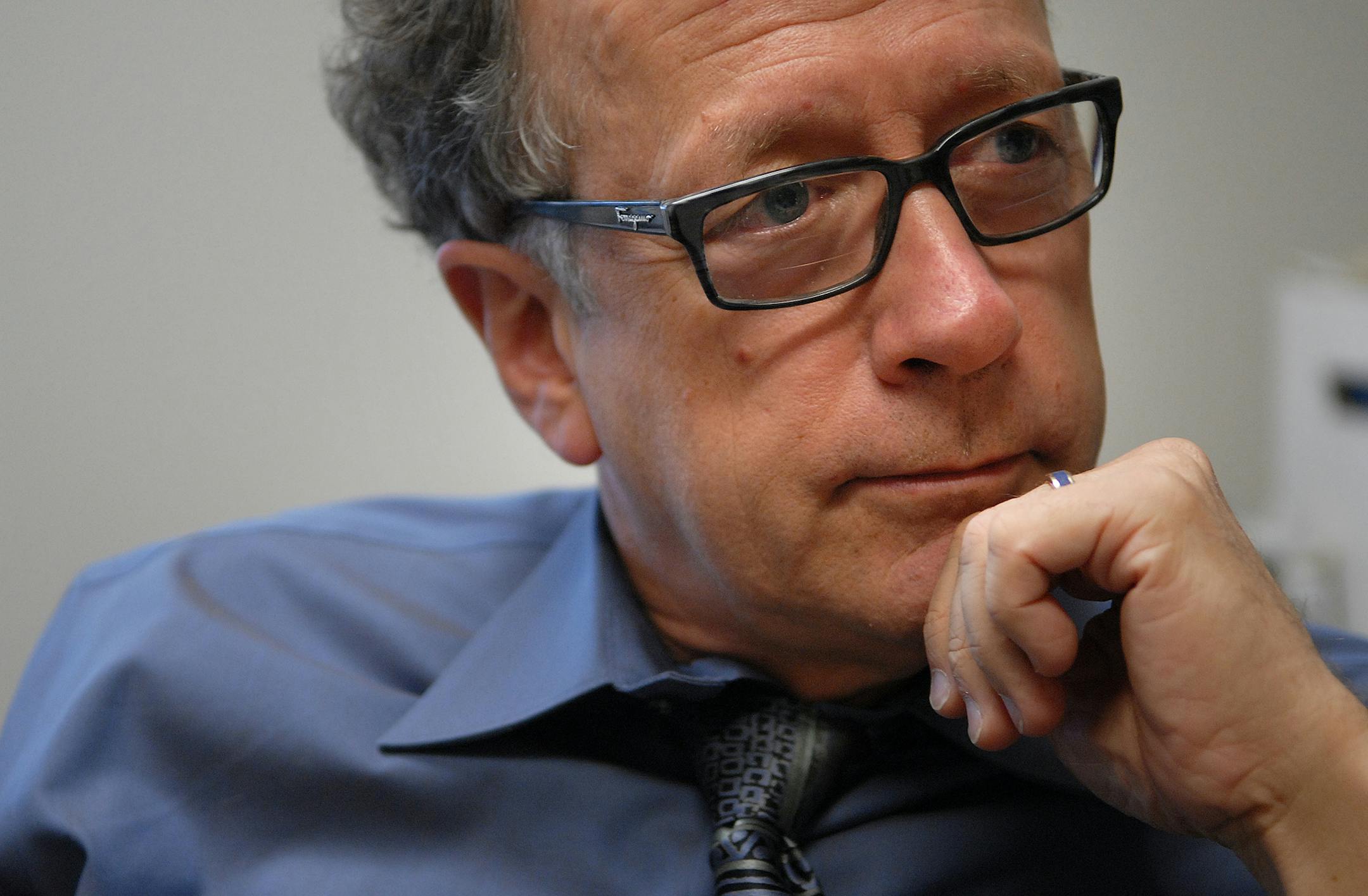
To Dr. Steve Miles, the news out of South Africa on Wednesday couldn't have been better. A doctor named Wouter Basson was found guilty of violating international medical ethics for making chemical and biological weapons for the apartheid regime.
It was the first time that Basson — known as "Dr. Death" — had been held accountable for his role in the bloodshed of the 1980s. And it probably wouldn't have happened but for Miles, a medical ethicist at the University of Minnesota, who made four trips to South Africa to testify against him.
"This is a huge deal," Miles said of the decision.
In its decision against Basson, South Africa's Health Professions Council relied heavily on Miles' testimony that doctors are bound by the same ethical obligations in war as in peace.
It found that Basson, a cardiologist in Cape Town, had breached the ethics of his profession when he ran "Project Coast," a secret weapons program that was linked to kidnappings and murder.
It was, in many ways, a symbolic victory, because Basson had already been acquitted of all criminal charges in a 2002 trial.
But this time, he was facing the judgment of his medical peers. Miles, who has studied the medical profession's role in torture and war crimes, says the importance of this kind of justice shouldn't be underestimated.
Miles was brought in as an expert witness when the case against Basson was falling apart in 2008. A previous expert in medical ethics had "crumbled" on the stand, according to newspaper accounts, under cross-examination from Basson's lawyer. Miles made sure he was prepared.