The man in charge of Voyageurs National Park in far northern Minnesota is pleading with visitors, many of them first-timers looking to escape the COVID-19 pandemic, to stop leaving their trash behind at one of the state's most cherished natural resources.
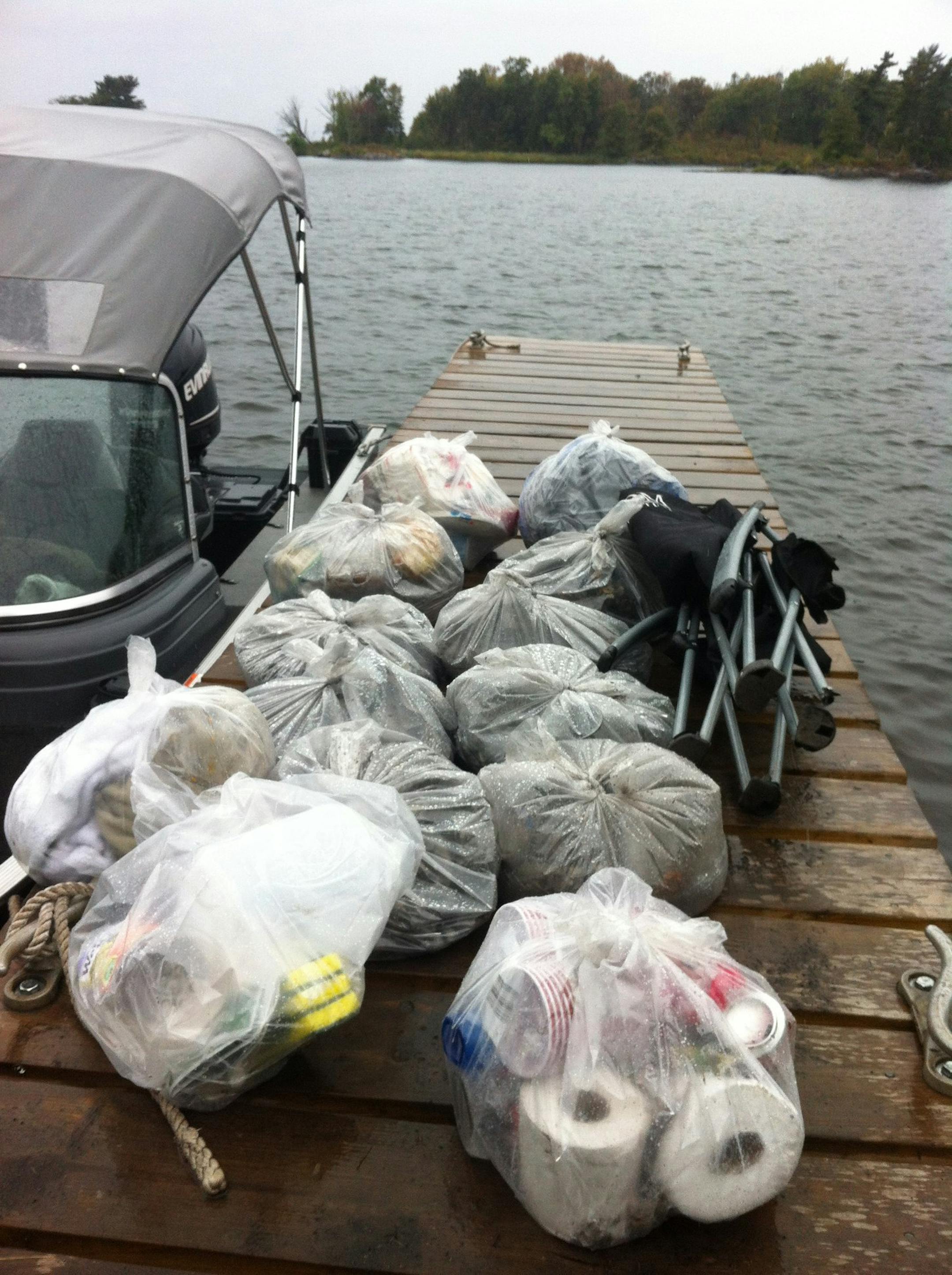
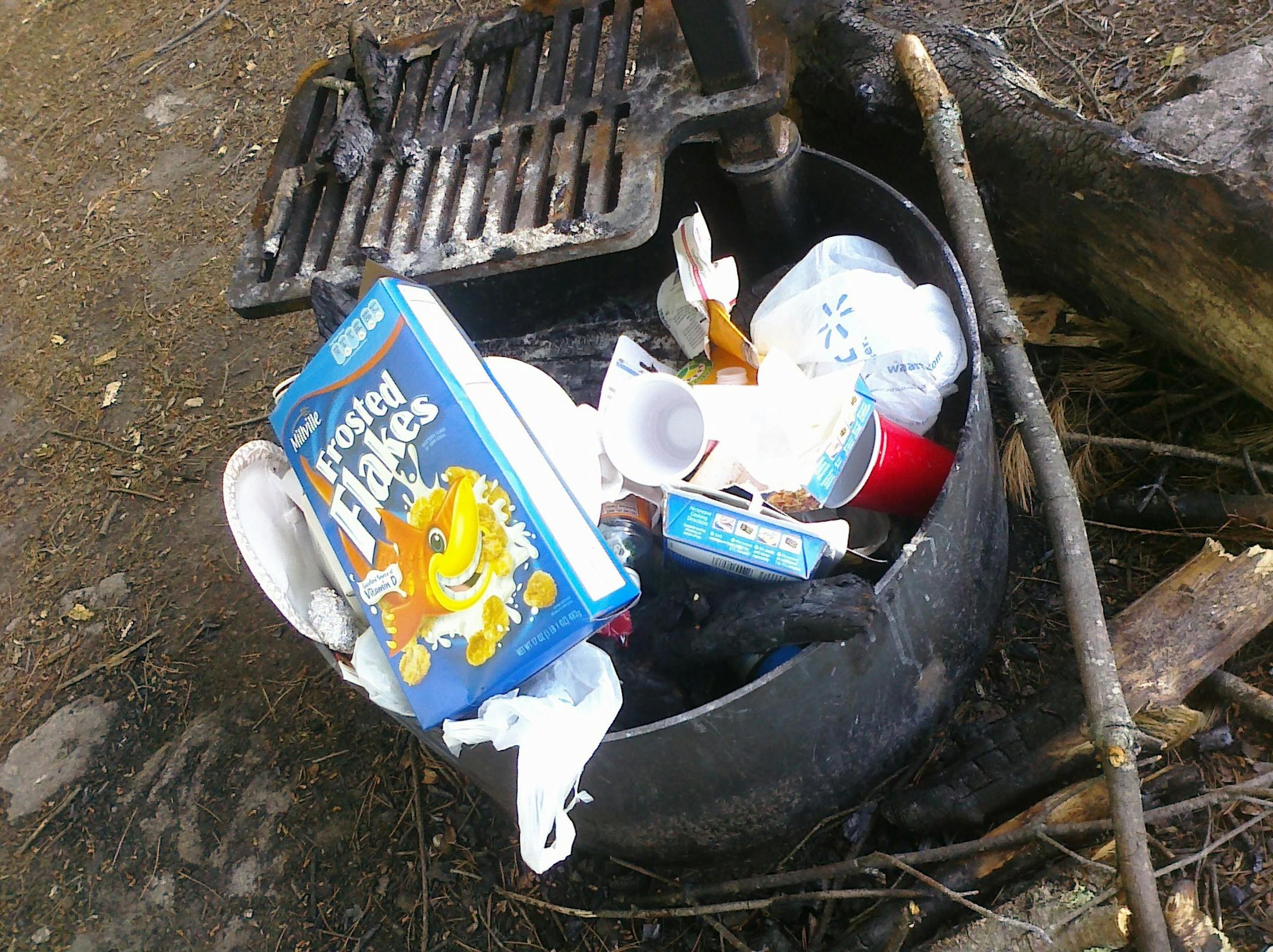
Park officials posted photos on their Facebook page this week showing food containers, beer cans, rolls of toilet paper, plastic bottles, broken camping equipment and other garbage where people camped or made day trips.
Voyageurs Superintendent Bob DeGross said Thursday he suspects that the 40 to 50% increase in overnight camping this season is "due to the naturally social-distancing recreation that Voyageurs National Park provides" at its 150 campsites.
Also likely feeding the park's surge in popularity, DeGross said, is the closing of the Canadian border to nonessential travel by Americans who "may be choosing to explore just south of the border on the Minnesota side."
DeGross said the park is also hosting many newbie overnight visitors who might not be familiar with the courtesies of how to police a campsite and are violating the golden rule to leave no trace that you've been there for the next person to encounter.
"Any of us, when we go out to recreate in nature, want to feel as if no one of us has been there before," said DeGross, who counts himself not only as the park's superintendent but a visitor who has found himself recreating there more during the pandemic. "It would be nice to go to a campsite and say, 'Wow, no one else has been here before me.' "
The park sits on the Minnesota-Canada border and covers 340 square miles. Four main lakes — Rainy, Kabetogama, Namakan and Sand Point — make up 40% of the park.
The wild and rugged Kabetogama Peninsula makes up most of Voyageur's land mass; it is studded with small lakes. Most visitors explore Voyageurs by kayak, canoe, motorboat or houseboat.