I've gone through numerous digital cameras and I've become quite opinionated about what features a home inspector should look for in a camera. I recently sent an email to one of the newest inspectors on my team, giving some camera buying advice. Once I was done with that email, I realized it would make for a good blog topic as well. Even if you're not a home inspector, some of this advice might be helpful.
Ergonomics
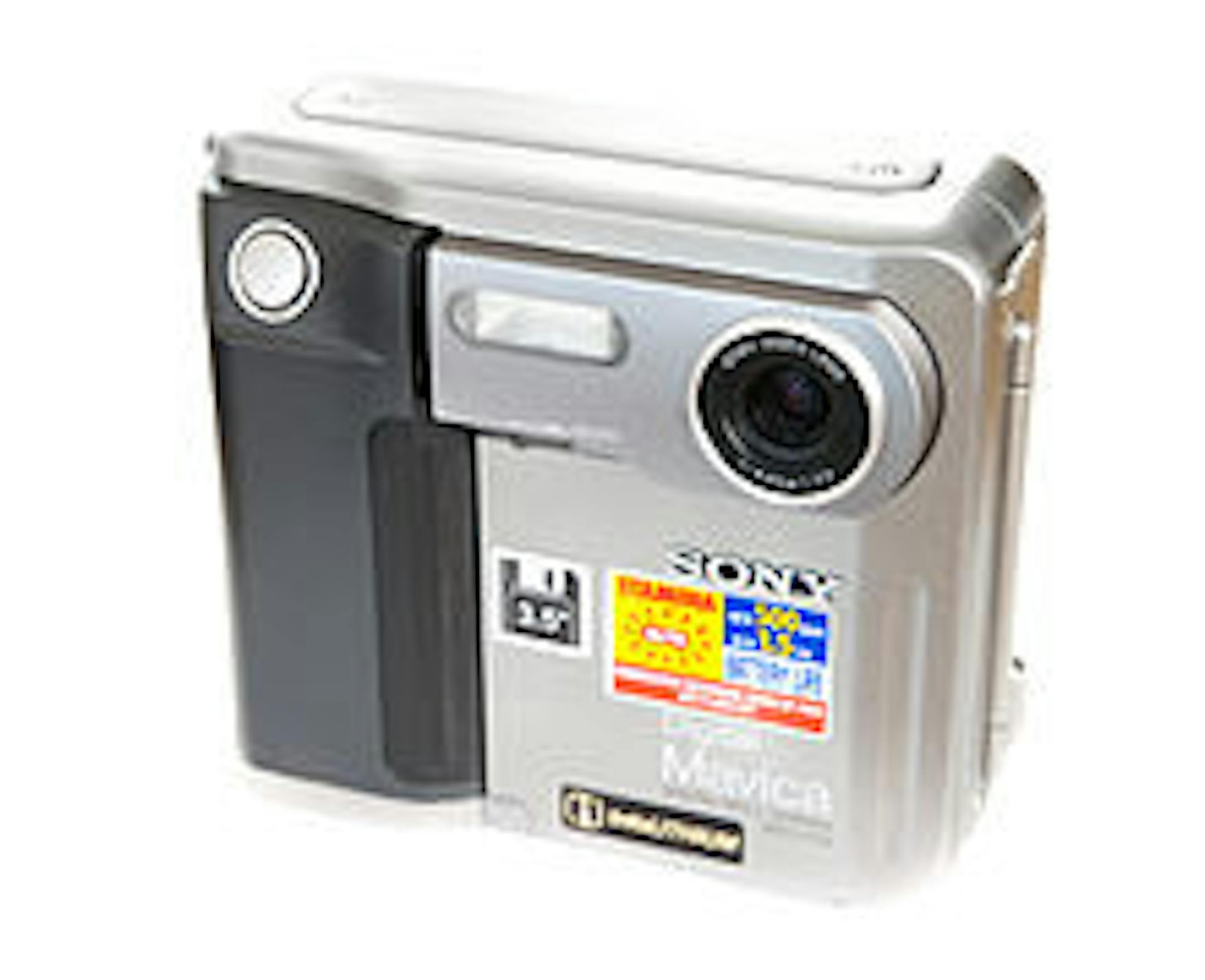
I recommend using a mid-sized camera that feels good in your hand. The opposite of an ergonomic camera is any camera shaped like a bar of soap that easily slips out of your hand. This camera will be easy to drop, and you'll drop it and break it. I know that many home inspectors prefer small cameras like this because the camera will easily slip into a front shirt pocket, but too bad. I'll take ergonomics over size any time.
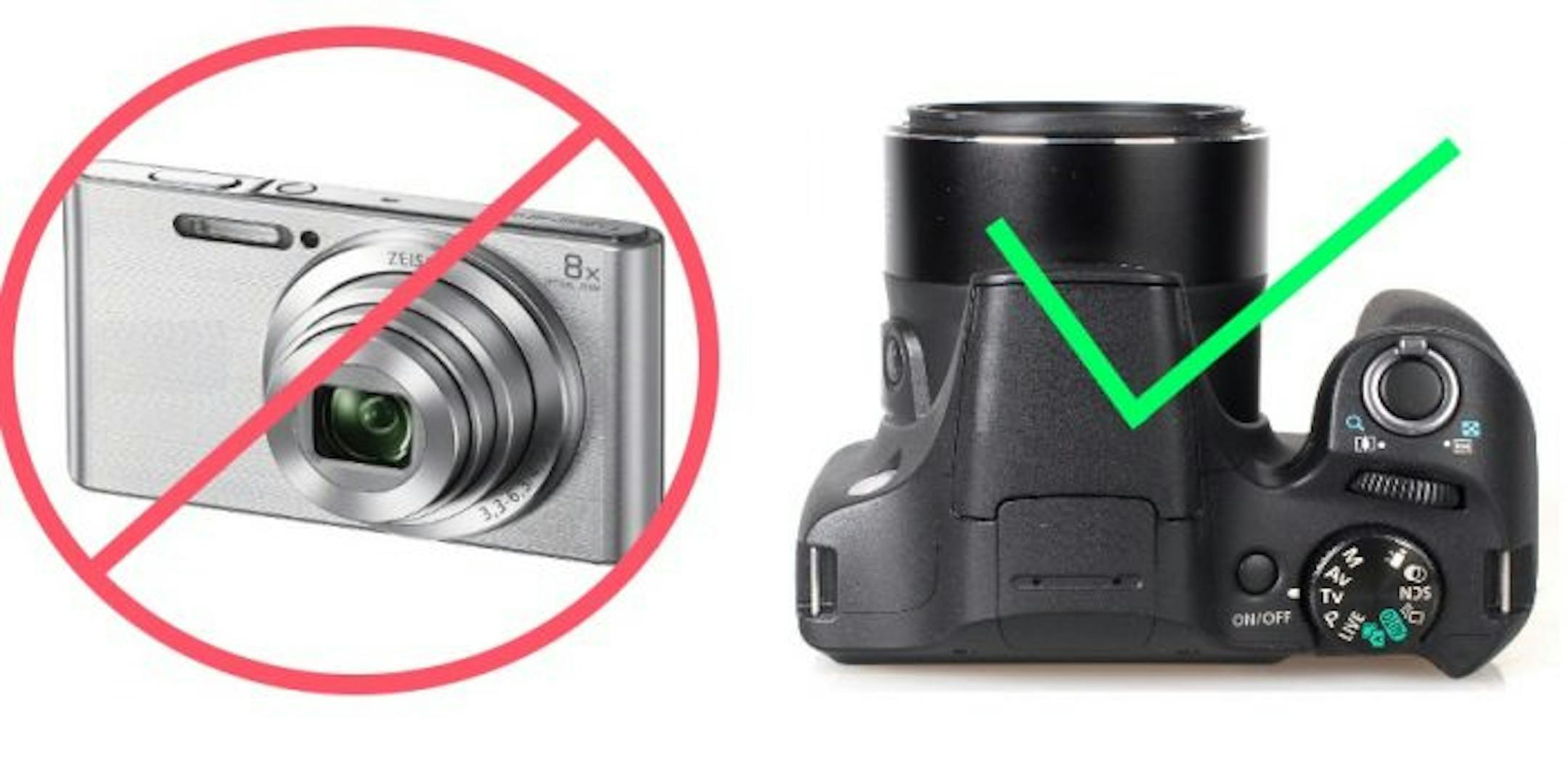
Oh, and think about cold weather and gloves if you're in a cold climate. Using a tiny camera is especially frustrating while wearing warm gloves. A larger camera with a big button is easy manageable.
Zoom
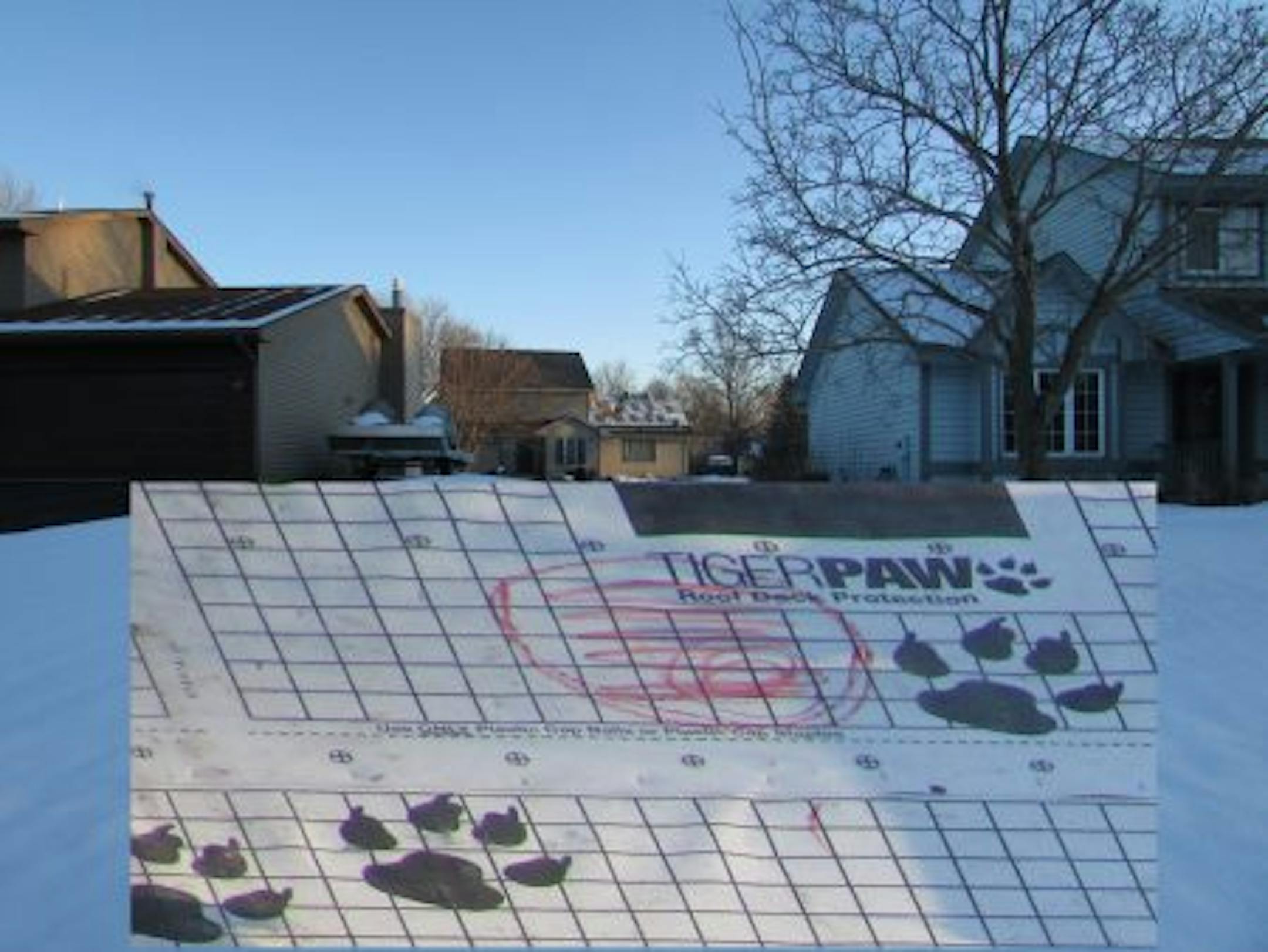
The more the better. This surely goes without saying, but optical zoom is the only thing that should be considered. I've been using a camera with a 30x zoom for the past eighteen months, and I can't see myself going back to anything with a lesser zoom. I used to use binoculars to inspect chimneys and roof coverings that I couldn't safely access with a 28' extension ladder, but now I simply look at the zoom on my camera and take numerous photos from the ground to review on a computer screen later at home.
Flash
I wish there was some spec to compare that would tell me how well a camera could light up the far side of an attic while taking a photo, but there's no such thing... at least not that I've been able to find. The best way I've found to determine how well a flash will light things up is to simply look at the size of the flash. The larger the flash, the more light.
The flashes that are always exposed are typically the smallest. Pop-up flashes always seem to put out more light, so look for a pop-up flash. I don't like spring activated flashes, and especially not motor-activated flashes. Those are just two more things that can fail, and I've had both of them fail. The best flashes are the pop-up types that are manually operated. You simply set your camera to always flash when the flash is open, which makes it very easy to control when the flash goes off and when it doesn't. It just takes a quick flick of your finger to open or close the flash, and this can easily be done with big gloves on.
Macro

As far as I know, all cameras have a "macro" setting, which is what is used for taking close-up photos. This is what the universal flower button on cameras is for. Some cameras have a manual macro setting and some are automatic, but every camera I've ever owned has had this setting. What home inspectors need is the ability to use the macro setting in conjunction with the flash on their camera. Some cameras do an excellent job of this, while other cameras completely white-wash everything with the flash, rendering the photo useless.
I regularly use the flash along with the macro setting when taking pictures of data plates on appliances, and while taking photos of the insides of electrical panels. When I find carpenter ants, I take close-up photos of them too, simply to document their presence.