Day 3: August 4
I'll be honest with you: Napa isn't my favorite wine destination. I guess it's because it's a bit more formal than I am. And by "a bit" I mean "a lot." But Napa makes some incredible wines; I mean, there's a reason why Napa has the reputation for wine that it does. So, even though I had to put on a dress, I was looking forward to today's three stops.
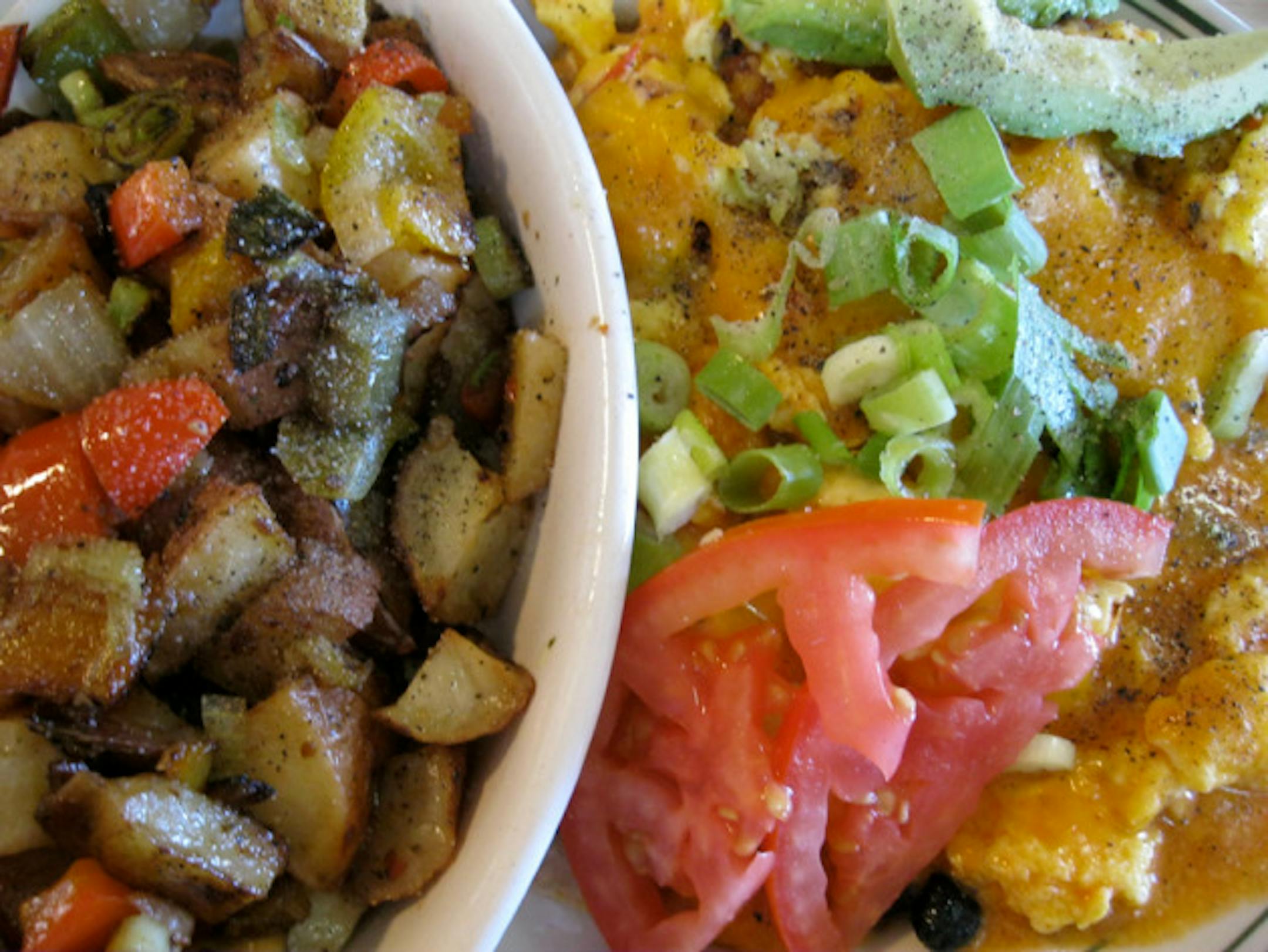
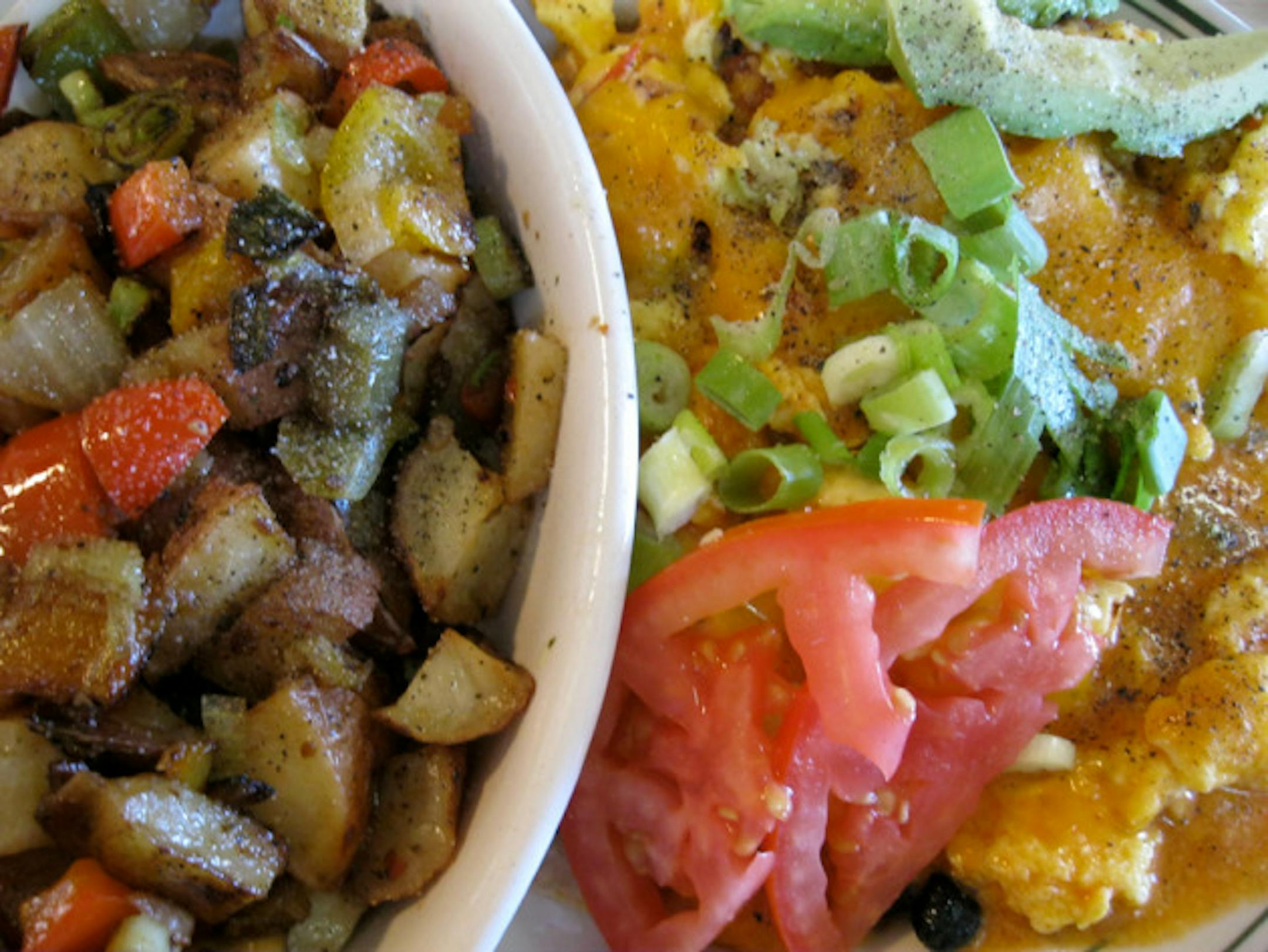
We started the morning still in Lodi and went back to Michael David to have a farm-fresh breakfast at their restaurant. And farm fresh it was: My huevos rancheros included local eggs from free-range hens, local cheese, country potatoes made with onions and peppers, and homemade salsa made from Phillips Farm tomatoes. It was the perfect way to start the day.
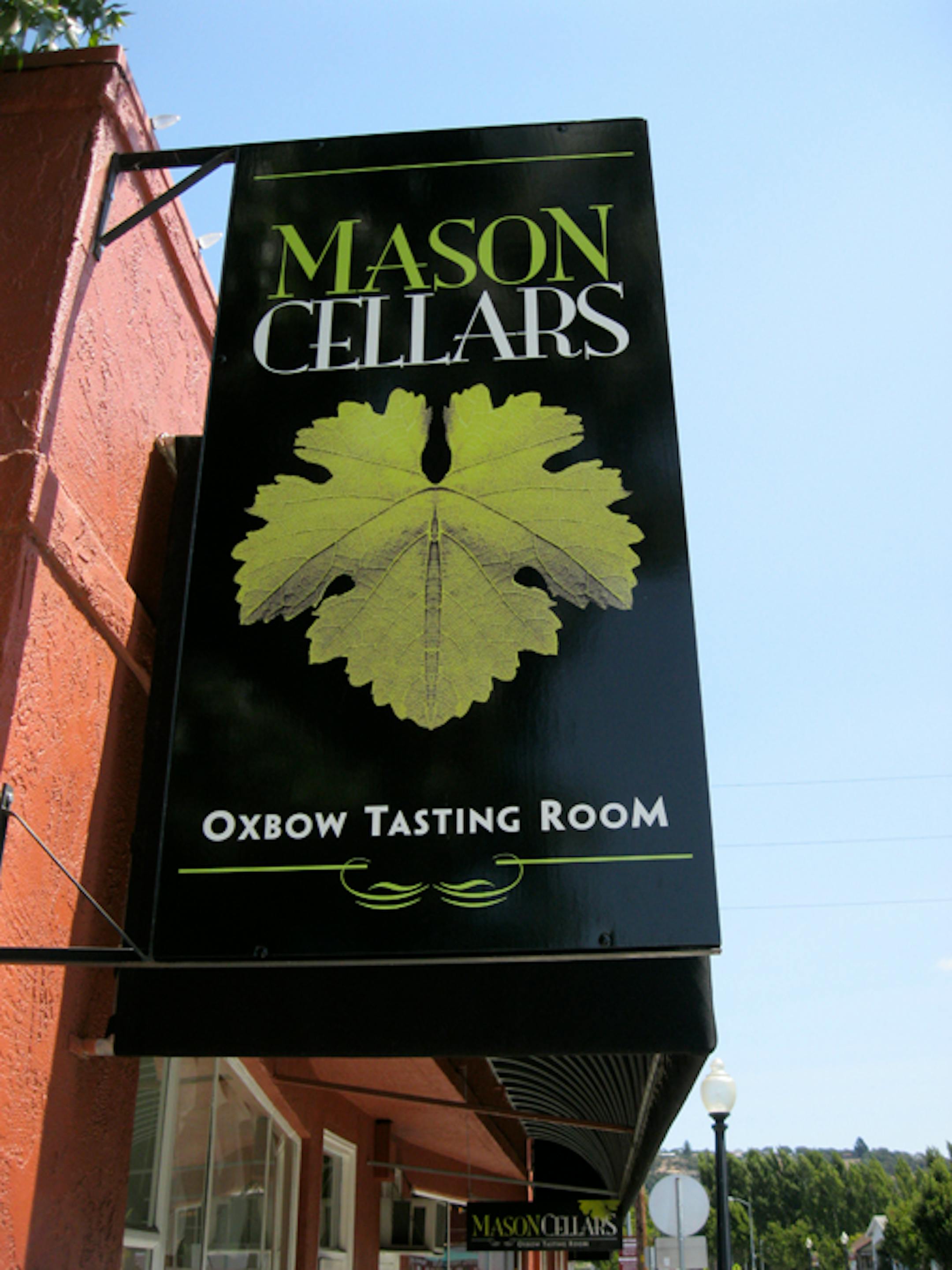
We then left for Napa. First stop: Mason Cellars
Mason Cellars has its tasting room in Napa, but sources grapes from various areas including Lodi, Napa, and Russian River. Mason Cellars is all about whites: especially Sauv Blanc. If you make it to the tasting room however, you'll also be treated to their Napa Merlot and Napa Cab, which they make in small batches for the tasting room only.
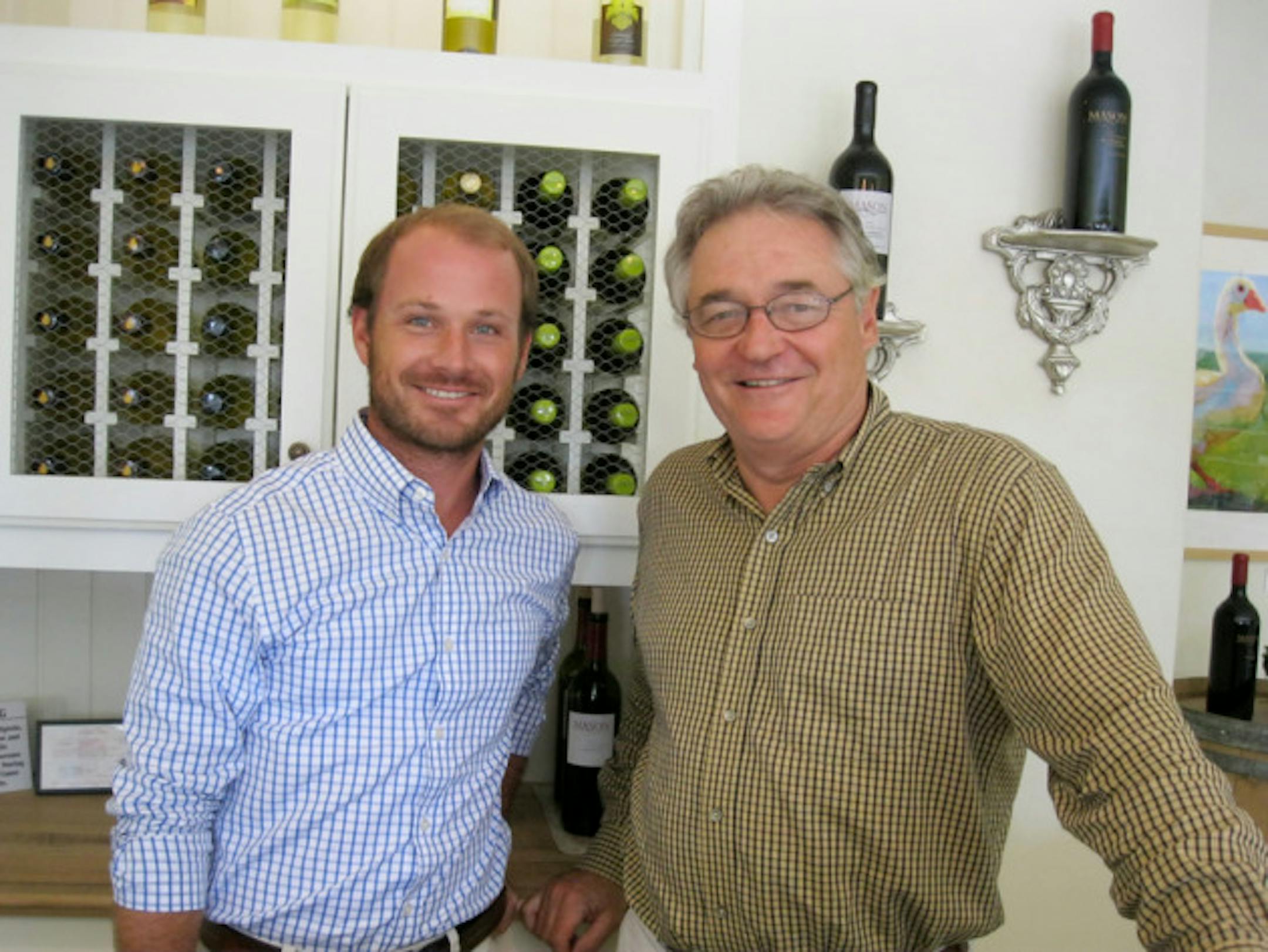
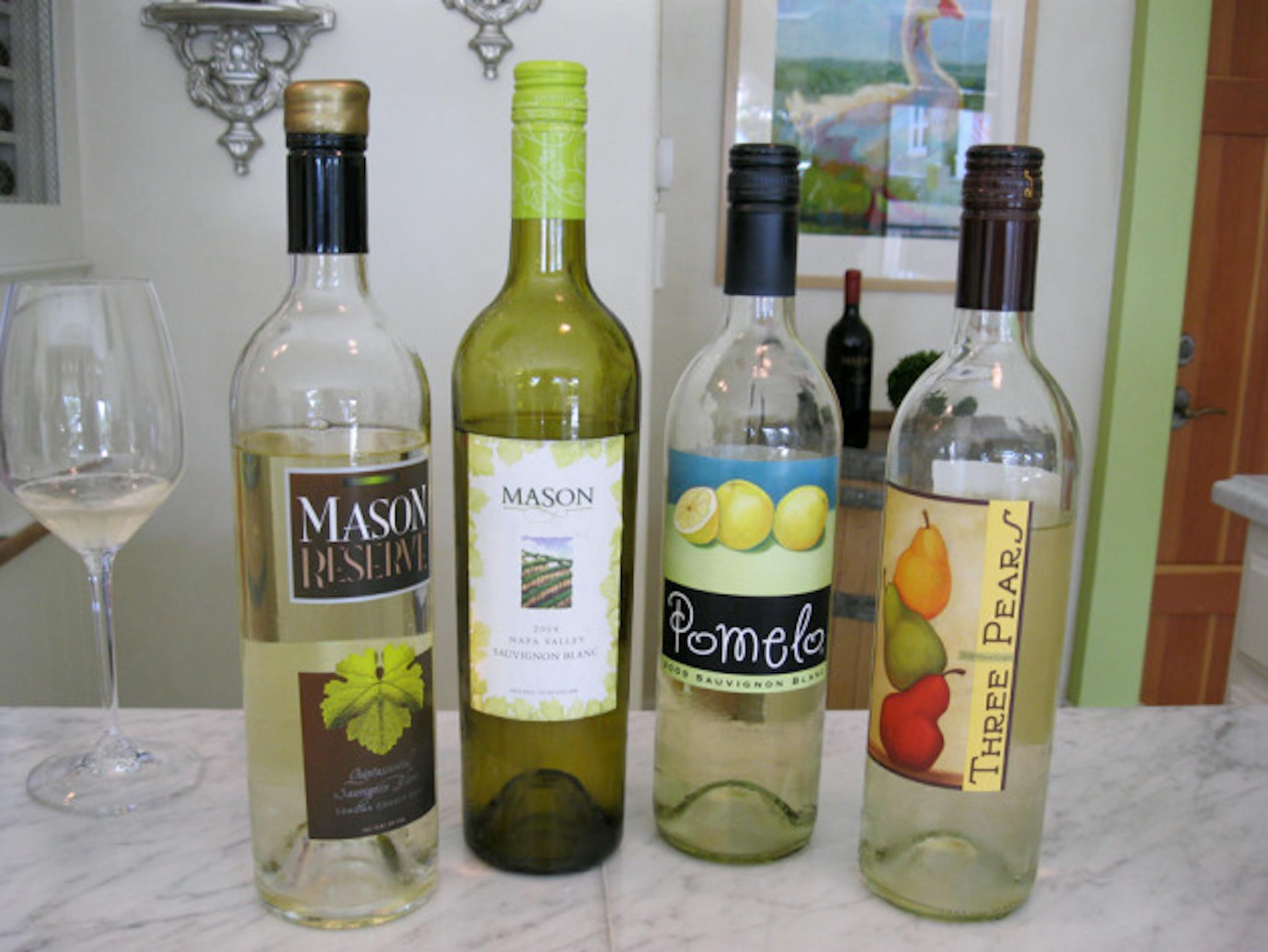
We met with VP Grant Hemingway (I didn't ask if there was any relation, but boy was I wondering … especially after enjoying Midnight in Paris recently) and owner/winemaker Randy Mason, a Napa star who's been making wine for thirty years. We started with their budget-friendly Three Pears Pinot Gris (around $11 retail), which brought out flavors of not just pear, but also stone fruit and apple. We then moved to Pomelo Sauvignon Blanc (also around $11 retail), which is all about the grapefruit. It's a big seller at our store and available in stores and restaurants around the city. It's one of the better summer sippers I can think of, and a great wine for the cost.
Mason's budget wines are phenomenal values, but it was hard not to fall in love with their higher end Sauv Blanc, self-titled Mason Sauvignon Blanc. With greater weight and complexity than the Pomelo, this is a sur lie wine (a process in which the wine is left on the lees—mostly yeasts—instead of being filtered away from them) and that toasty, baked-bread quality often associated with sur lie wines came through. And then we had a 2007 Reserve Sauvignon Blanc (not available for purchase) and I was reminded that some whites—with the right closure, in the right conditions, with the right PH, etc., etc.—can age really well. This bottle was incredible.
Randy and Grant were wonderfully kind and accommodating, but before we got too comfortable, we had to head to our next appointment: Honig Winery.
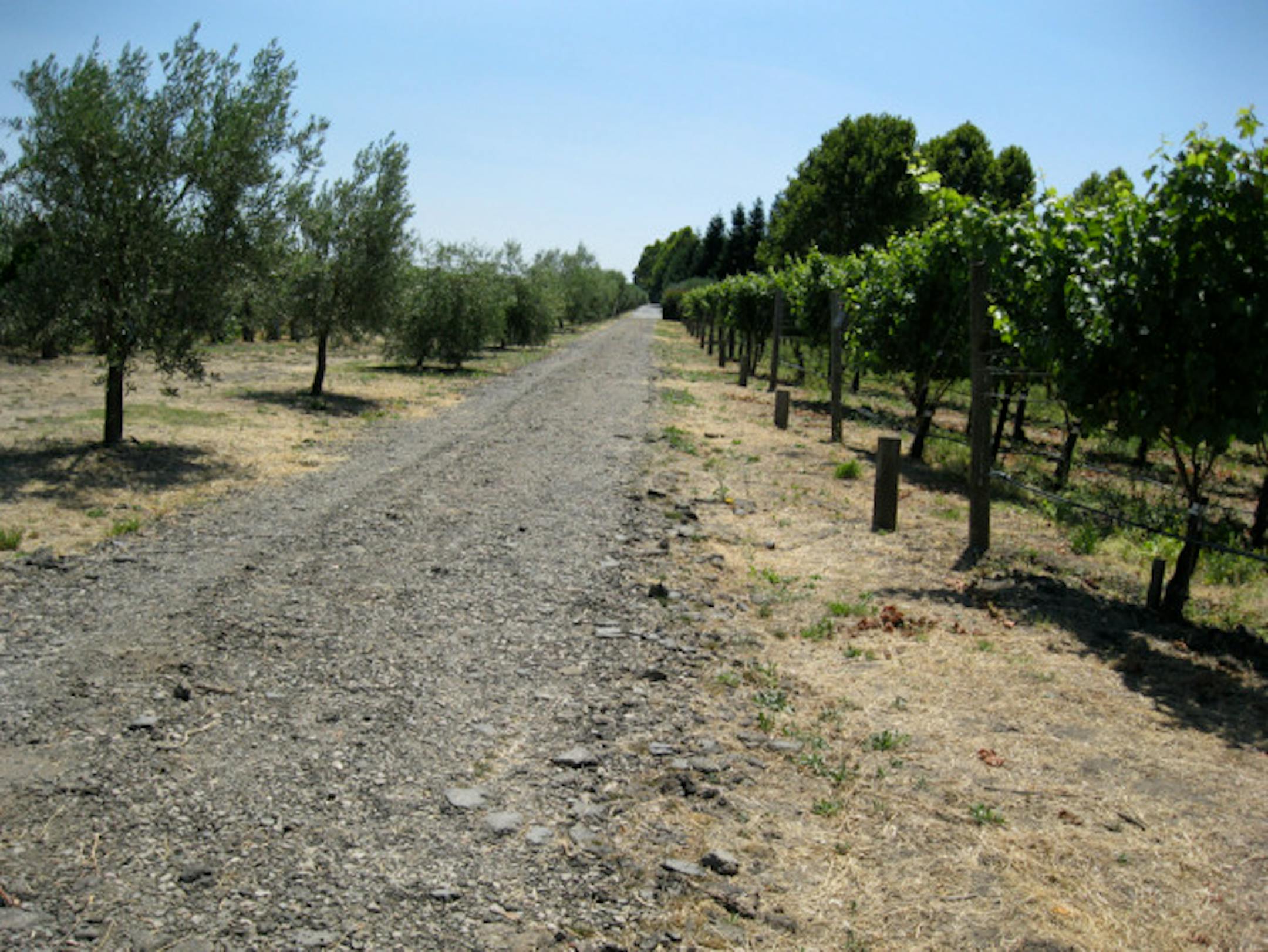
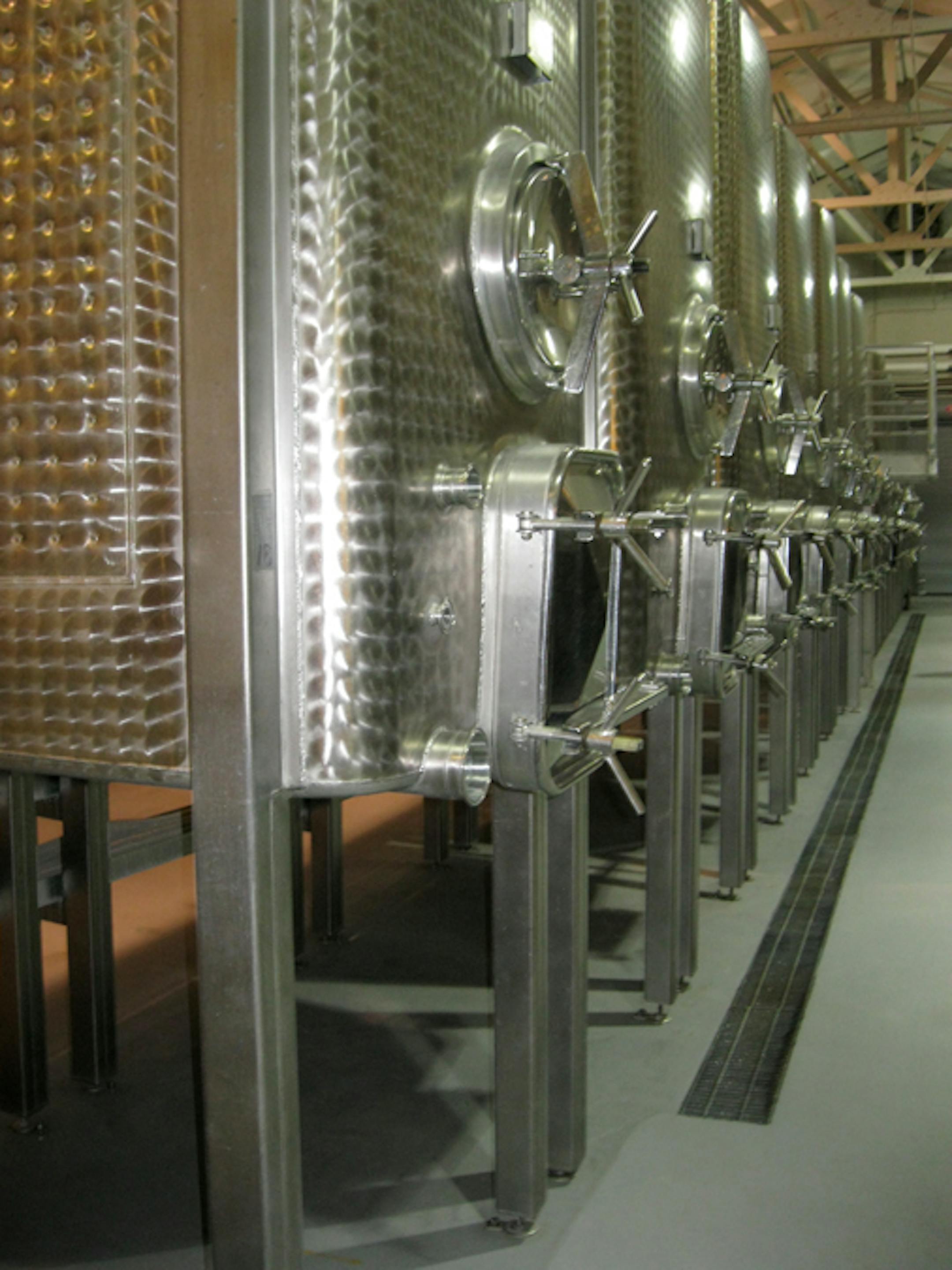
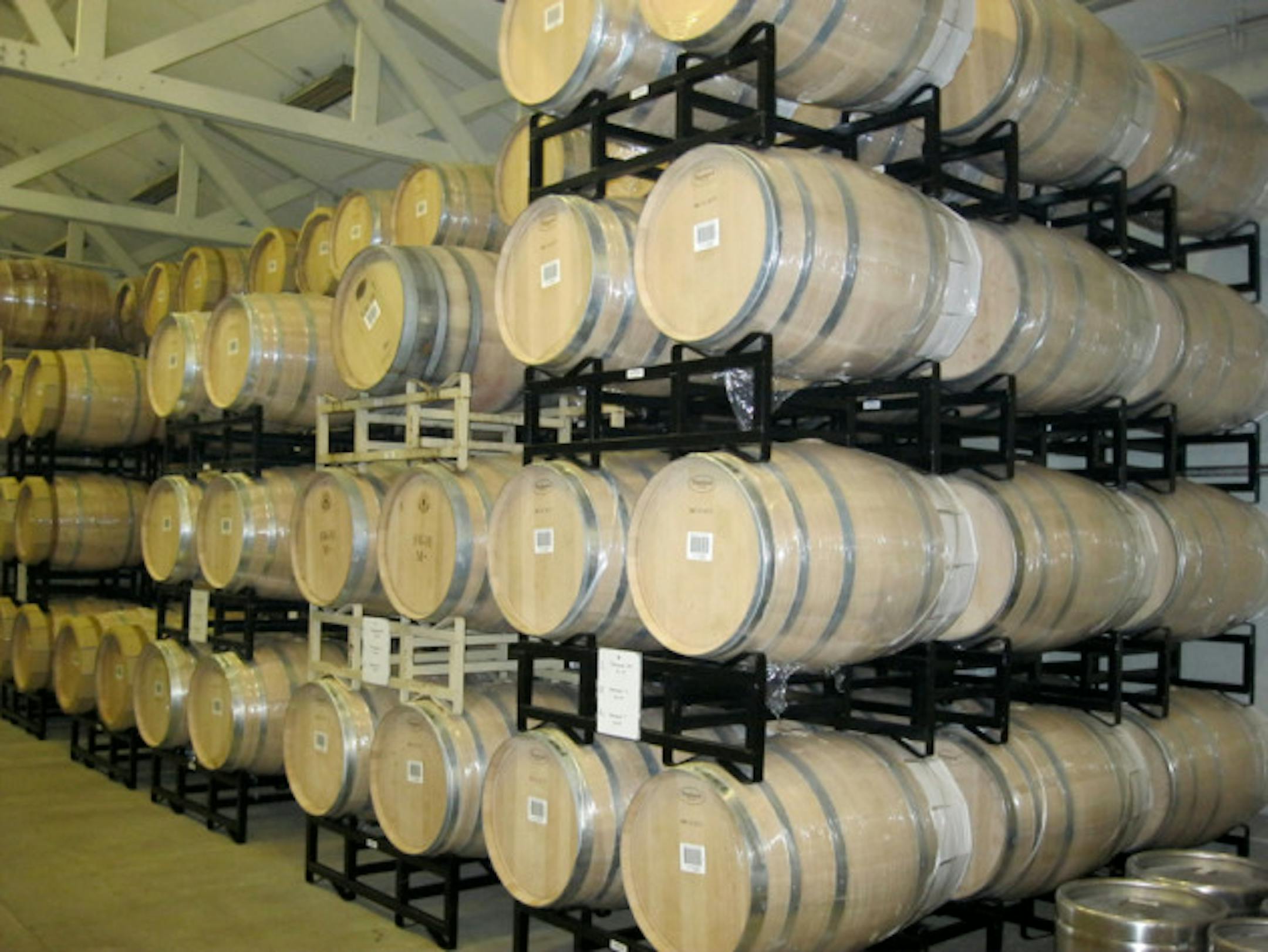
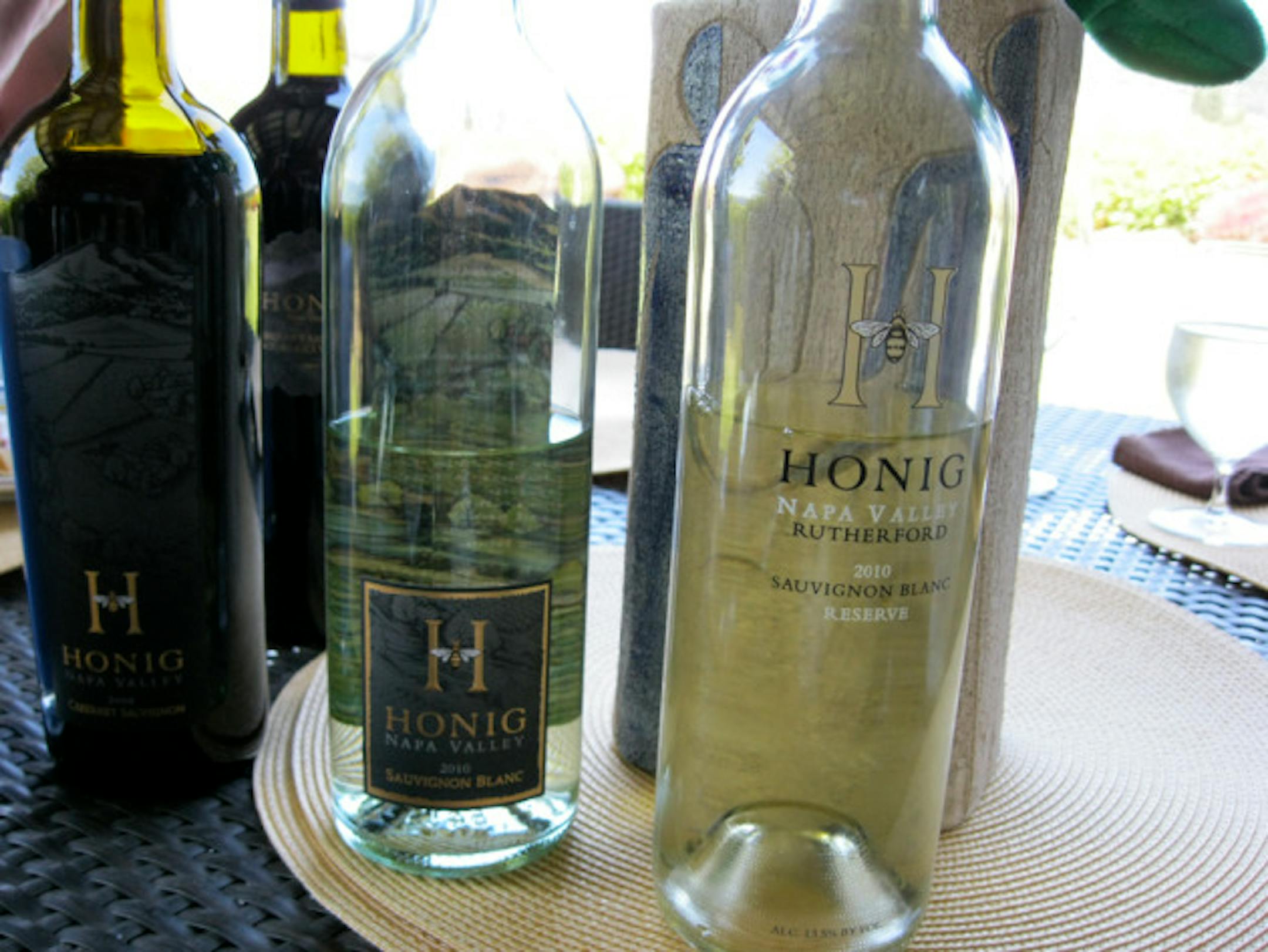
Honig, which focuses solely on Sauvignon Blanc and Cabernet Sauvignon, is, like many of our stops, a family-run winery. We know the wines from this winery well, so our visit today was more informal. While we had a mini-tour, the bulk of our visit was joining Stephanie Honig (wife of winery owner, Michael Honig) and assistant winemaker Brett Adams for lunch at the winery. What stands out to me about this winery (besides their wine) is its sustainability practices and the winery's dedication to helping others find their way within this field. Because of this, my questions mainly surrounded this focus. I used to think of sustainable wines as wines created using organic practices without the official designation (an organic designation takes time and a whole lot of money after all), but Honig and Adams explained how much more it truly is.
Sustainability, Honig explained, is about supporting an entire ecosystem; reducing waste, water and power usage, and one's carbon footprint; and creating a business model that not only supports the environment, but also employees and the community.
There are no formula or "rules" like organic and biodynamic designations—what each winery can do might be different from another—so it's hard to monitor. New regulations, though allowing for flexibility, are hoping to address this, and the Honigs were crucial in making that happen. But what Honig Winery is doing in its own vineyard and winery is remarkable.
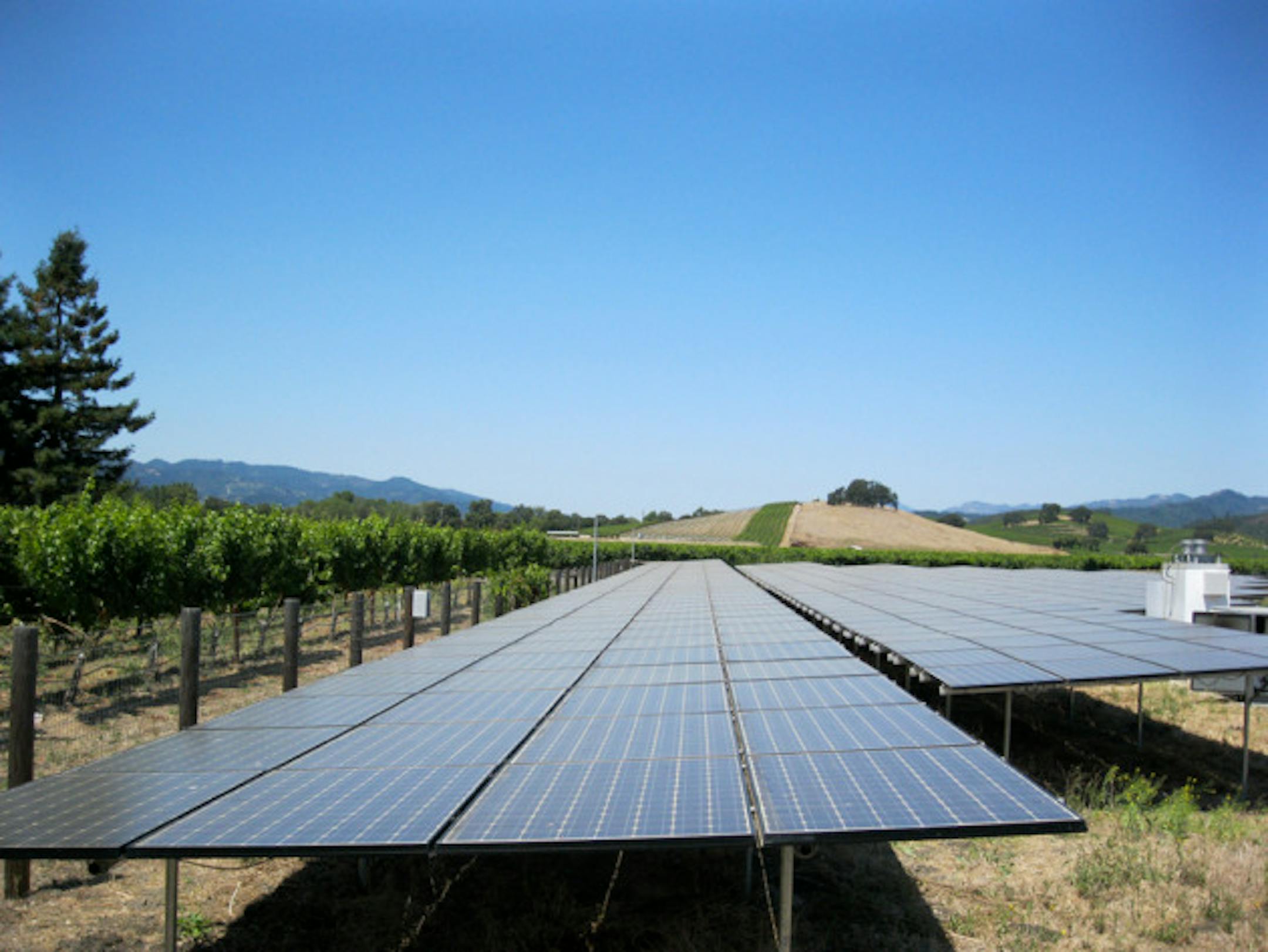
Perhaps what's most noticeable at first are their solar panels.