

When drivers use smartphone apps to get directions or measure mileage from one location to another, the resulting calculation is one grounded in an obvious reality: Humans don't fly, which is why these programs don't kick out straight-line "as the crow flies" results. Instead, they direct drivers over existing roads to desired destinations.
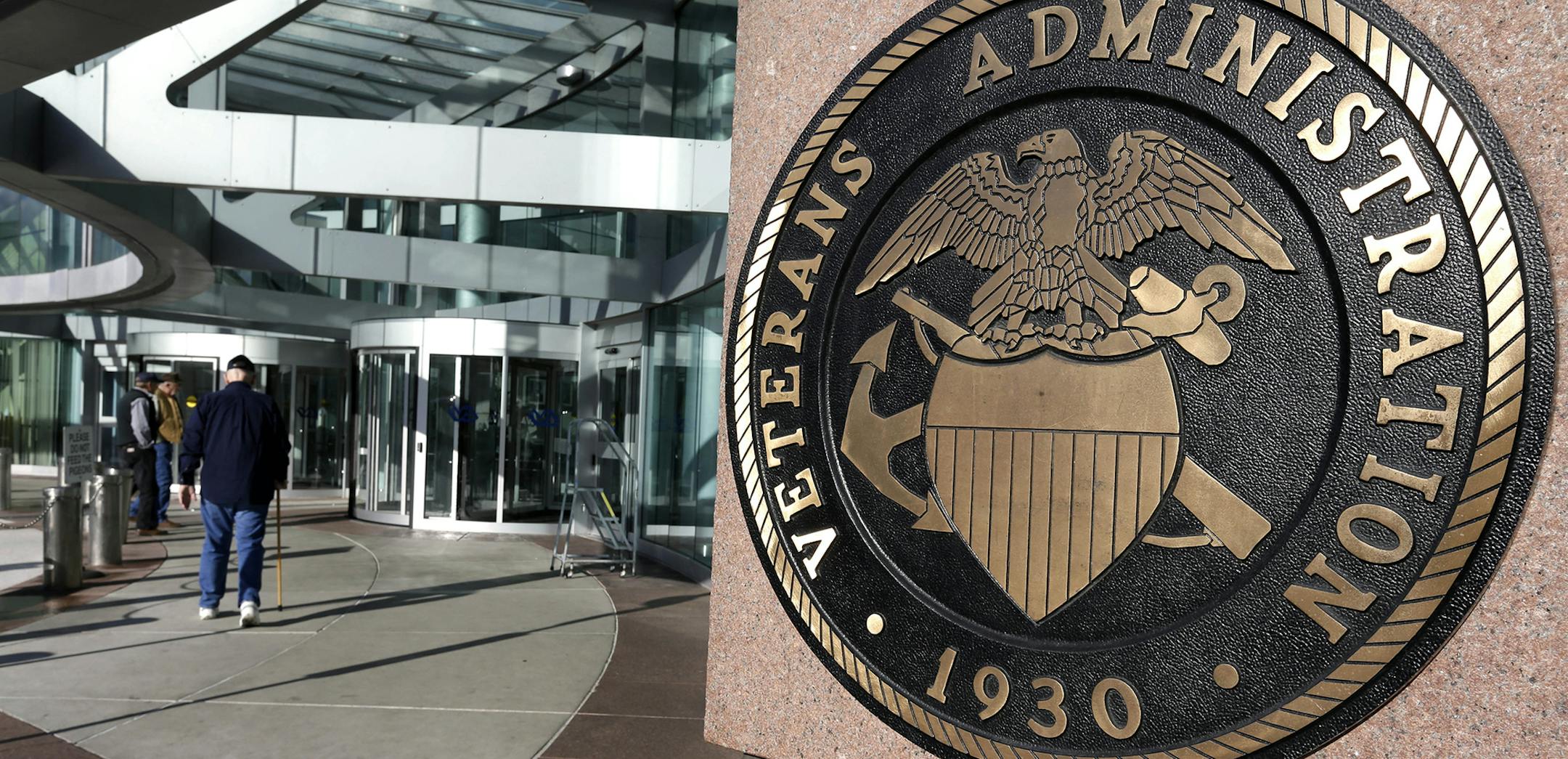
Thankfully, the Department of Veterans Affairs (VA) medical system has taken steps to reflect this real-world method of calculating distances — a technical but important improvement that will allow more veterans in Minnesota and elsewhere to access medical care sooner or closer to home.
The federally run VA system of clinics and hospitals is entrusted with caring for those who have fought for their country. Last year, scandalous wait times for medical appointments resulted in an understandable national uproar. Veterans who need to see a health care provider shouldn't spend weeks or even months on a waiting list.
The VA is in the midst of a management overhaul. But one rapid reform was a smart temporary step. It's called the Veterans Choice program. It allows veterans eligible for the program to access care in facilities outside the VA system. The mileage calculation is a key factor in determining who gets a Veterans Choice card and who doesn't. Those who live 40 miles away from a VA facility are one of the main groups eligible for the program. Those who have been on a waiting list for a certain amount of time are also eligible.
Taking a straight-line approach to calculating distance from a vet's home to a VA facility was a ridiculous way to determine eligibility for the new program. It left too many veterans ineligible for the program even if they had to drive more than 40 miles to a VA facility. That this method was used raises troubling questions about whether it was an under-the-radar way to limit costs for the new program despite high-profile promises from policymakers to do right by veterans.
The VA recently announced that it will use a more realistic mileage approach. According to the office of U.S. Rep. Tim Walz, D-Minn., that may double the number of veterans who can access the program. The move by the embattled VA is both sensible and compassionate. "While further improvements to the law — and the entire VA system — will likely be necessary, by making this common-sense change, Secretary [Robert] McDonald showed that he's listening to the concerns of veterans and putting their care first,'' said Walz, who represents southern Minnesota.
The VA will also need help from providers in Minnesota and elsewhere to make Veterans Choice live up to its potential. Right now, the list of participating providers is far from robust. Leadership is needed to ensure that this program delivers the care the nation's veterans deserve.


