

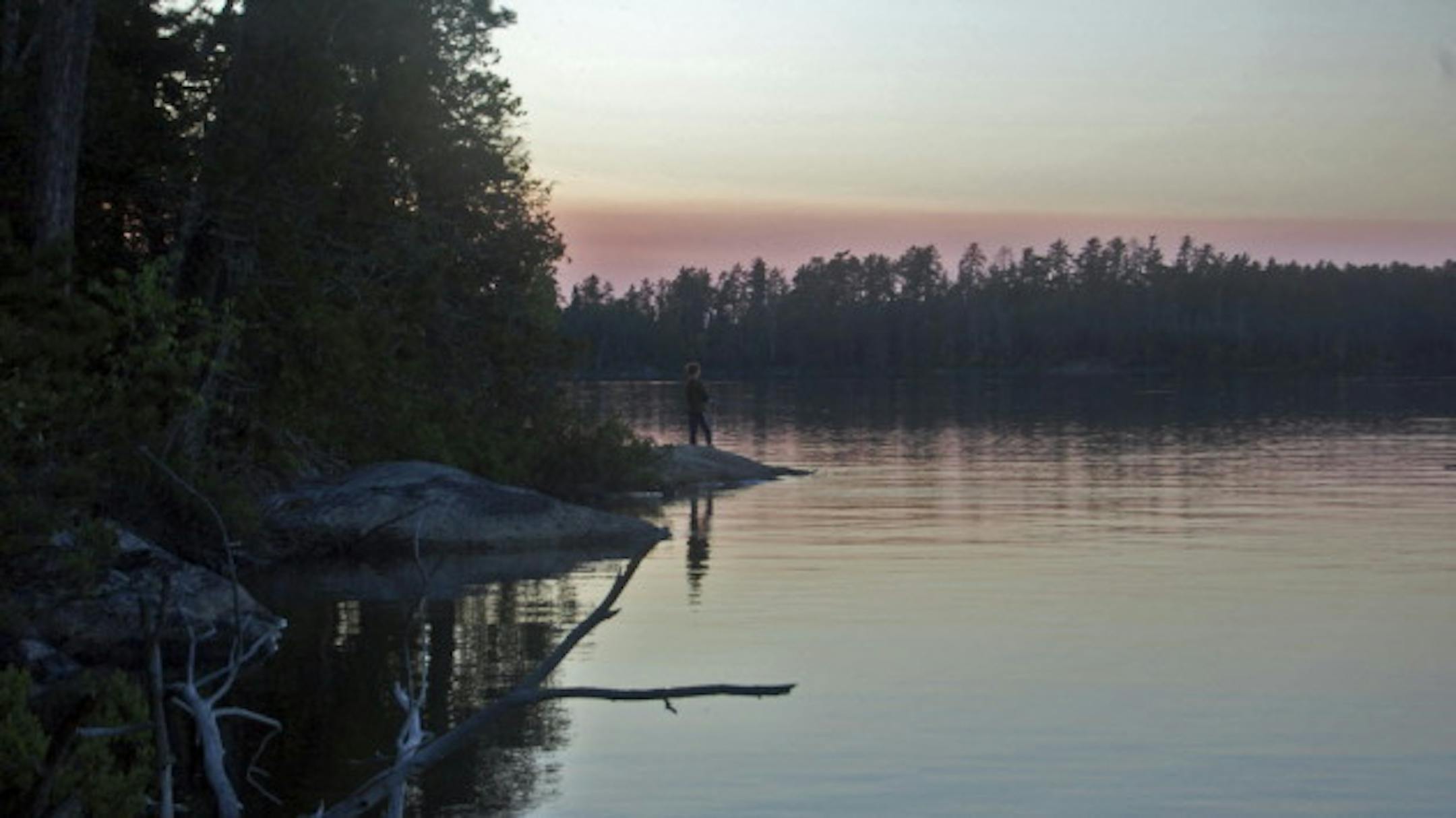
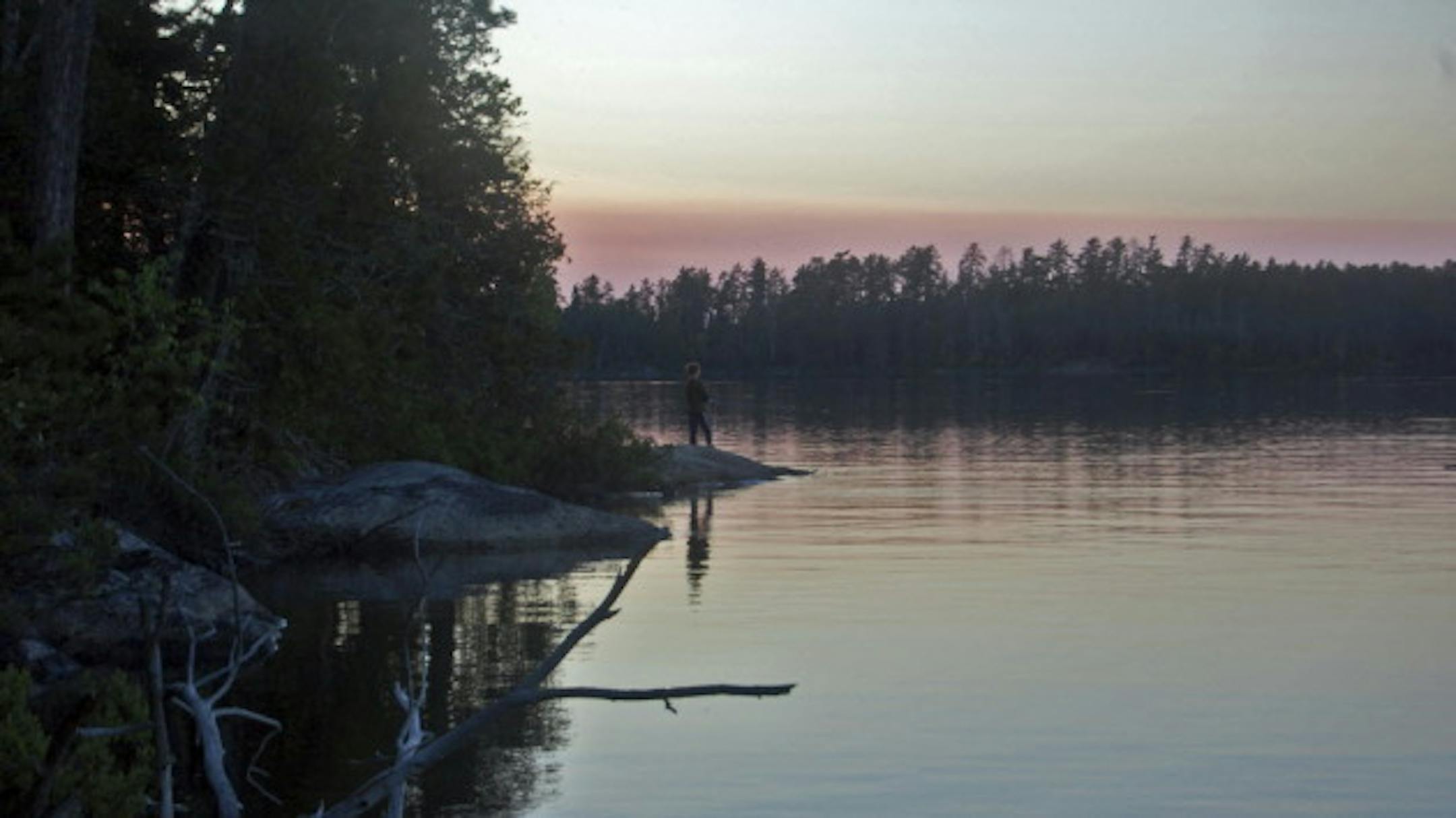
A long-simmering issue over lands that generate money for public schools inside the Boundary Waters Canoe Area had some movement Wednesday, after the U.S. House passed a bill from Chip Cravaack, who represents Northern Minnesota. The bill allows Minnesota to give 86,000 acres of the so-called school trust land inside the federally protected BWCA to the federal government and in return, the feds give Minnesota land controlled by the U.S. Forest Service in the surrounding Superior National Forest. The Sentae isn't likely to take up the bill for months. MPR has the full story. ________________________ The identities of the four people who died when a pickup crashed into a semitrailer Tuesday evening in Pine County have been released. ________________________ The state Agriculture Department is accepting aid applications from farmers flooded in 15 counties. The agency's press release is here. ________________________ And a fun read from the Echo Press in Alexandria on one man's quest—and success this year—to grow a 1,000 pound pumpkin. Linus from the famed Peanuts cartoon can finally say, "I told you so." The Great Pumpkin has arrived - and it's in David Starner's garden. Email the Star Tribune's state team: DatelineMN@startribune.com Follow us on Twitter: @DatelineMN


