By Todd Nelson Special to the Star Tribune
The competition that earned Elk River the title of "Energy City," as highway signs and other markers proudly declare, took place nearly two decades ago, but it has had a lasting impact.
The designation, awarded by the nonprofit Minnesota Environmental Initiative, grew from the premise that solutions to environmental problems need to make economic sense to be sustainable. Elk River was selected from more than 30 communities to show how that can be done.
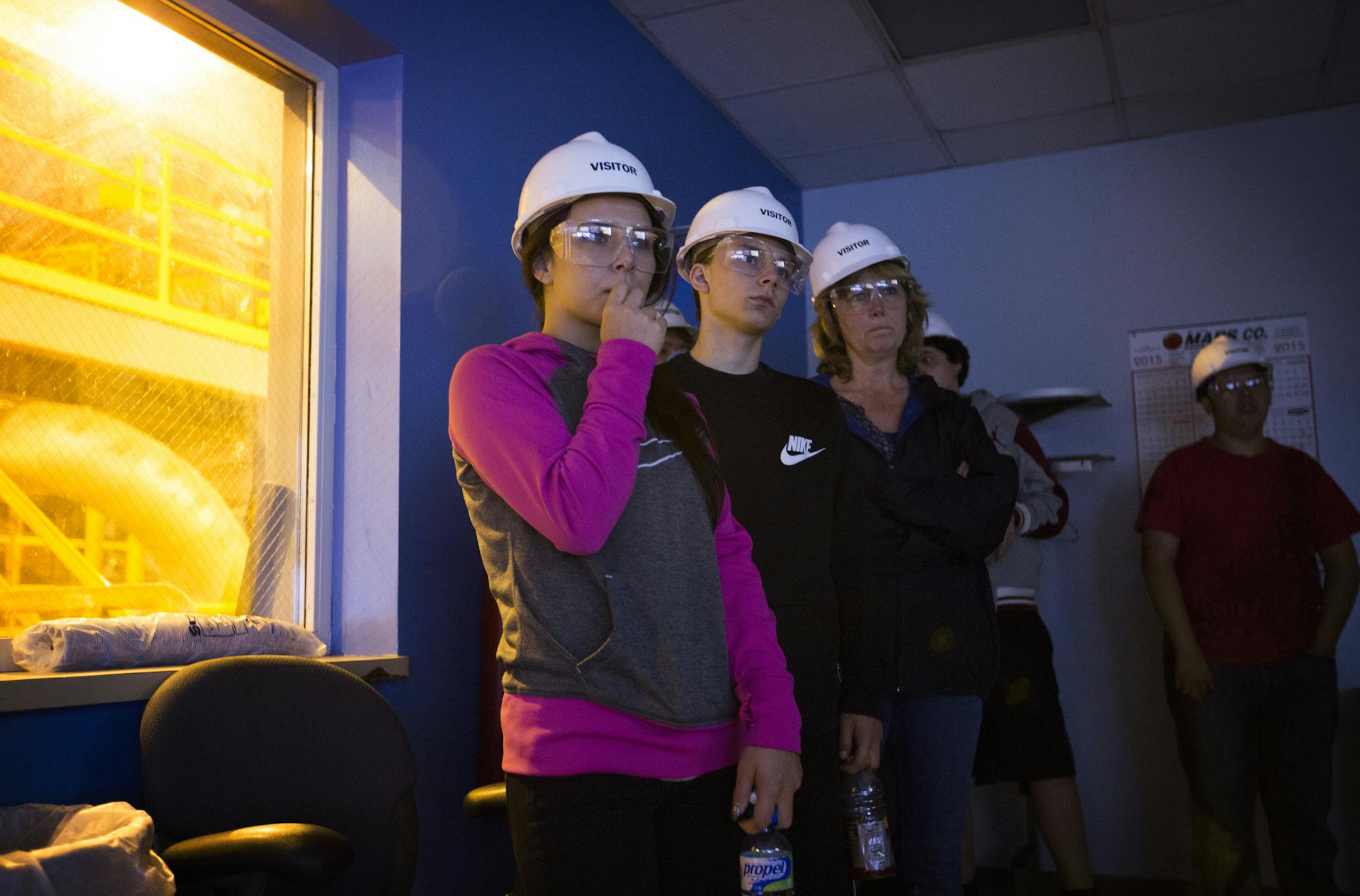
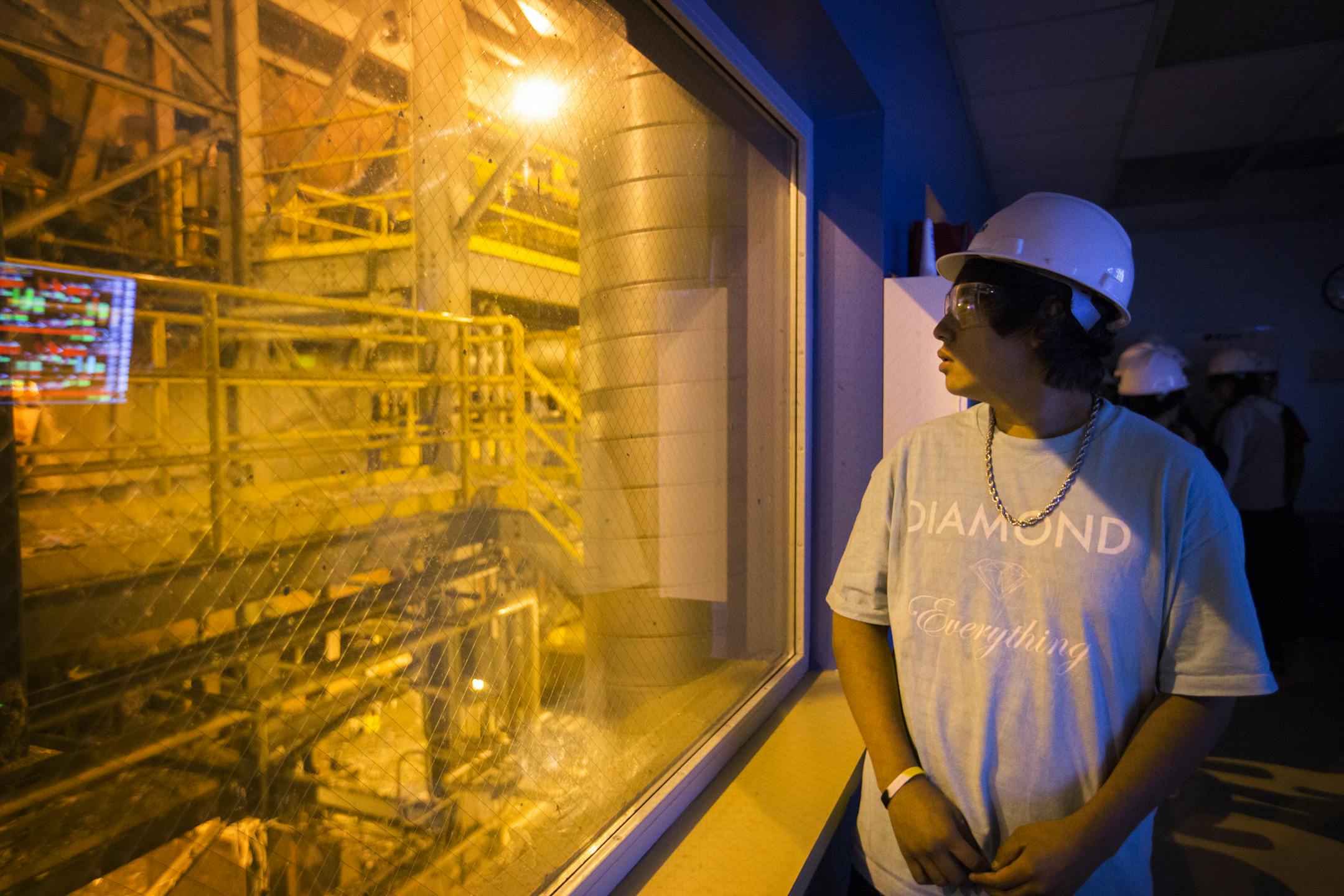
Since then, "Energy City" has been the catalyst for what today is a hub of activities and demonstration projects that draw hundreds of visitors yearly, from schoolchildren to international delegations. Looking ahead, planners want to put an exclamation point on the "Energy City" concept by making Elk River "the most energy responsible city in Minnesota."
Longtime catalyst
Energy has a long history as a driving force in the city that developed where the Elk and Mississippi rivers meet.
The first dam and sawmill went up in 1851, with grain and starch mills following it, said Steve Rohlf, a former city building official who teaches classes on local history. The predecessor of today's Elk River Municipal Utilities harnessed the river to generate electricity a century ago.
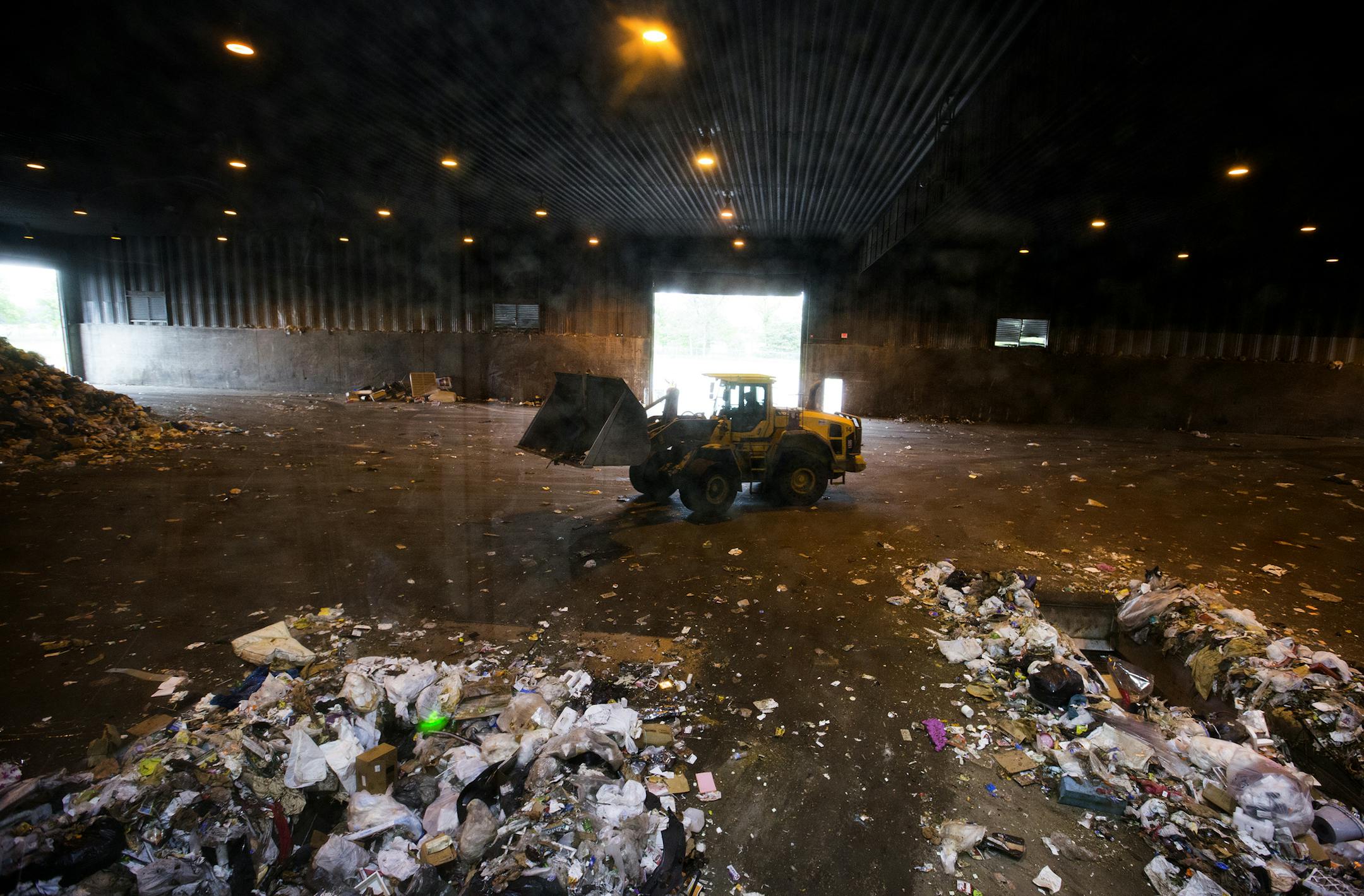
In the 1960s, Elk River was home to the country's first rural nuclear power plant for several years. In 1989, that same Great River Energy facility began operating as a waste-to-energy plant, burning fuel derived from waste and helping Elk River to receive its Energy City designation in 1997.
Tim Steinbeck, a Great River official and member of Elk River's Energy City Commission, said the designation recognized "a long history of a city that welcomes energy-related businesses."